Poly Furniture vs Wood Furniture: Which Is Better for Your Outdoor Space?

By Timbercraft Poly

June 9, 2026 • 6 min Read

Share this post

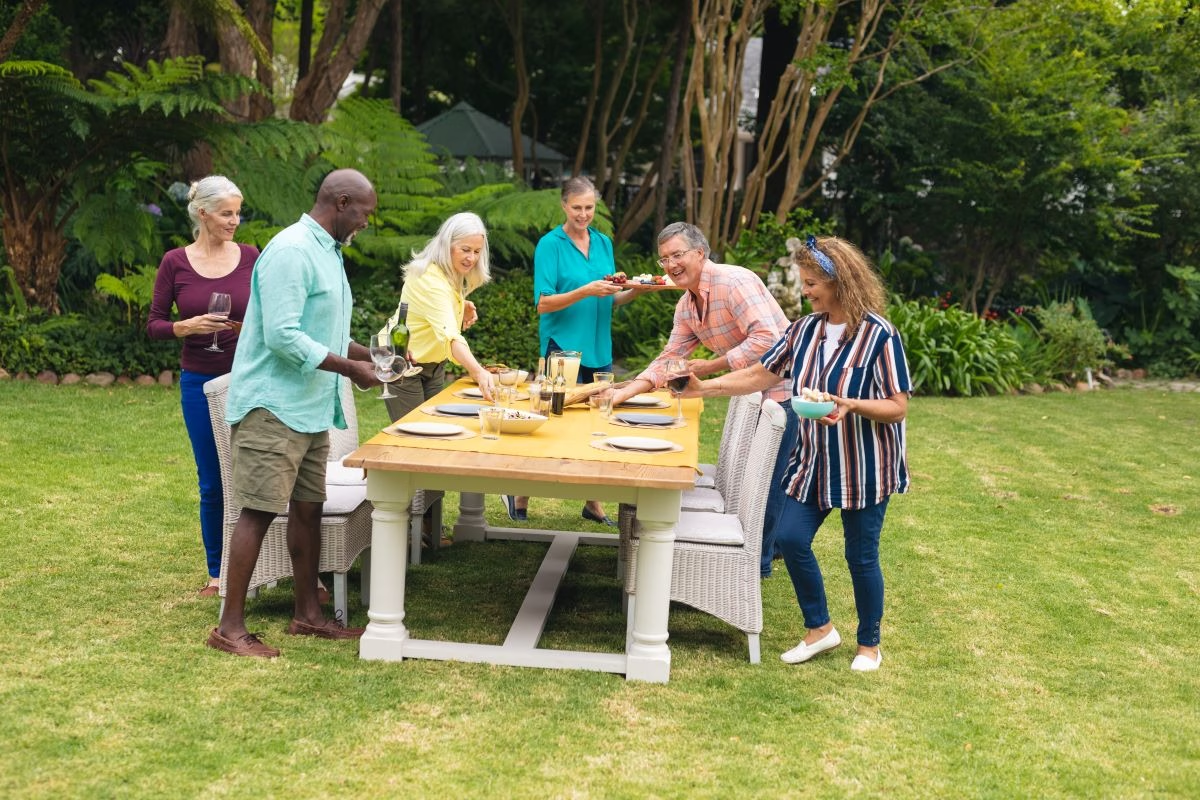
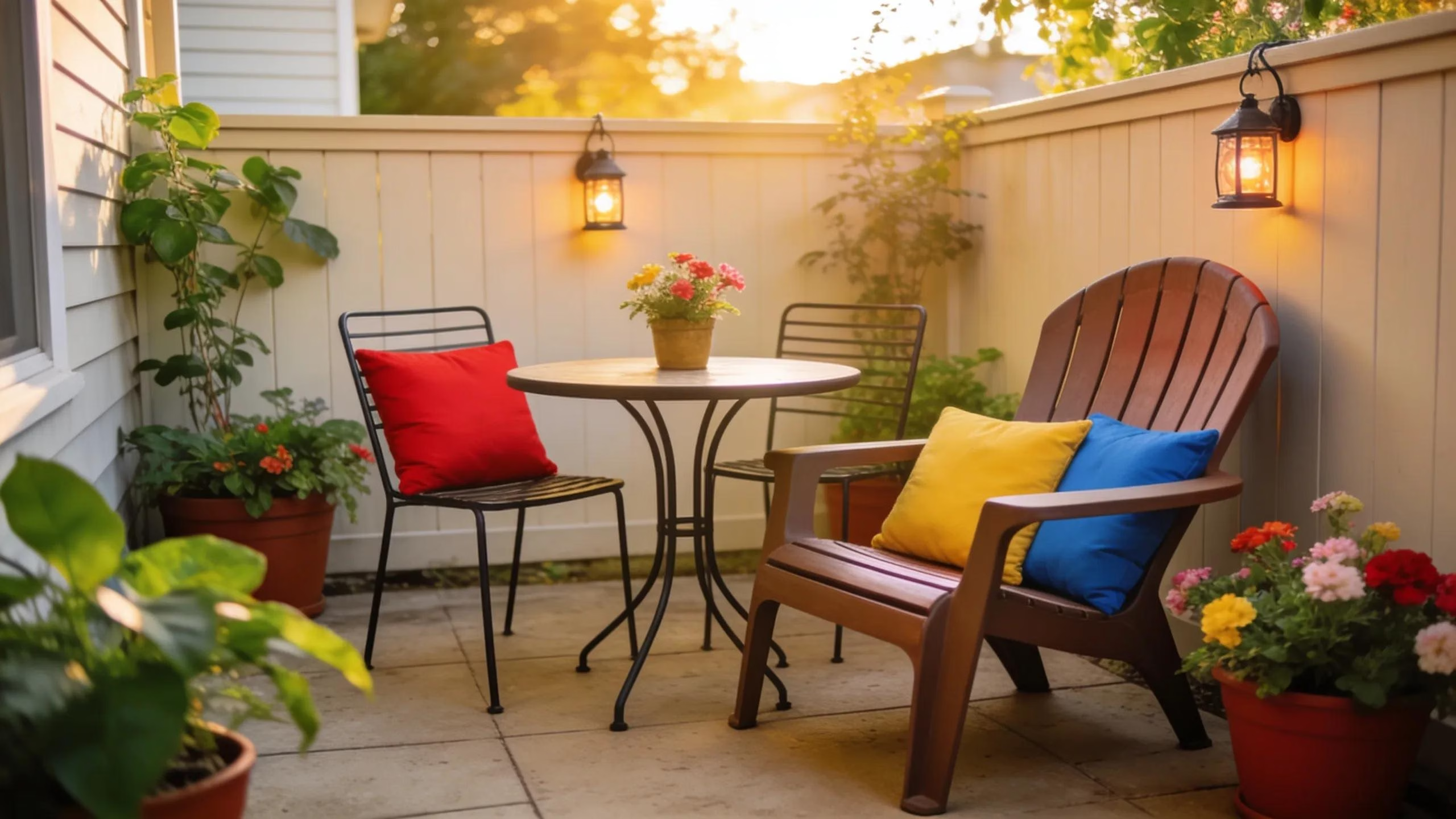
Outdoor living space featuring colorful poly furniture and traditional wooden furniture for aesthetic appeal

Poly Furniture vs Wood Furniture for Outdoor Spaces: Assessing Durability, Maintenance, and Sustainability

Selecting furniture for an outdoor living area requires a measured assessment of both aesthetic and functional attributes. Poly and wood are common material options, each presenting distinct performance characteristics. This document compares their advantages and disadvantages with respect to durability, maintenance and sustainability, with particular attention to the effects of weather, wear and upkeep. The analysis contrasts poly furniture—manufactured from recycled HDPE—with traditional wooden furniture to determine which material better meets homeowners’ operational requirements.

Key Takeaways

  • Poly furniture made from recycled HDPE offers superior durability compared to traditional wood furniture for outdoor use.
  • Wood furniture is prone to warping, cracking, and insect damage, reducing its lifespan in outdoor environments.
  • Poly furniture requires minimal maintenance, needing only soap and water cleaning to retain its appearance.
  • Wood furniture demands regular sanding, staining, sealing, and inspections to prevent deterioration and extend longevity.
  • Using recycled materials in poly furniture supports sustainability by reducing plastic waste and minimizing deforestation impacts.
  • Amish craftsmanship enhances poly furniture quality, ensuring durability and aesthetic appeal through meticulous handmade techniques.
  • Poly Adirondack chairs, gliders, and porch swings combine weather resistance with vibrant color retention and low upkeep.
  • Despite higher initial costs, poly furniture‘s durability and low maintenance reduce total ownership expenses over time.
  • Homeowners report greater satisfaction with poly furniture due to its longevity and reduced maintenance requirements.

Durability:

Durability is a primary factor in outdoor furniture selection, as it determines how items withstand environmental exposure and routine use. Poly furniture demonstrates strong durability because HDPE resists weather-related degradation. Conversely, wood furniture commonly exhibits vulnerability to warping, cracking and biological decay when exposed to outdoor conditions.

What Are the Durability Differences Between Poly and Wood Outdoor Furniture?

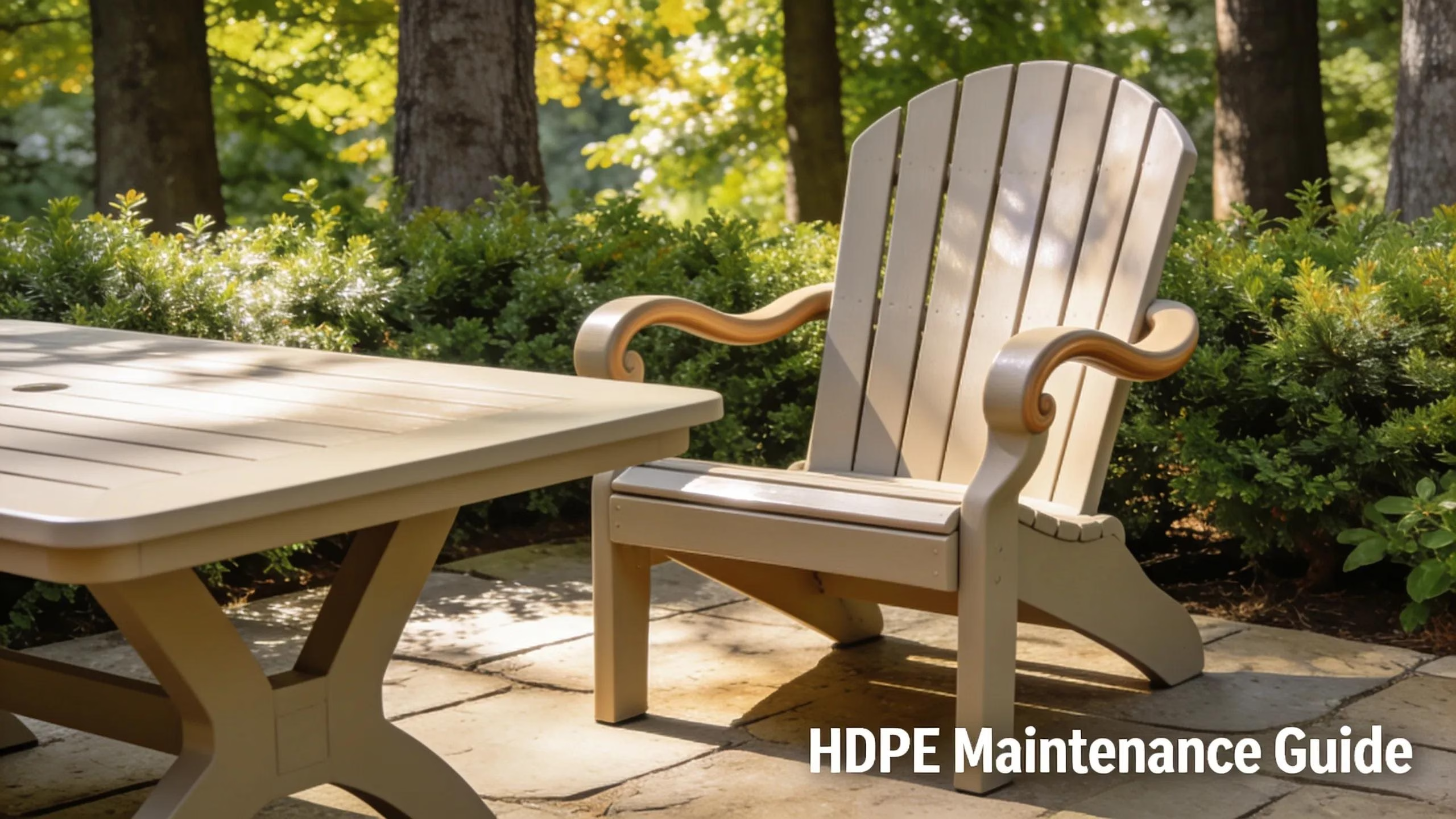
Comparative image showing a durable poly outdoor chair versus a weathered wooden chair to highlight differences in durability

Poly furniture generally provides a longer service life than wood. With appropriate care, poly pieces such as dining sets and Adirondack chairs can remain serviceable for 20 years or more, whereas wood alternatives commonly perform within a 5–15 year range. These differences arise from material properties—moisture tolerance, insect resistance and dimensional stability. For durable outdoor seating options, explore the range of poly chairs designed for longevity.

How Does HDPE Material Enhance Weather Resistance in Poly Furniture?

HDPE enhances weather resistance through inherent moisture repellence and UV stabilisation, which prevent water absorption and reduce colour degradation. The material’s dimensional stability under temperature variation also limits warping and fracturing, supporting functional and visual performance across diverse climates.

What Are Common Durability Challenges Faced by Wood Outdoor Furniture?

Wood outdoor furniture faces several durability challenges that shorten service life. Temperature extremes can induce cracking or splitting; moisture exposure promotes mould and rot; and insect activity, including termite damage, can impair structural integrity. These risks necessitate regular inspection and remedial action.

Maintenance:

Maintenance obligations materially affect the long-term value of outdoor furniture. Poly furniture imposes substantially lower maintenance requirements than wood, which typically demands recurrent interventions to prevent deterioration.

How Do Maintenance Requirements Compare Between Poly and Wood Outdoor Furniture?

Maintenance for poly furniture is limited and generally confined to periodic cleaning with soap and water. Wood furniture often requires annual sanding, staining or sealing to maintain appearance and protect against moisture and decay. This distinction yields measurable time and cost savings for owners of poly furniture.

What Are the Low Maintenance Benefits of Poly Furniture?

The principal maintenance benefit of poly furniture is reduced time and labour expenditure. Its ease of care allows property owners to allocate less effort to upkeep and more to use of the outdoor space, while preserving the furniture’s condition with minimal intervention.

Which Wood Furniture Upkeep Practices Are Essential for Longevity?

Essential upkeep for wood furniture includes routine cleaning to remove soiling, application of protective coatings to resist moisture, and inspection for wear or insect activity. Appropriate off-season storage or sheltering during severe weather further mitigates environmental damage, but these practices require consistent attention from the owner.

Sustainability:

Purchasing decisions increasingly consider sustainability. The following section evaluates the environmental implications of selecting poly versus wood furniture.

What Is the Environmental Impact of Choosing Poly Versus Wood Outdoor Furniture?

Illustration showing environmental impacts of poly furniture made from recycled materials versus traditional wood furniture linked to deforestation

The environmental impacts of poly and wood differ by material source and lifecycle. Poly furniture manufactured from recycled HDPE diverts post-consumer plastic from waste streams and supports recycling systems. By contrast, wood furniture depends on timber harvesting, which can contribute to deforestation where not sourced sustainably. For sustainable outdoor options, review the offerings at Timbercraft Poly Furniture.

How Does Sustainable HDPE in Poly Furniture Support Eco-Friendly Choices?

Use of recycled HDPE reduces reliance on virgin plastic and supports a circular material flow by repurposing post-consumer waste. The extended service life of poly furniture also decreases replacement frequency, lowering cumulative resource consumption over time.

How Does Amish Craftsmanship Influence Quality in Poly Outdoor Furniture?

Amish craftsmanship contributes to product quality through disciplined attention to construction details and finishing. These practices produce pieces that combine functional robustness with considered aesthetics, thereby enhancing service life and supporting the sustainability profile of each item. Explore the meticulous craftsmanship behind our poly furniture collections.

What Distinguishes Amish Techniques in Poly Furniture Production?

Amish production methods are characterised by handcrafting, precise quality control and options for customisation. This approach yields durable assemblies and supports local craftsmanship, contributing to community economic sustainability.

How Does Craftsmanship Affect the Longevity and Value of Outdoor Furniture?

Quality craftsmanship directly influences longevity and retained value. Well-executed construction techniques improve resistance to environmental stressors, sustain functional performance and preserve resale value, thereby delivering superior long-term return on investment.

Which Poly and Wood Furniture Types Are Best Suited for Outdoor Use?

Determining the most suitable furniture types for outdoor application requires consideration of both functional requirements and aesthetic objectives.

What Are the Characteristics of Poly Adirondack Chairs, Gliders, and Porch Swings?

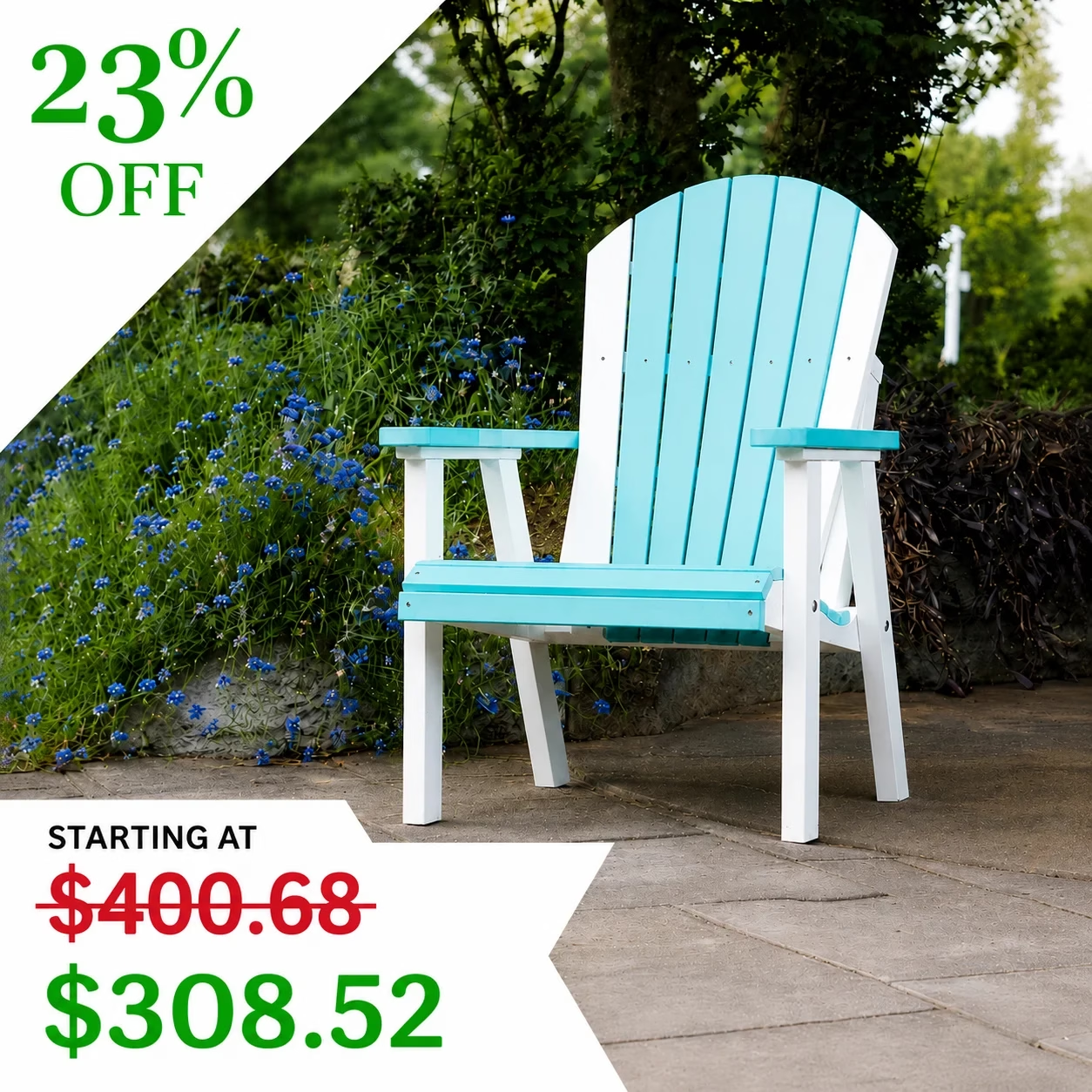
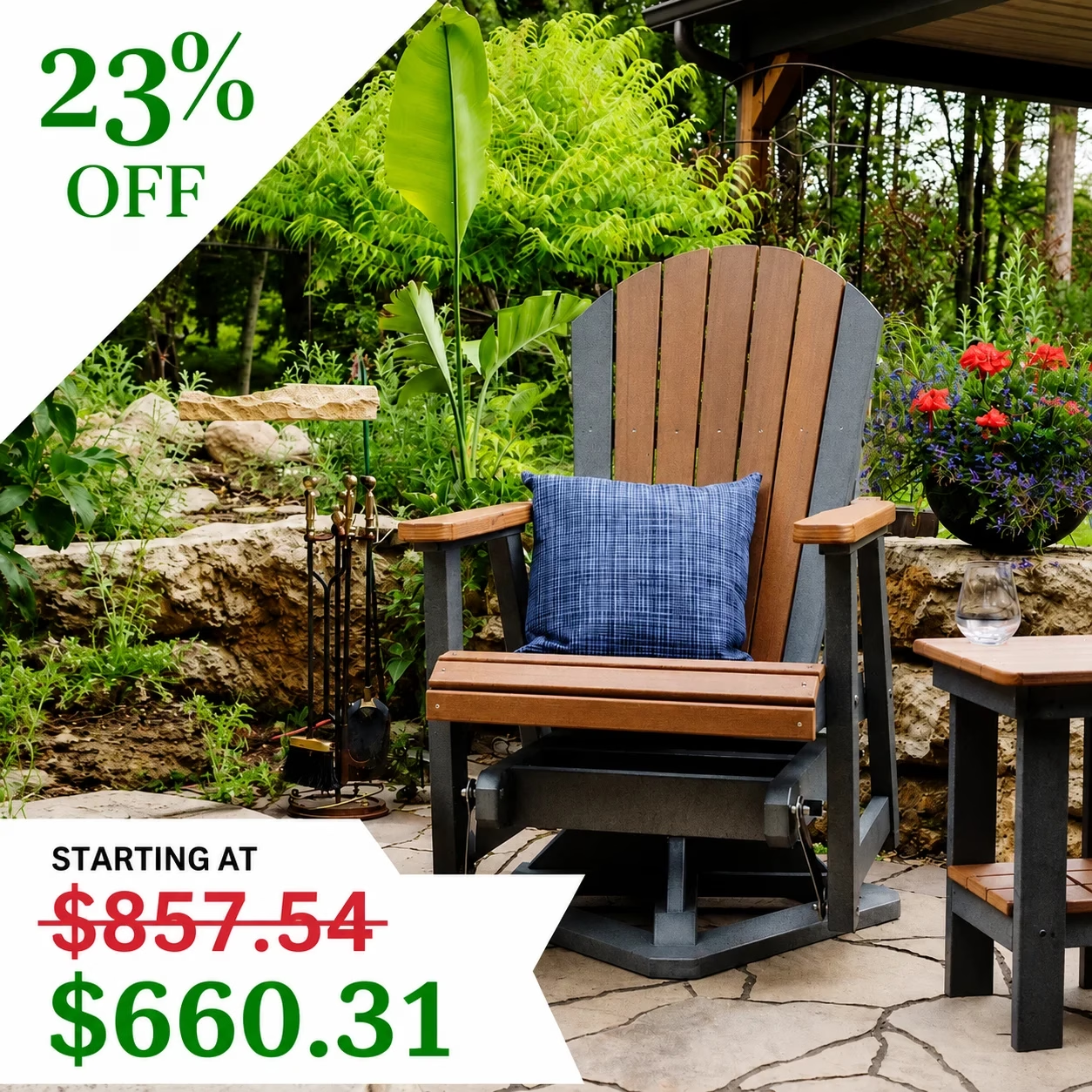
Poly Adirondack chairs are characterised by weather resistance, sustained colour retention and minimal maintenance needs, making them appropriate for patios and gardens. Similarly, poly gliders and porch swings provide comfort and durability without extensive upkeep.

How Do Wood Furniture Designs Compare to Poly in Outdoor Settings?

Wood furniture offers a traditional aesthetic that enhances outdoor character but typically requires more maintenance than poly. The decision therefore involves weighing the desired visual warmth against the operational burden of upkeep.

What Are the Long-Term Value and Practical Considerations When Choosing Between Poly and Wood Furniture?

Evaluating outdoor furniture options should include an assessment of long-term value encompassing maintenance, durability and aesthetic retention.

How Do Cost and Maintenance Influence the Total Cost of Ownership?

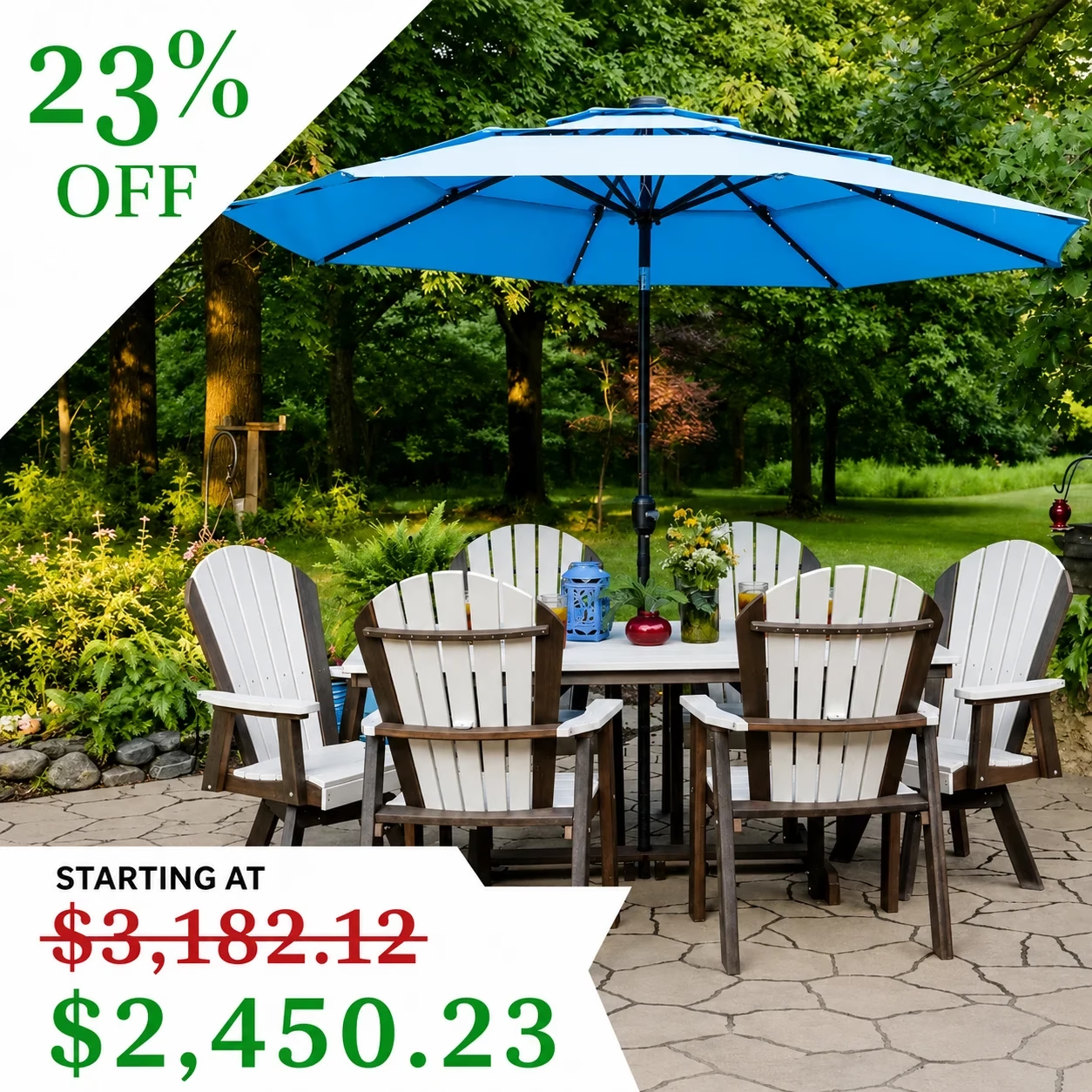
Upfront cost and ongoing maintenance both affect total cost of ownership. Poly furniture often carries a higher initial price yet its durability and low maintenance commonly offset that investment over time. Wood may be less expensive initially but can incur higher cumulative costs through maintenance and earlier replacement. Consider the value of durable poly table sets when assessing long-term economics.

What Are Real-World Homeowner Experiences With Poly and Wood Outdoor Furniture?

Homeowner feedback frequently highlights reduced maintenance and extended service life as primary advantages of poly furniture. Many report increased satisfaction due to lower upkeep demands, whereas owners of wood furniture often note ongoing maintenance obligations as a recurring concern.

Frequently Asked Questions

How Can I Extend the Lifespan of Wood Outdoor Furniture?

Extending the lifespan of wood furniture requires routine maintenance: clean surfaces to remove debris, apply sealants or water-repellent treatments to reduce moisture ingress, sand and refinish worn areas, and store or shelter items during severe weather. Regular inspections for damage or insect activity allow prompt remediation and help preserve structural integrity.

What Factors Should I Consider When Choosing Between Poly and Wood Furniture?

Key factors include aesthetic preference, budget, and willingness to perform maintenance. Poly offers greater durability and lower upkeep; wood delivers a classic appearance but requires more intervention. Also evaluate local climate and usage patterns, as poly generally performs better under extreme weather and heavy use.

Can Poly Furniture Stand Up to Harsh Weather Conditions?

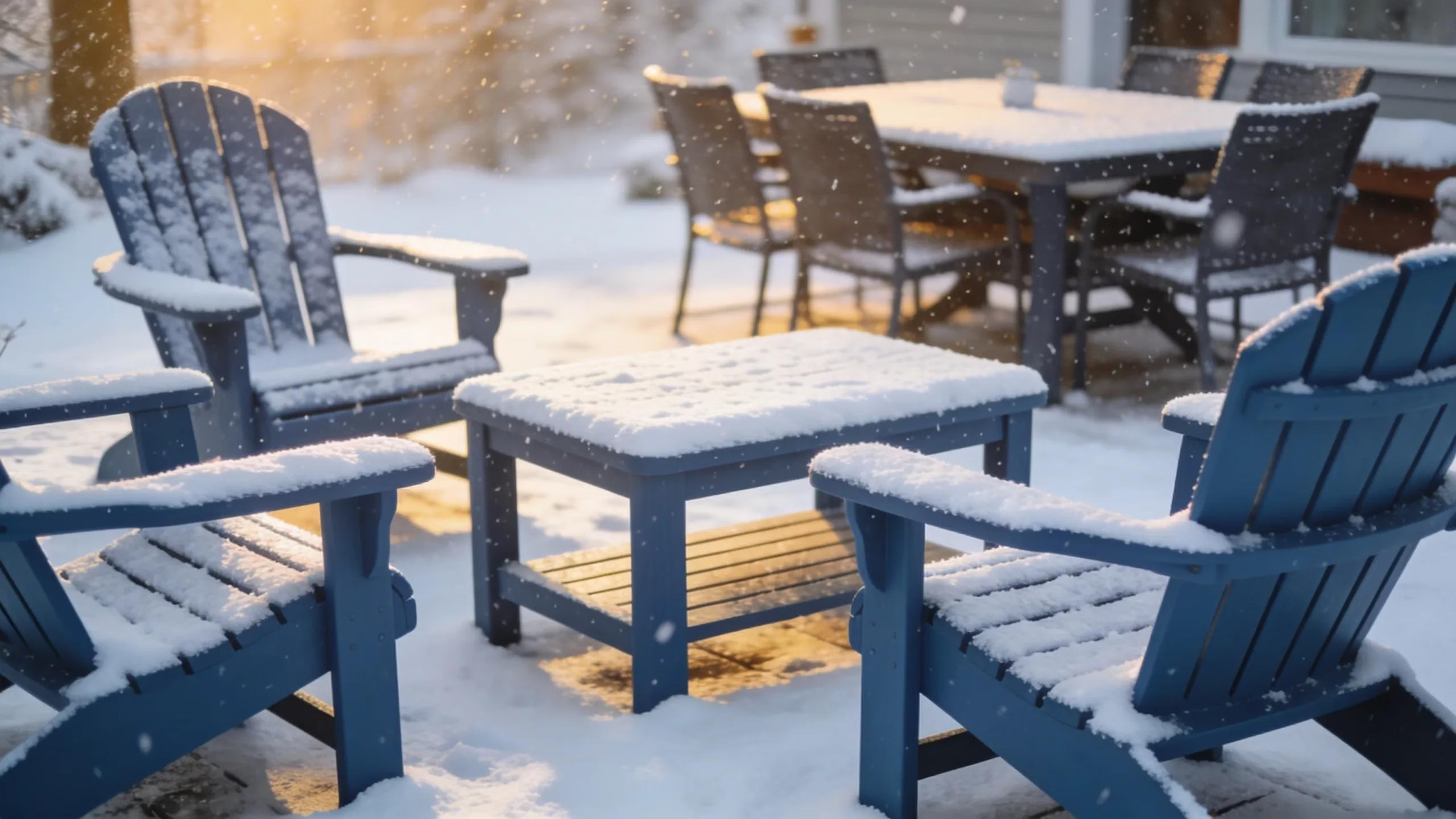
Poly furniture is designed to tolerate harsh weather. Constructed from high-density polyethylene, it resists moisture and UV exposure, reducing risks of warping, cracking and fading. Its material stability under temperature variation supports reliable year-round performance.

Is There a Distinct Price Difference Between Poly and Wood Furniture?

Poly furniture typically carries a higher initial purchase price than wood. However, lower maintenance and longer service life often make poly more economical over the long term. Wood’s lower upfront cost can be offset by periodic refinishing and earlier replacement.

How Does the Aesthetic Appeal of Poly Compare to Wood?

Poly offers a contemporary aesthetic with consistent colour options and finishes, while wood provides natural grain and traditional warmth. Advanced poly finishes can emulate wood appearance, but some consumers will continue to prefer authentic timber for its unique character.

What Are the Recycling Options for Old Poly Furniture?

Old poly furniture composed of HDPE can be recycled; many municipal recycling centres accept HDPE items or similar plastics for processing into new products. Check local waste management guidelines for specific instructions. Some manufacturers also operate take-back or repurposing programmes to support sustainable end-of-life handling.

Conclusion

Selecting appropriate outdoor furniture is a decision that balances appearance, maintenance obligations and lifecycle impact. Poly furniture delivers notable durability, limited maintenance requirements and sustainability advantages, making it a practical option for many homeowners. Investing in quality poly products can reduce ongoing upkeep while providing a durable, serviceable outdoor environment. Discover our diverse range of premium poly products today for a lasting and low-maintenance outdoor experience.

Related Posts

View All

Outdoor living space featuring colorful poly furniture and traditional wooden furniture for aesthetic appeal

Poly Furniture

6 min Read

Poly Furniture vs Wood Furniture: Which Is Better for Your Outdoor Space?

Transform your outdoor space with the right furniture. Learn if

Learn More
Woman relaxing in zero-maintenance poly furniture.

Poly Furniture

6 min Read

Why Zero Maintenance Poly Furniture Will Dominate Luxury Backyards by 2030

Homeowners increasingly demand outdoor spaces that are both stylish and

Learn More
Hands counting money on wooden table

Poly Furniture

6 min Read

The Hidden Math Behind Your Wood Furniture

Durability must guide the selection of outdoor furniture. Materials differ

Learn More