0
237
What Is Poly Furniture and Why Is It More Durable Than Wood?
By
June 26, 2026
Share:
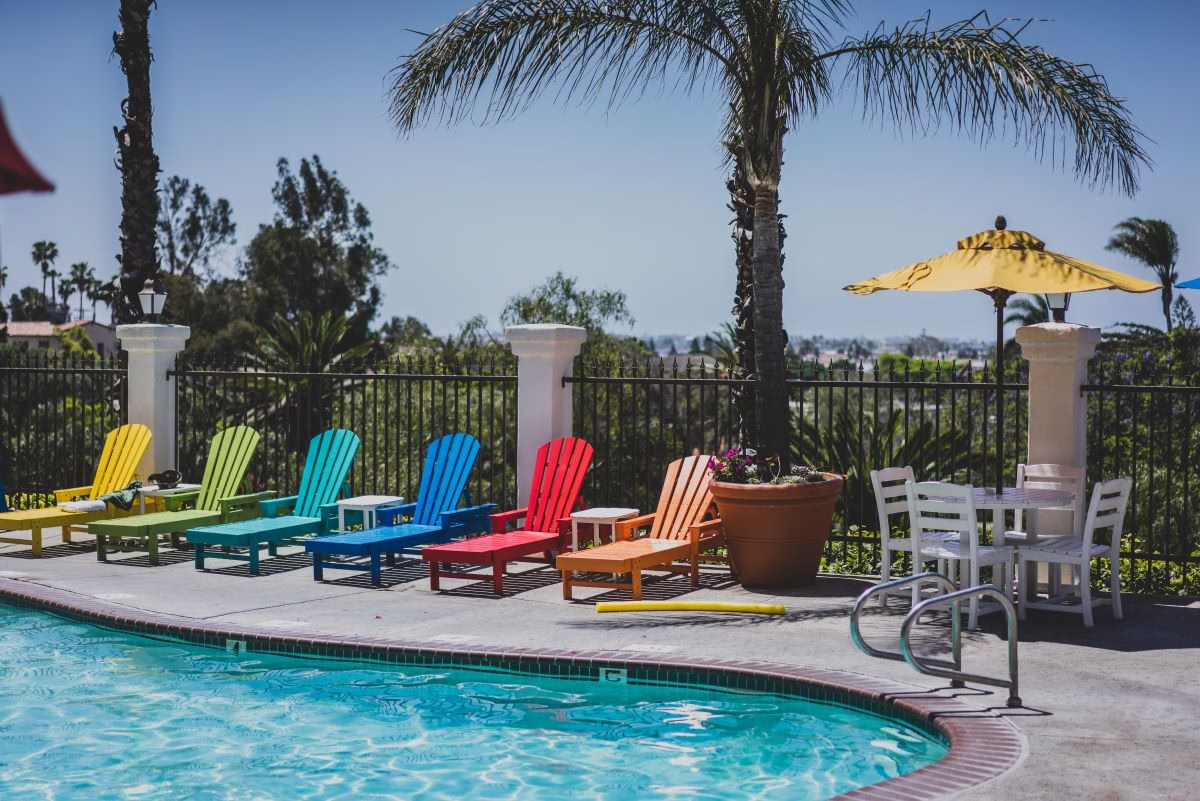
Poly furniture is outdoor furniture made from high-density polyethylene, or HDPE, a dense recycled plastic lumber engineered to withstand sun, rain, and temperature extremes without rotting, cracking, or fading. It’s more durable than wood because it doesn’t absorb moisture, the root cause of nearly every failure point in traditional wood furniture, from warping to insect damage to structural rot. Where wood furniture typically needs years of ongoing upkeep and still shows wear within a decade, quality poly furniture is built to last 20 to 30 years or more with almost no maintenance at all.
What Poly Furniture Actually Is
“Poly furniture” refers to outdoor furniture built from HDPE lumber, most commonly manufactured from recycled plastic sources like milk jugs and detergent bottles. The recycled plastic is melted down, colored throughout the material rather than just on the surface, and formed into dense, lumber-style boards that can be cut, routed, and joined much like traditional wood.
This last part matters more than it might seem. Because the boards behave like lumber structurally, furniture makers can use the same joinery techniques long associated with quality wood furniture, mortise-and-tenon joints, routed edges, reinforced stress points, while building with a material that doesn’t share wood’s vulnerabilities. The result is furniture that looks and feels like traditional outdoor furniture in terms of shape and craftsmanship, but performs fundamentally differently once it’s actually outside facing weather.
Why Poly Furniture Outlasts Wood
Wood furniture’s biggest weakness is moisture. Rain and humidity soak into the wood grain, and that absorbed moisture is what causes the swelling, warping, and eventual cracking at joints that shortens the lifespan of most outdoor wood furniture. Add insects, which are drawn to untreated or under-treated wood, and mold, which thrives wherever moisture sits trapped in a material, and it’s clear why most wood furniture needs a maintenance routine just to survive a normal outdoor life.
HDPE doesn’t have this vulnerability at a material level. It doesn’t absorb water, so there’s nothing to swell, nothing for insects to burrow into, and no trapped moisture for mold to grow on. That single property removes most of the failure points that limit wood furniture’s lifespan.
UV resistance is the second major factor. Wood furniture that’s painted or stained needs that finish to protect it from sun damage, and once the finish degrades, so does the wood underneath. Poly furniture’s color is mixed through the entire board during manufacturing, not applied as a surface coating, so there’s no finish layer to wear off in the first place. Scratches don’t reveal a different color underneath, and years of direct sun exposure don’t cause the fading or chalking that shows up on painted wood.
Temperature extremes round out the comparison. Wood expands and contracts with moisture and temperature changes, and repeating that cycle through freeze-thaw winters is what eventually splits boards and loosens joints. Since poly doesn’t hold moisture inside the material, there’s nothing to freeze and expand, which means it holds up through winter conditions that gradually break down wood furniture over the years.
How Amish Craftsmanship Factors Into Durability
Material alone doesn’t guarantee good furniture. Construction quality determines whether that material’s advantages actually translate into a long-lasting finished piece. Amish craftsmen bring generations of traditional woodworking joinery techniques to poly lumber, applying the same precision and attention to structural detail they’ve long used on wood furniture, but now working with a material that won’t degrade the way wood does over time.
This combination matters because it addresses both halves of the durability equation. The material resists the environmental damage that shortens wood furniture’s life, and the construction technique ensures the furniture holds its structural integrity for as long as the material itself lasts, rather than the joints failing before the material does. Furniture built this way is meant to be a long-term purchase, not something replaced every few seasons.
Common Misconceptions About Poly Furniture
“Poly furniture looks cheap or plastic.” This misconception usually traces back to older, simpler plastic patio furniture from decades ago, thin, molded chairs with a single uniform color and no real design detail. Modern poly furniture, particularly Amish-built pieces, looks nothing like that. It comes in a wide range of colors, features real joinery and design detail, and is often difficult to distinguish from painted wood furniture at a glance, aside from performing far better outdoors.
“It’s the same as regular plastic furniture.” Standard plastic outdoor furniture is typically injection-molded from lighter-weight plastic that isn’t engineered for long-term UV or structural durability, which is why it often becomes brittle and cracks within a few years. HDPE poly lumber is a different category of material entirely, dense, UV-stabilized, and built specifically to function as structural lumber rather than a thin molded shell.
“Since it’s plastic, it must be bad for the environment.” Most poly furniture is made from recycled HDPE, meaning it diverts existing plastic waste from landfills rather than consuming new raw materials. Combined with a lifespan that’s often two to three times longer than wood, poly furniture frequently compares favorably on total environmental impact, not just at the point of manufacturing.
“Poly furniture must be more expensive without a real benefit.” Poly furniture often does cost more upfront than basic wood furniture, but the comparison changes significantly once maintenance and replacement costs are factored in. For the full financial breakdown, see the hidden math behind wood furniture costs.
Where to Go From Here
This piece covers what poly furniture is and why it holds up better than wood at a material and construction level. If you want a full head-to-head comparison instead, our poly furniture vs. wood furniture breakdown walks through durability, maintenance, and cost side by side, and our poly furniture vs. teak comparison covers that specific premium-material matchup. For a broader look at styles and materials before you buy, the complete guide to choosing poly outdoor furniture is the right next stop.
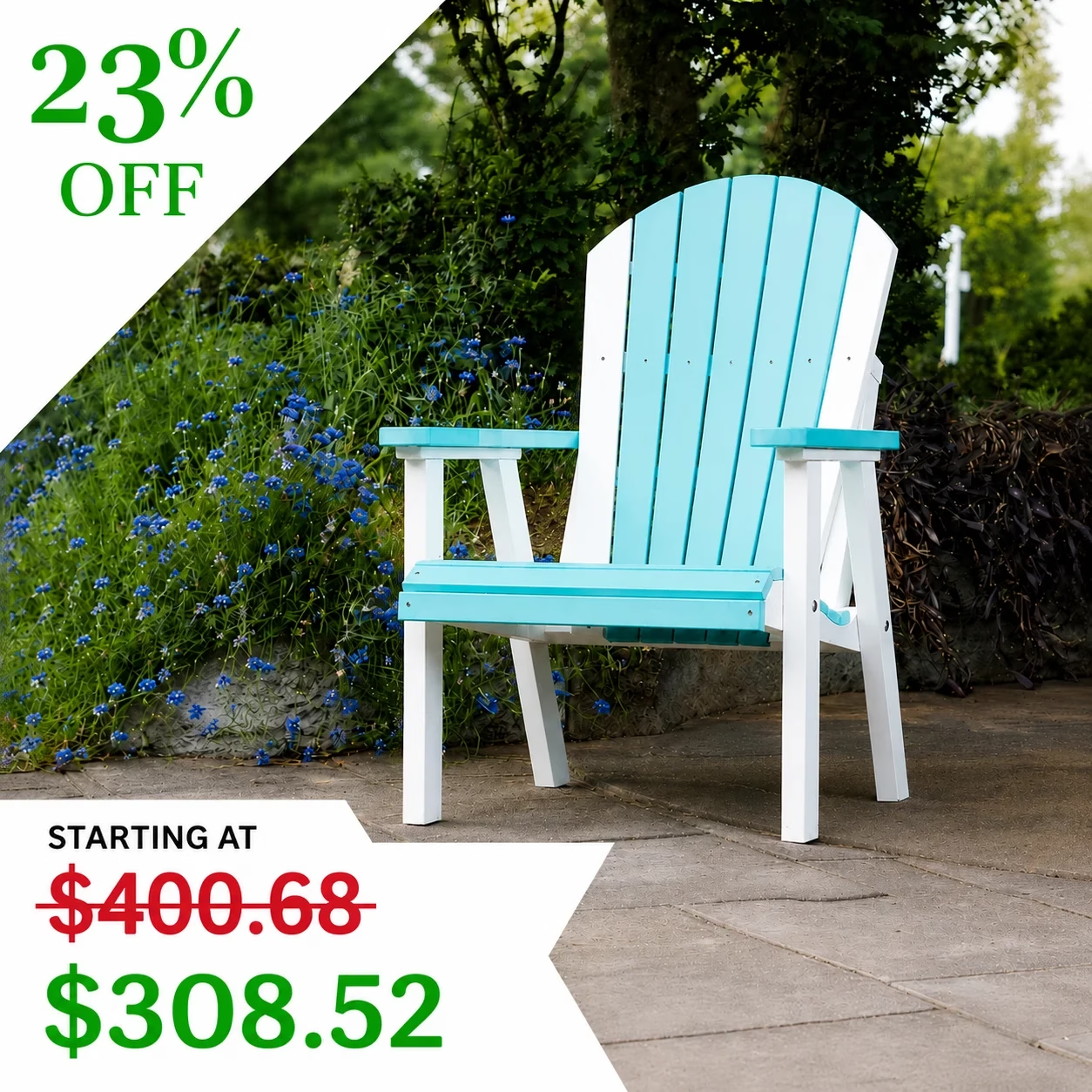
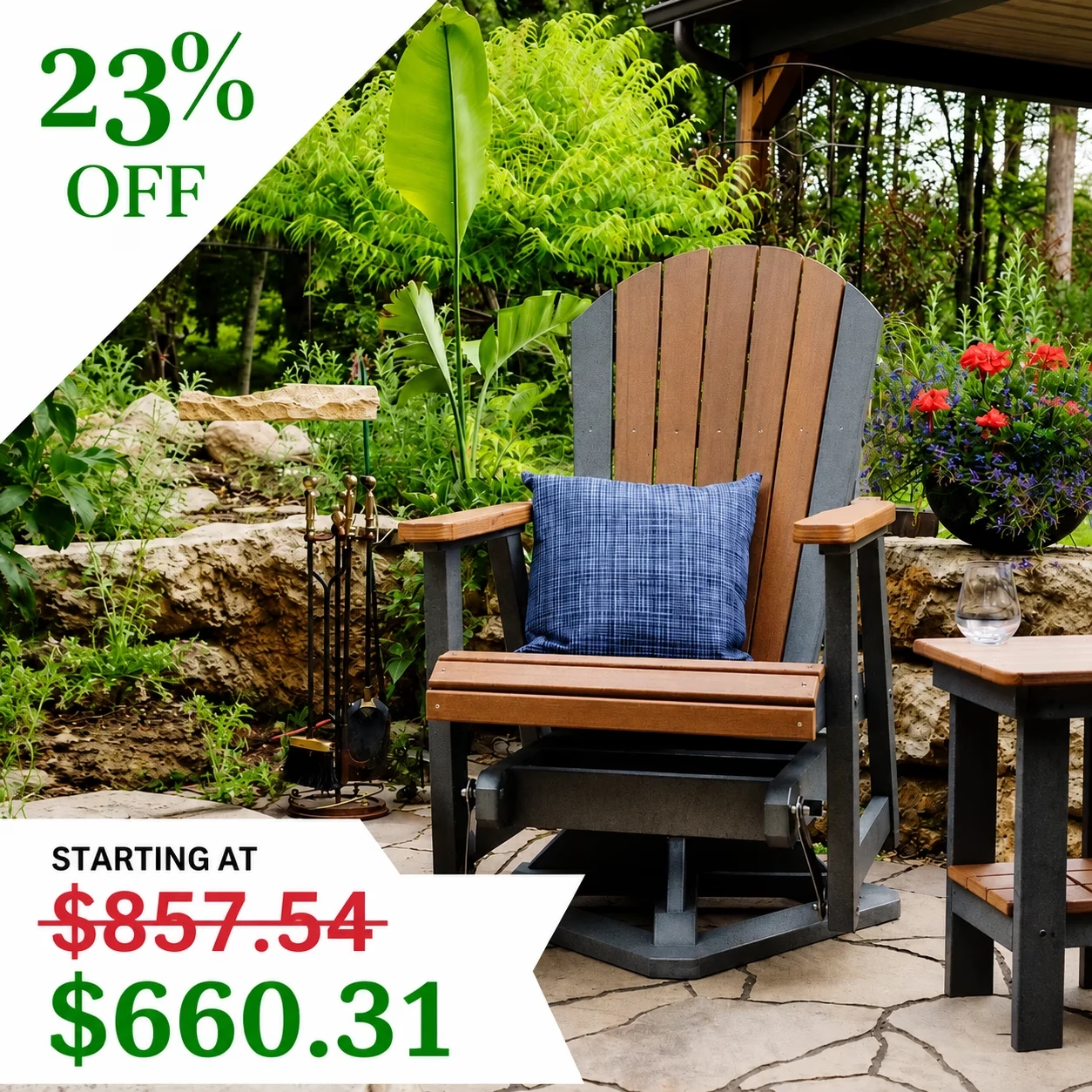
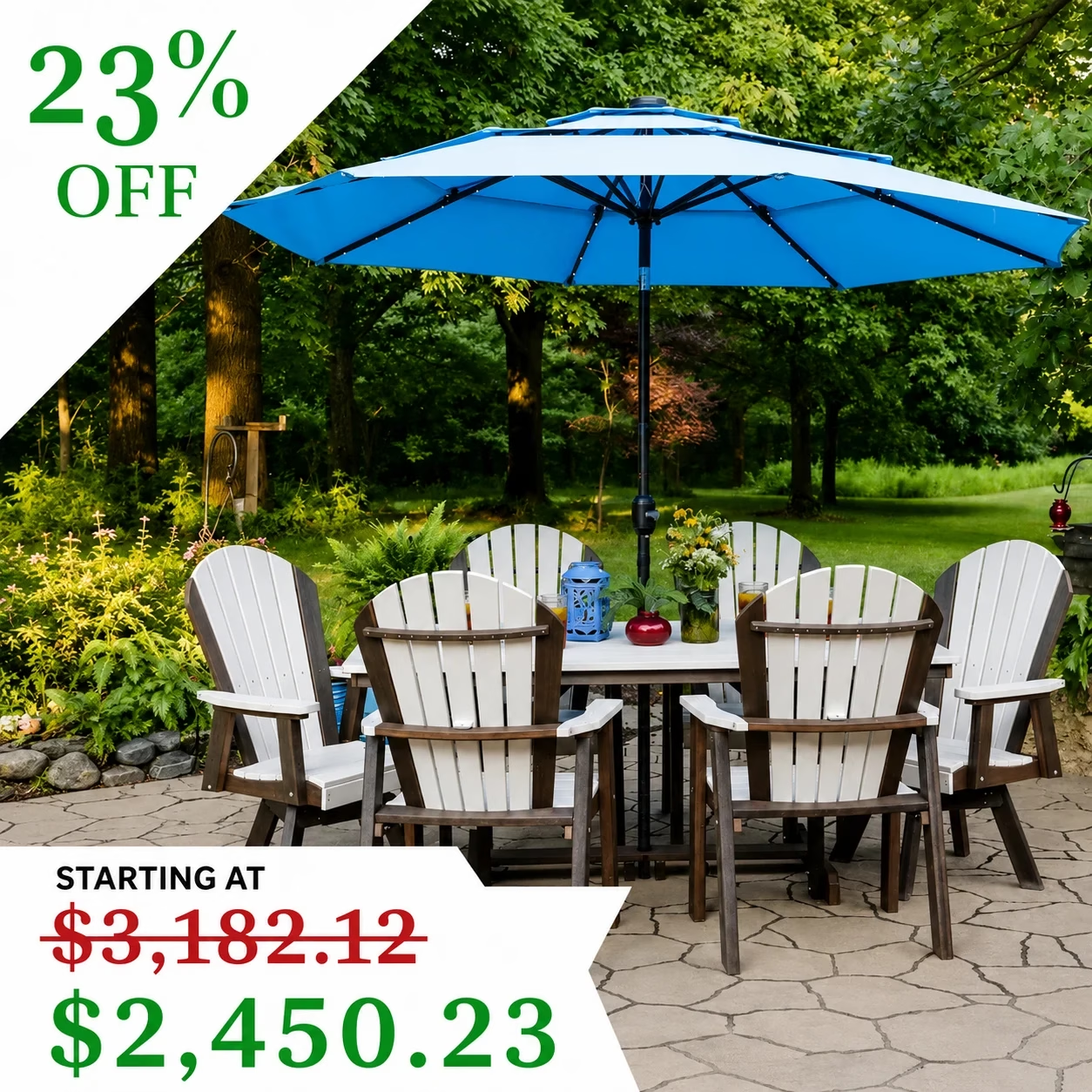
If you’re ready to see what this looks like in an actual piece of furniture, poly Adirondack chairs and poly dining table sets are two of the most popular starting points for homeowners building out a full outdoor living space.
Why Schedule a Call?
Popular Insights
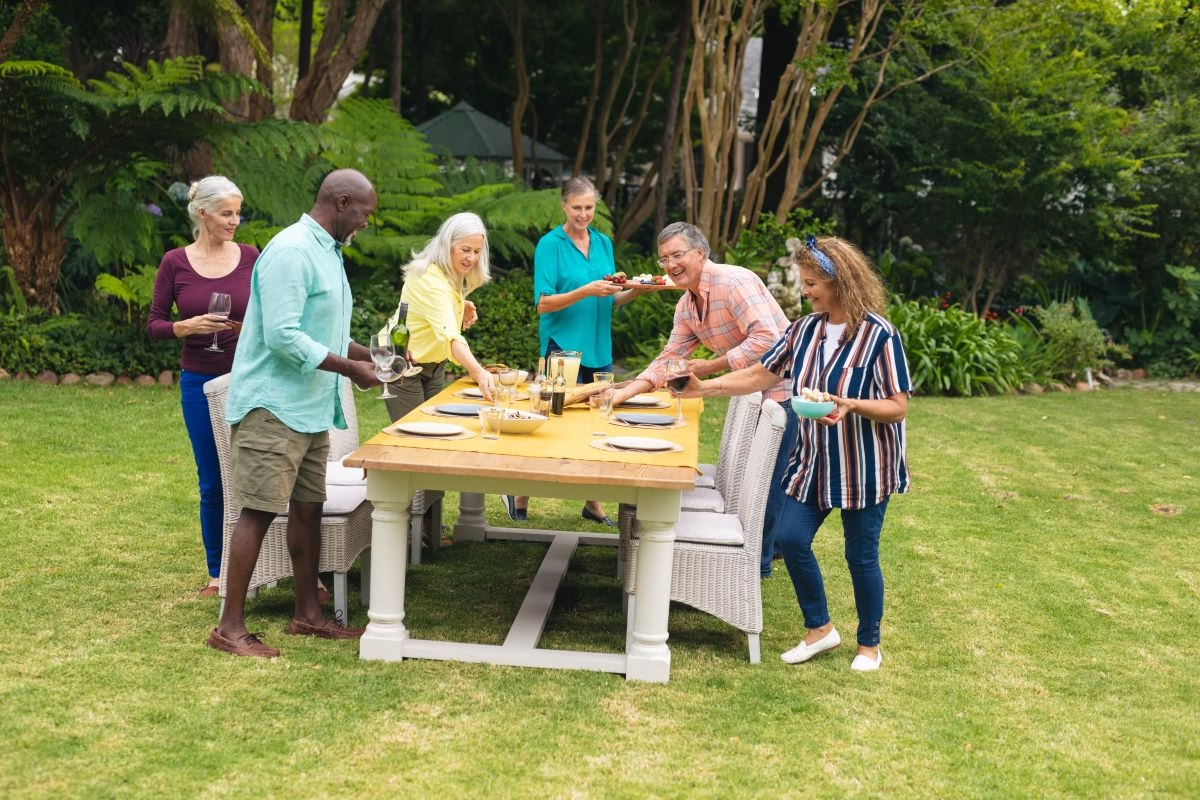
How To Choose Outdoor Dining Table Size
Sep. 02, 2026
5 Things to Look for When Buying Poly Outdoor Furniture
Sep. 02, 2026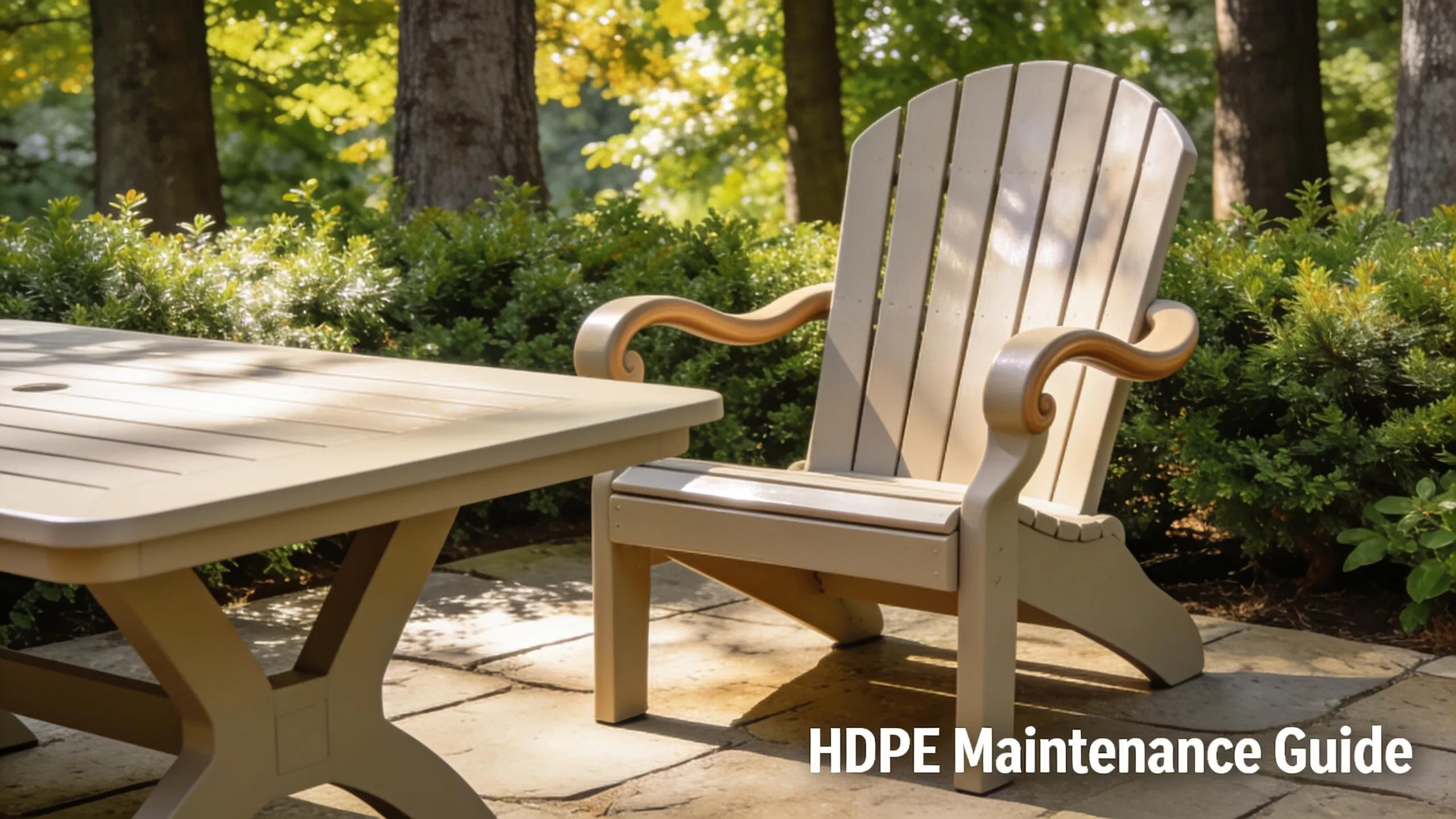
How to Clean Poly Outdoor Furniture (Step-by-Step Guide)
Aug. 06, 2026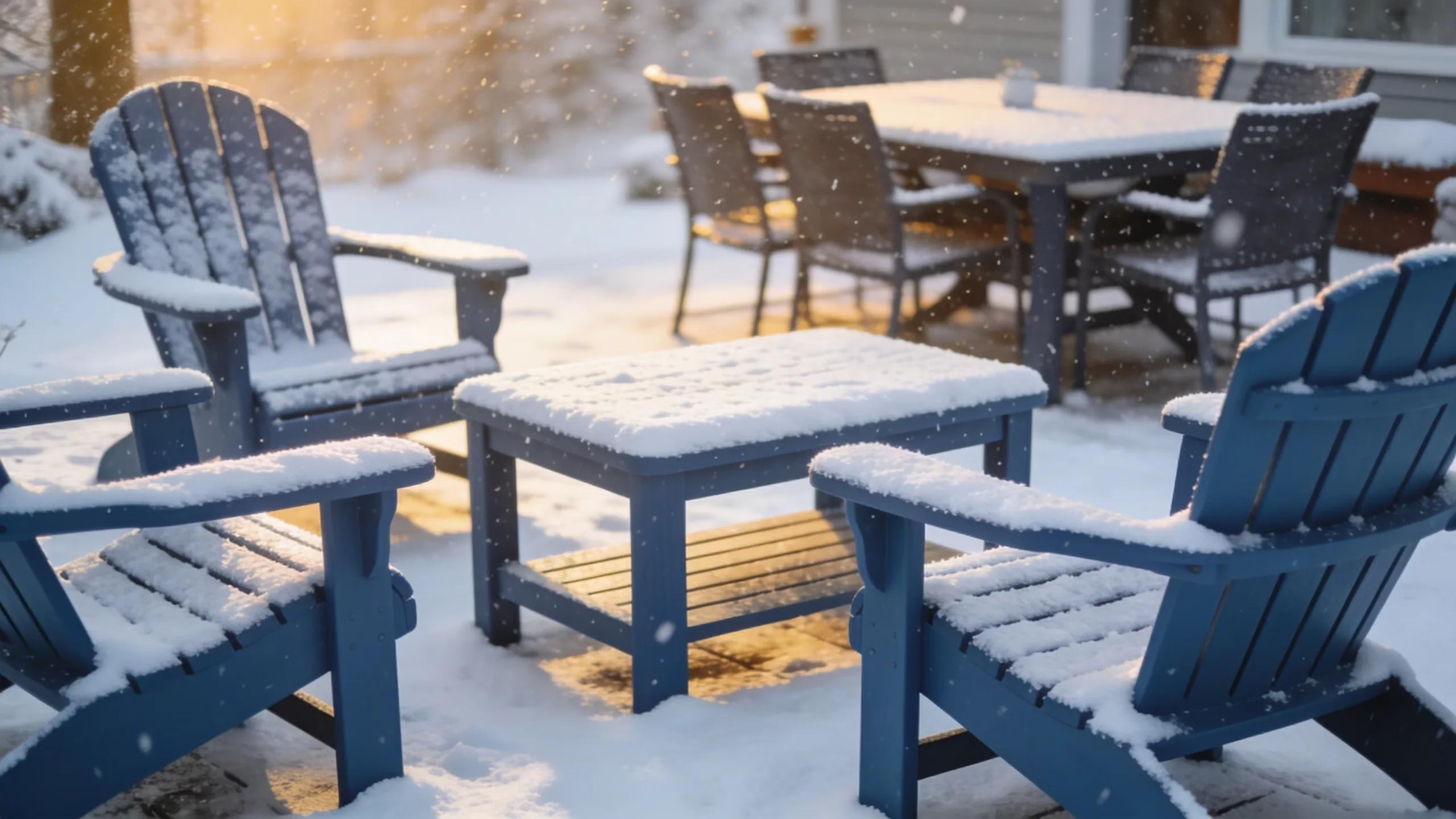
Winter Storage Tips for Poly Outdoor Furniture: What You Actually Need to Know
Aug. 04, 2026
10 Best Patio Furniture Ideas for Small Spaces
Aug. 01, 2026Our Categories