0
Poly Furniture
The Complete Guide to Choosing Poly Outdoor Furniture for Your Patio
By
July 7, 2026
Share:
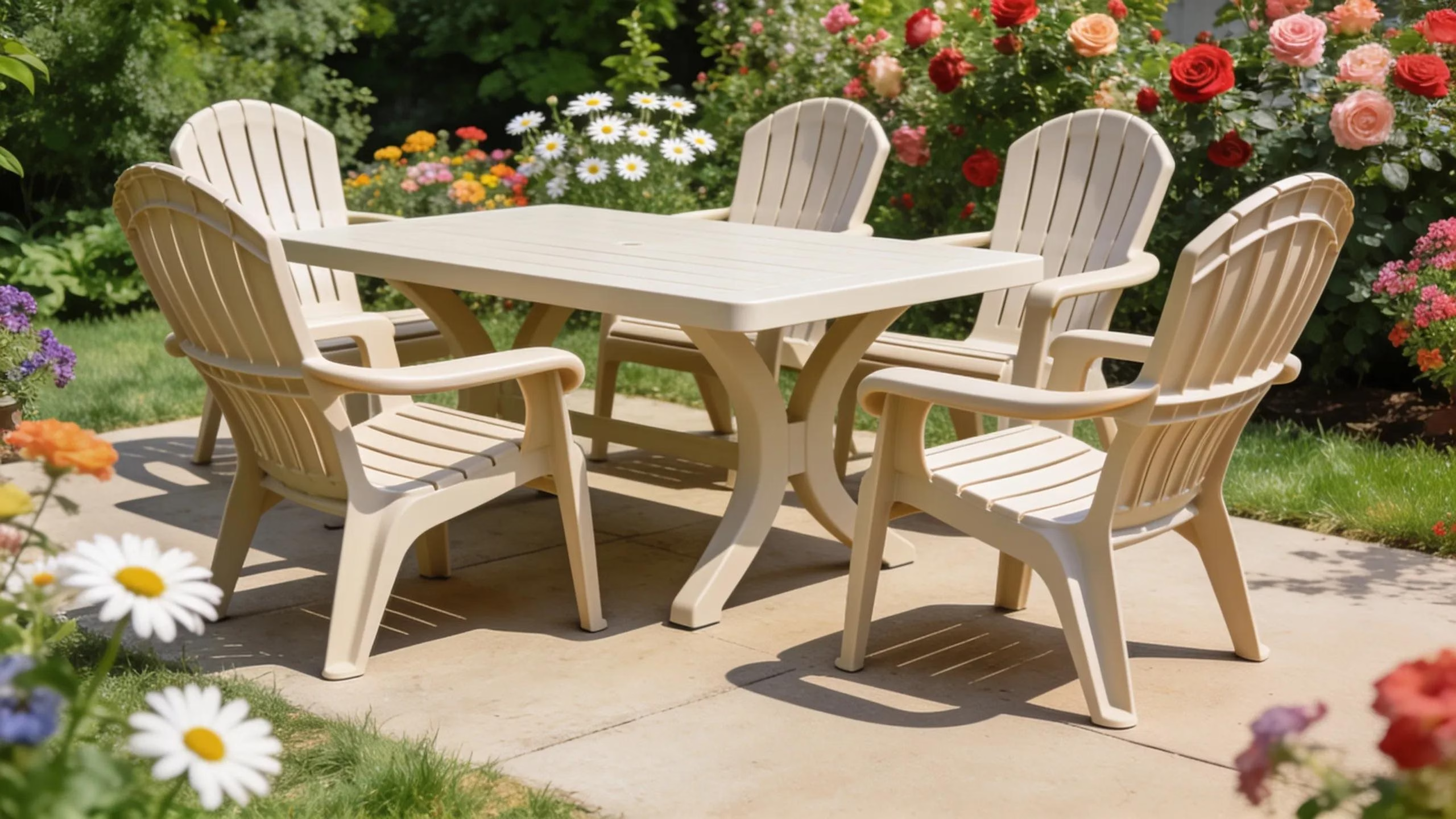
Picture two patios on the same street. One is covered in furniture that gets hauled into the garage every October and sanded down every spring. The other sits untouched through rain, sun, and snow, and still looks the same as the day it arrived. The difference isn’t luck. It’s the material.
Poly outdoor furniture, built from high-density polyethylene, is why that second patio exists. This guide breaks down what the material actually is, how it stacks up against wood and metal, which styles are worth considering, and what it takes to keep it looking good for decades rather than seasons.
What You’ll Learn in This Guide
By the end of this guide, you’ll understand what poly furniture is made from and why that matters, how it performs against traditional wood and metal furniture, the range of styles available for different parts of your patio, how little maintenance it actually requires, and why the sustainability angle here is more than a marketing line. If you’re comparing options before a purchase, this should answer the core questions before you get to a product page.
What Is Poly Furniture Actually Made Of?
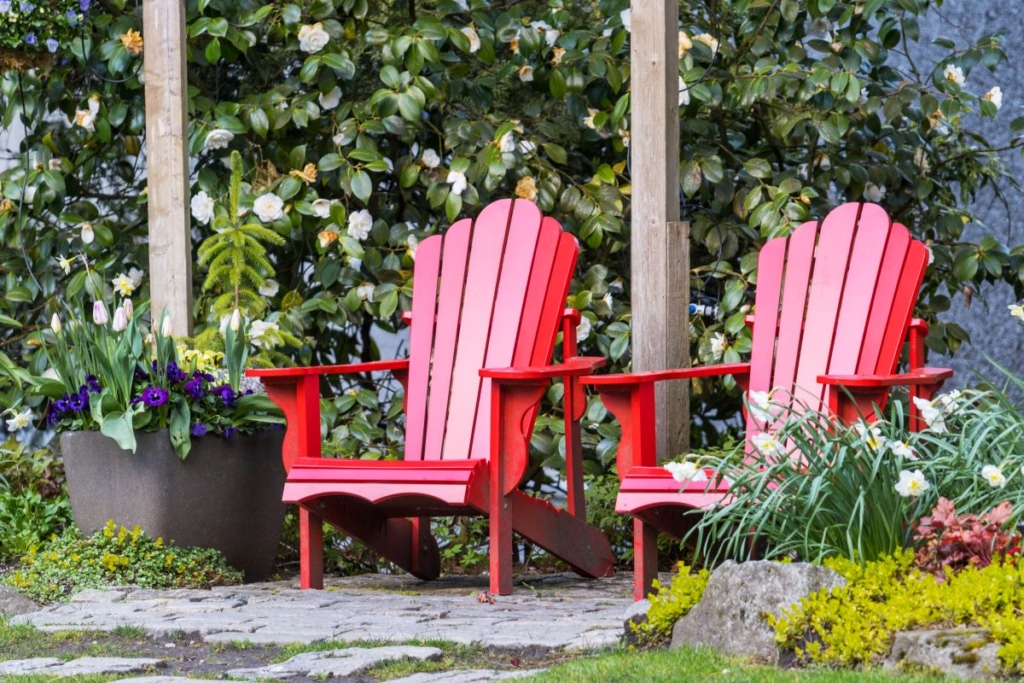
Poly furniture is built from HDPE, or high-density polyethylene, a dense recycled plastic engineered specifically to survive outdoors. Unlike raw plastic patio chairs from decades past, HDPE lumber is formulated to resist three things that ruin most outdoor furniture: moisture, UV rays, and temperature extremes.
Moisture is what causes wood to warp and rot. HDPE doesn’t absorb it, so there’s no swelling, no cracking at the joints, and no mildew growth to worry about. UV rays are what fade paint and stain within a couple of seasons. HDPE’s color runs all the way through the material rather than sitting on the surface, so scratches and sun exposure don’t leave the pale, chalky look that plagues painted wood and dyed wicker. And because the material doesn’t hold water inside it, freezing winters don’t crack it from the inside the way they can with wood.
The result is a material built to be left outside, permanently, without a seasonal routine attached to it.
Why Amish Craftsmanship Matters Here
Material alone doesn’t make good furniture. How it’s built matters just as much. Amish woodworkers have spent generations perfecting joinery, weight distribution, and finish work for outdoor furniture, and that expertise carries directly over to poly lumber.
The techniques are the same ones used on traditional wood pieces: routed joints instead of glued butt joints, hardware placed to reduce stress at pressure points, and finish work that avoids visible seams. The difference is that this craftsmanship is now applied to a material that won’t degrade the way wood does, so the furniture holds its structural integrity for as long as the material itself lasts, rather than losing strength as the wood underneath weakens.
How Poly Stacks Up Against Wood and Metal
Every outdoor furniture material makes a tradeoff somewhere. Here’s where poly lands compared to the two most common alternatives.
Against wood: Wood furniture needs re-staining or sealing every one to three years depending on the species and your climate, and even with regular care, most wood sets show structural wear within a decade. Poly skips this cycle entirely and is typically built to last 20 to 30 years. For the full financial picture on this comparison, see our breakdown of the hidden math behind wood furniture costs.
Against metal: Metal furniture can rust once its protective coating wears down, and dark-colored metal can get uncomfortably hot in direct sun. Poly doesn’t rust, doesn’t need repainting, and stays comfortable to sit on across a wider temperature range.
Where poly wins outright: upfront maintenance cost is close to zero, whereas both wood and metal carry an ongoing bill in time, materials, or both.
Which Poly Furniture Style Fits Your Patio?
Poly furniture isn’t a one-size-fits-all category. Here’s how the main product types break down by use case.
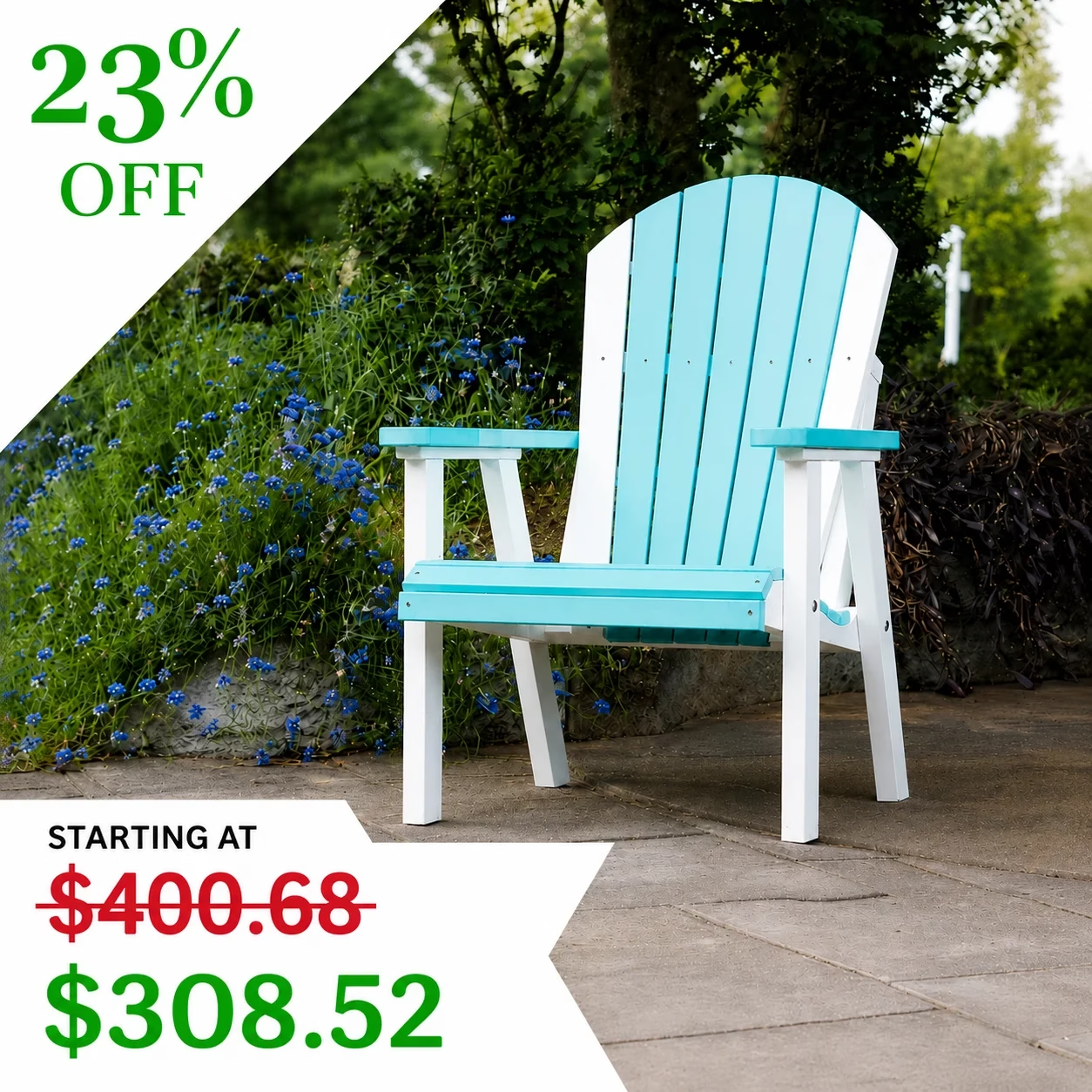
For lounging: Poly chairs in the classic Adirondack shape are built with wide armrests and a reclined seat angle designed for sitting still, not just sitting down.
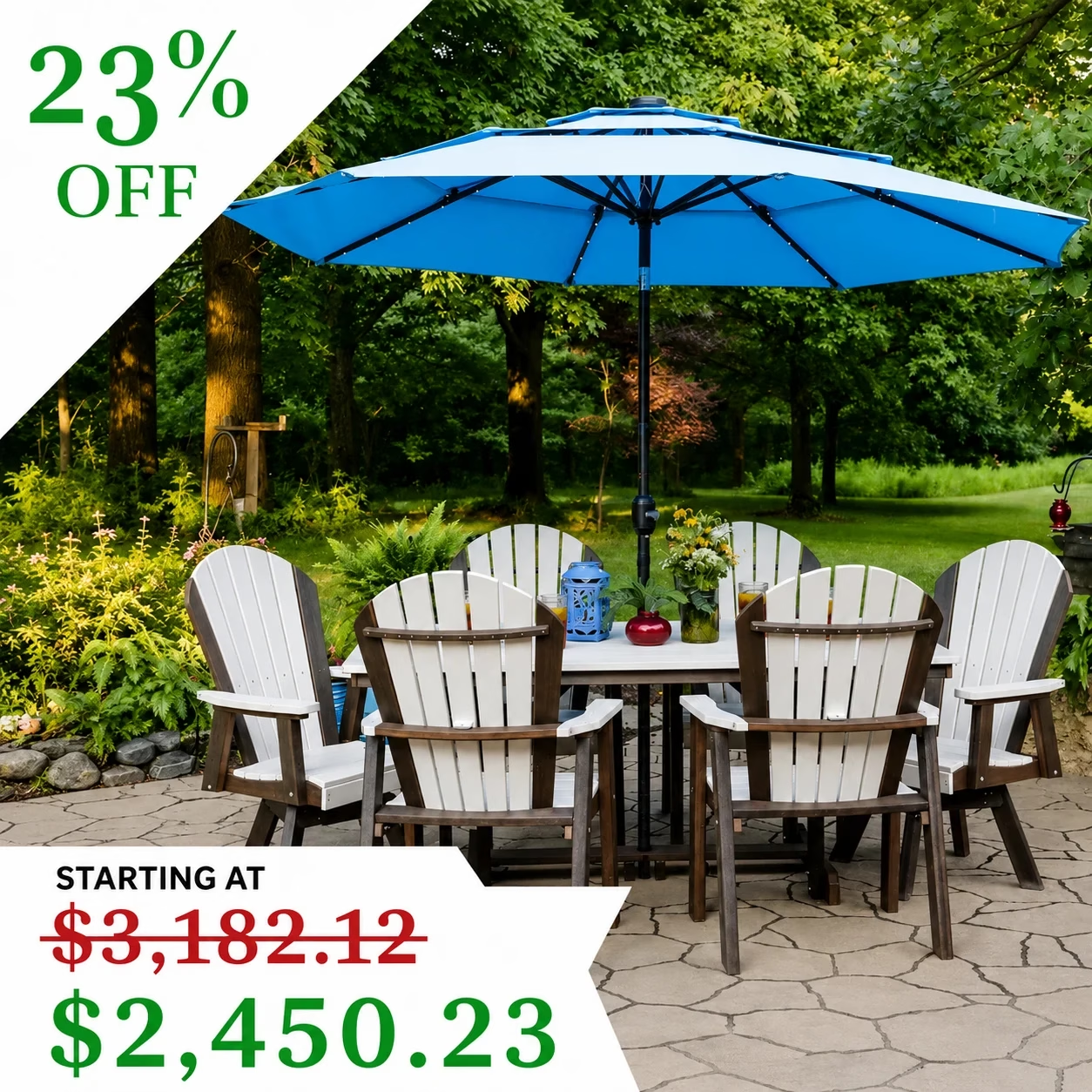
For entertaining: Poly table sets give you a full dining setup in one purchase, with every piece built from the same weather-resistant material so nothing ages faster than the rest of the set.
For quiet corners: A poly porch swing adds gentle motion seating that works well tucked into a smaller nook of the patio.
For flexible seating: Poly benches seat two or three people without taking up the footprint of separate chairs.
For tight spaces: Poly two-seaters bring the same build quality as larger furniture into a smaller footprint, ideal for balconies or compact patios.
If you’re planning furniture across multiple zones of a full patio rather than one piece at a time, our ultimate patio transformation blueprint walks through how to plan the whole space at once.
How Much Maintenance Does Poly Furniture Actually Need?
Less than almost any other outdoor furniture material. A rinse with soap and water a few times a season is typically enough to keep it looking new. There’s no staining, no sealing, and no repainting on the calendar.
If a piece gets scuffed or scratched, most HDPE damage can be repaired with a plastic-specific adhesive rather than requiring a full replacement. And because the material doesn’t degrade in freezing temperatures, there’s no need to bring it indoors or into storage for winter. It can simply stay where it is.
Is the Sustainability Angle Real or Just Marketing?
It’s real, and it’s measurable in two separate ways. First, the raw material: most HDPE lumber is made from post-consumer recycled plastic, which means every piece of furniture represents plastic waste that didn’t end up in a landfill. Second, the lifespan: furniture that lasts 20 to 30 years without needing replacement means fewer resources consumed over time compared to furniture that gets replaced every five to eight years. Durability and sustainability aren’t separate selling points here. They’re the same argument told two different ways.
FAQ
Is poly furniture safe for children and pets?
Yes. HDPE is non-toxic and contains no harmful chemicals, making it safe for outdoor use around children and pets.
Is poly furniture worth the higher upfront cost compared to wood?
Usually, yes. Wood requires ongoing staining, sealing, and eventual replacement, while poly furniture needs almost no maintenance and typically lasts 20 to 30 years, which often makes it the lower-cost option over time.
Can poly furniture be recycled at the end of its life?
Yes. HDPE can be recycled again once a piece reaches the end of its usable life, keeping it out of landfills a second time.
Does poly furniture need to be stored during winter?
No. Poly furniture can stay outside year-round, including through freezing temperatures, without needing seasonal storage.
How long does poly outdoor furniture typically last?
Quality poly outdoor furniture typically lasts 20 to 30 years, thanks to its resistance to moisture, UV exposure, and temperature extremes.
Is “poly furniture” the same thing as “polywood furniture”?
Yes. Both terms describe outdoor furniture built from HDPE, a durable recycled plastic lumber material.
Why Schedule a Call?
Popular Insights
How To Choose Outdoor Dining Table Size
Sep. 02, 2026
5 Things to Look for When Buying Poly Outdoor Furniture
Sep. 02, 2026
How to Clean Poly Outdoor Furniture (Step-by-Step Guide)
Aug. 06, 2026
Choosing Premium Poly Outdoor Furniture: An Expert Guide
Aug. 04, 2026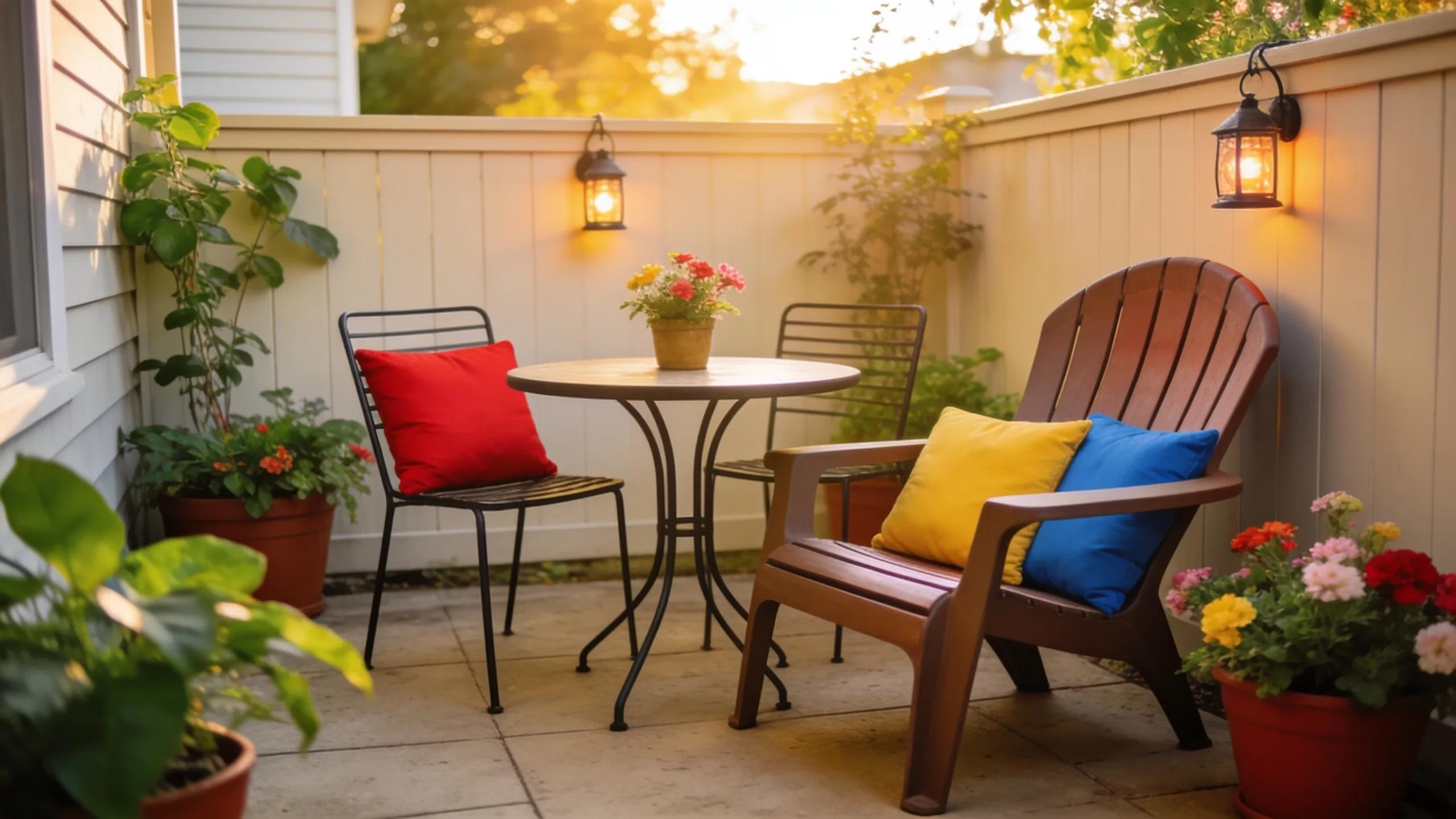
10 Best Patio Furniture Ideas for Small Spaces
Aug. 01, 2026Our Categories