Poly Furniture vs. Teak: Which Outdoor Material Actually Lasts Longer?

By Timbercraft Poly

July 2, 2026 • 8 min Read

Share this post

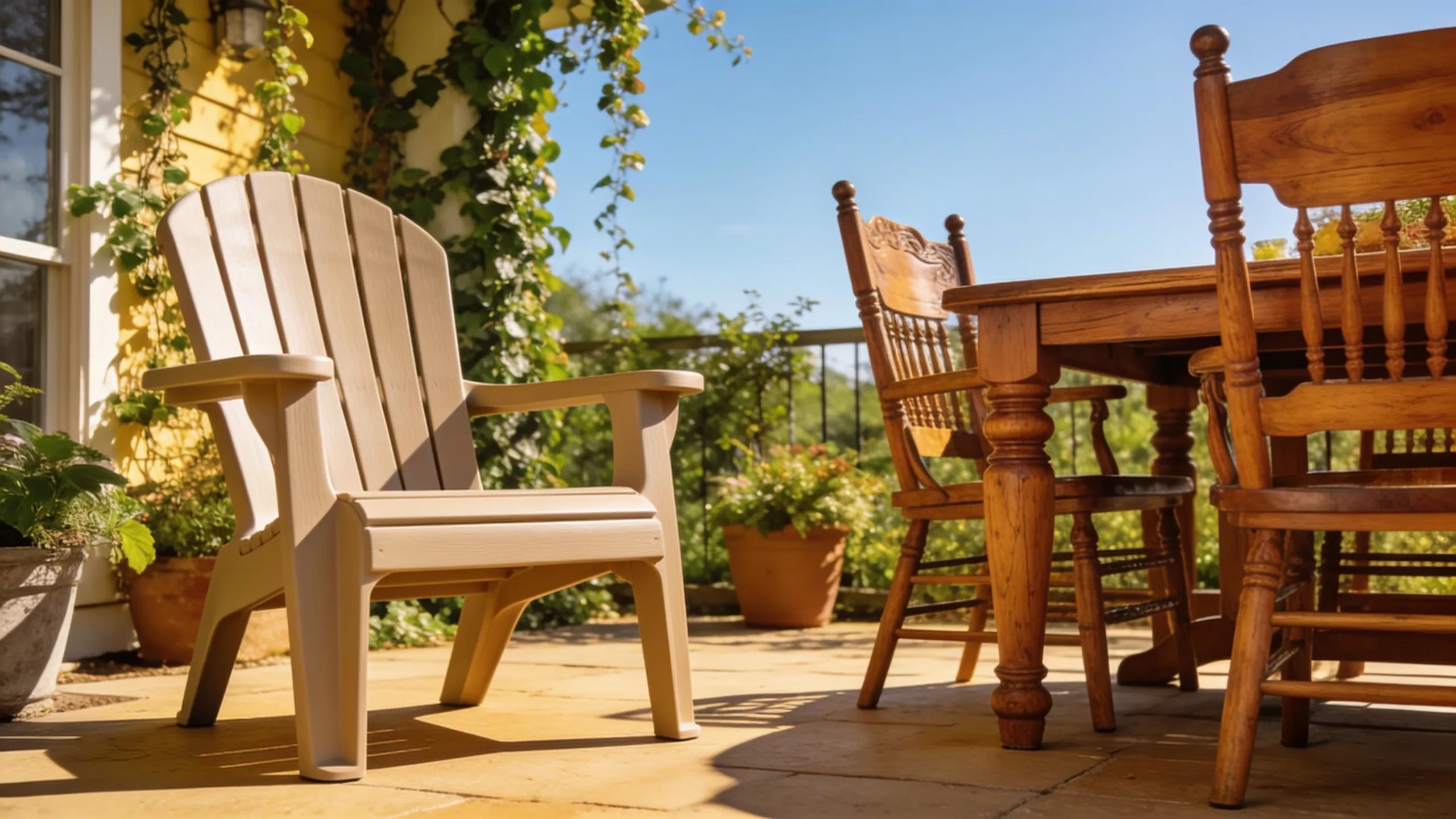
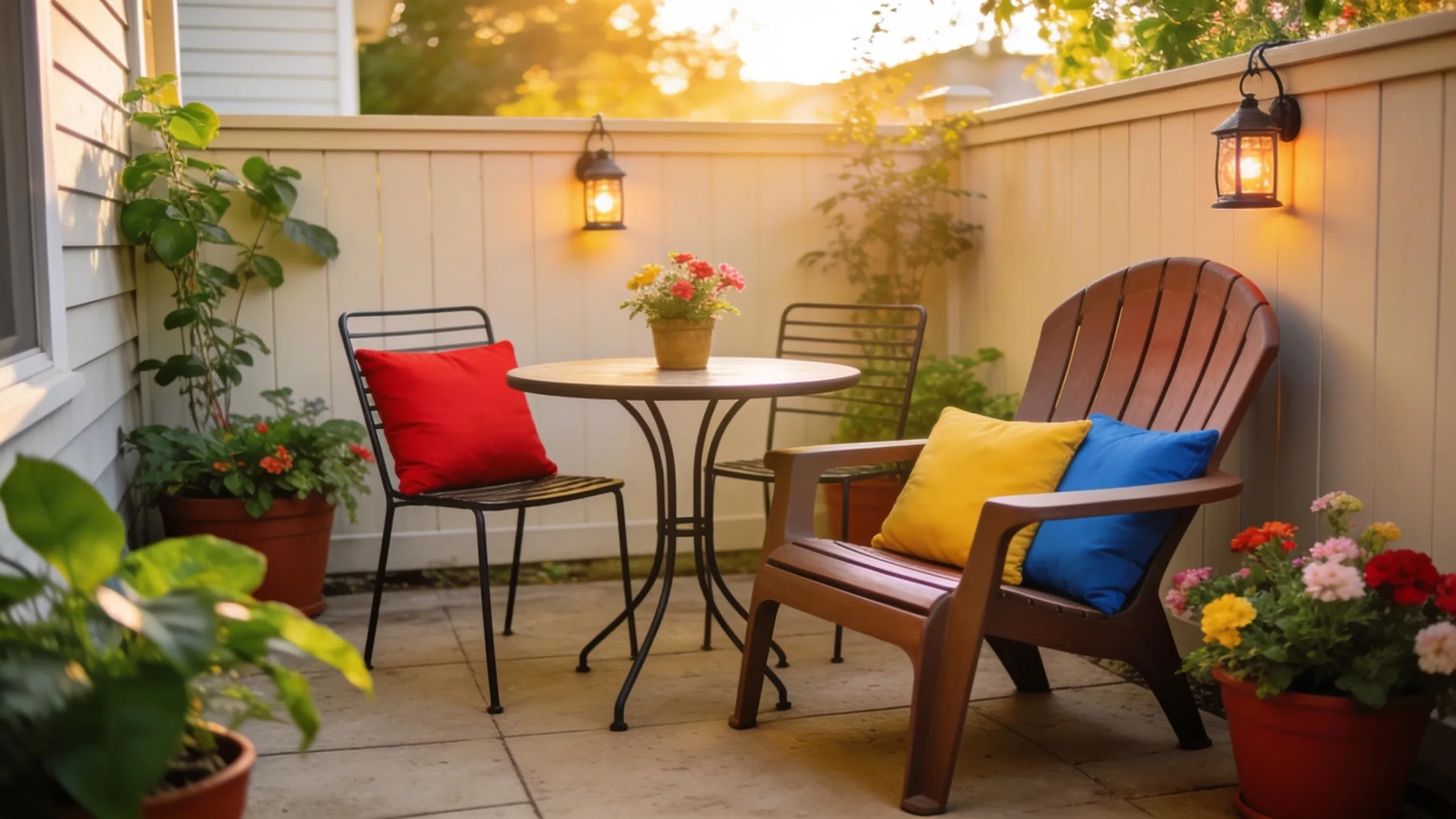
Outdoor setting showcasing poly furniture and teak wood furniture in a beautiful, sunny environment

Poly Furniture vs. Teak: Which Outdoor Material Actually Lasts Longer? An Authoritative Comparison on Durability, Maintenance, and Sustainability

When selecting outdoor furniture, durability, maintenance, and sustainability are paramount considerations for homeowners. This article delves into an insightful comparison between poly furniture and teak wood, two popular materials known for their outdoor capabilities. As more people seek long-lasting and environmentally friendly options, understanding the characteristics of these materials will help inform their choices. It’s crucial to recognize the advantages that poly furniture, specifically those crafted from recycled HDPE by TimberCraft Poly, can offer against traditional teak wood. This comprehensive guide will break down the differences in durability, maintenance requirements, and sustainability of both materials to assist consumers in making well-informed decisions regarding their outdoor spaces.

Comparison of Poly Furniture and Teak Outdoor Materials

Each material offers unique benefits suited for different consumer needs. Poly furniture, made from recycled HDPE, is characterized by its resistance to fading, cracking, and weather-related damages. In comparison, teak is treasured for its natural beauty and strength but demands regular upkeep to maintain its appearance and functionality. Understanding the attributes and requirements of both materials is essential for consumers seeking the best outdoor furniture.

Durability:

Comparison of weather-resistant poly furniture and deteriorating teak wood furniture demonstrating durability differences

When it comes to durability, poly furniture generally holds a significant advantage over teak. Poly furniture, such as that offered by TimberCraft Poly, can last for decades without significant wear. The materials used are engineered to withstand extreme weather conditions, making them ideal for various climates. Conversely, teak wood has a natural resistance to decay due to its high oil content but is still prone to warping and cracking if not properly maintained.

MaterialAttributePerformance
Poly FurnitureUV resistanceRetains color and integrity, lasting 25+ years
Teak WoodNatural oilsResists moisture and insects, but needs regular oiling

This highlights the significant differences in durability between these materials, emphasizing poly furniture’s resilience.

Maintenance Requirements:

Visual contrast between low-maintenance poly furniture cleaning and teak wood maintenance routine

Maintaining outdoor furniture involves understanding the specific needs of each material. Poly furniture requires minimal upkeep; homeowners need only wash it occasionally with soap and water. This low-maintenance design makes it a particularly attractive option for busy families or those who want to enjoy their outdoor space without dedicating time to upkeep.

In contrast, teak wood demands regular maintenance to ensure longevity. Homeowners typically need to apply oil annually to preserve the wood’s color and protective oils. Furthermore, cleaning teak must be performed periodically to avoid dirt buildup, which can lead to deterioration.

Homeowners may appreciate the hassle-free nature of poly furniture for its ease of maintenance.

Sustainability Features:

The sustainability of both materials is essential when choosing outdoor furniture. Poly furniture is often touted as an eco-friendly option, as it is made from recycled HDPE materials. This process significantly reduces landfill waste and promotes sustainable practices in the furniture industry. TimberCraft Poly, an Amish-crafted outdoor furniture company, emphasizes this in their product designs, educating consumers on eco-friendly choices that are both stylish and functional.

On the other hand, while teak wood is a natural product, its sustainability can be questionable. Teak is often sourced from rainforests, leading to concerns about deforestation and ethical harvesting practices. Homeowners choosing teak must ensure they select products sourced from certified sustainable plantations to minimize environmental impact.

Awareness of the sustainability features of each material can significantly influence purchase decisions.

What Are the Key Durability Differences Between HDPE Poly Wood and Teak Outdoor Furniture?

The key differences in durability between HDPE poly wood and teak mainly stem from material resilience and the effects of environmental exposure. HDPE poly wood is engineered for various weather conditions, allowing it to resist fading and cracking without requiring extensive maintenance.

Conversely, while teak wood can withstand outdoor conditions, it is susceptible to moisture and requires protective oils to maintain its quality. Regular treatment helps maintain its durability, but many homeowners find this inconvenient over time.

This leads many to consider HDPE poly wood furniture as the more durable, user-friendly option.

How Does HDPE Poly Wood Perform Against Weather and UV Exposure?

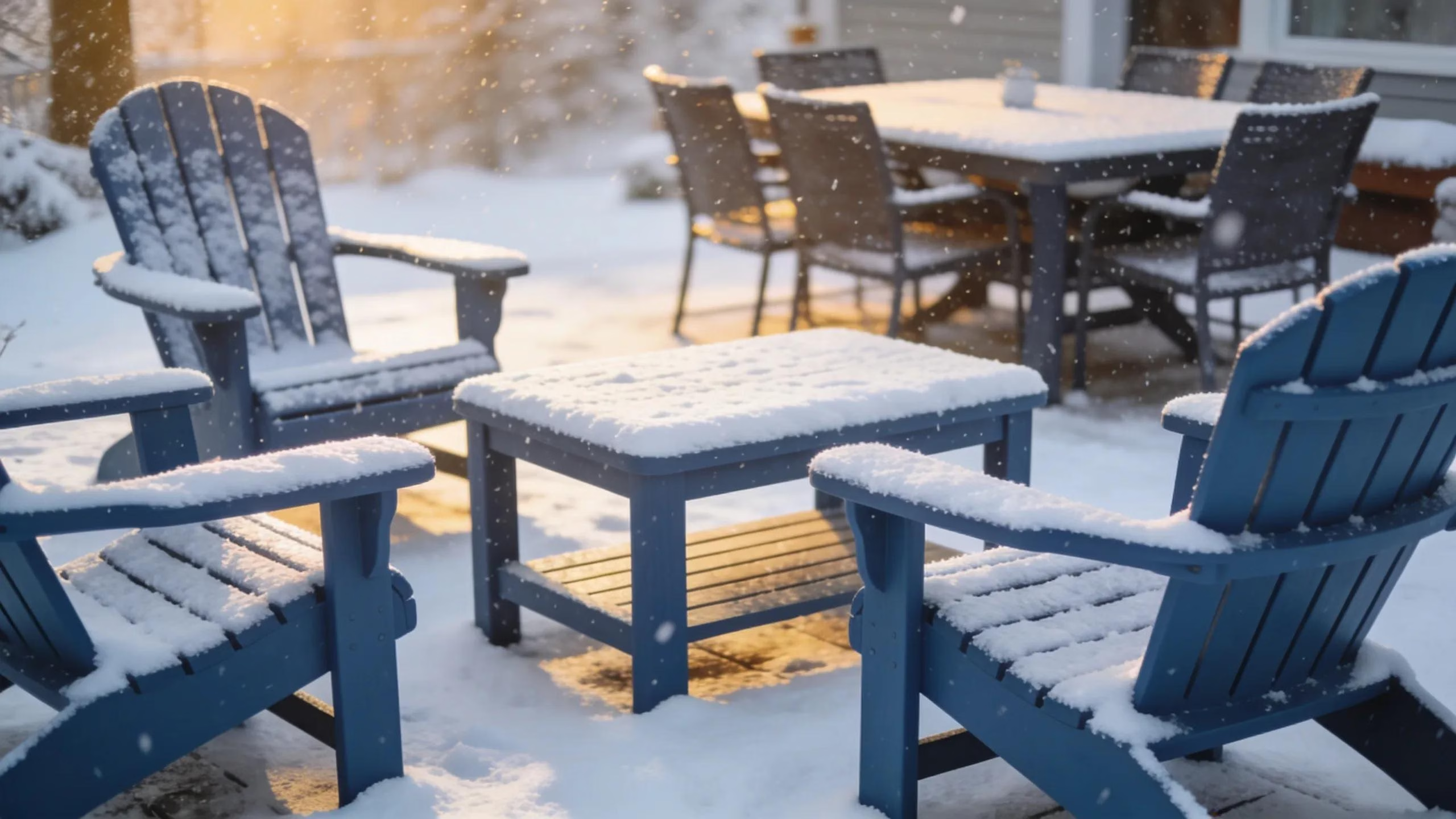
HDPE poly wood furniture excels in weather resistance due to its composition. The material is designed to withstand extreme temperatures, snow, rain, and UV rays without deteriorating. Consumer studies often report that poly furniture maintains its appearance and structural integrity for years under harsh conditions.

In contrast, teak wood, while naturally resistant to a degree of moisture, can dry out and crack if not properly treated with oil and left exposed to direct sunlight for extended periods. This distinction is vital for homeowners in regions experiencing drastic weather changes.

The study cited below offers further evidence of the mechanical strength and minimal water absorption properties of recycled HDPE planks, endorsing their suitability for durable outdoor furniture.

Recycled HDPE Planks: Sustainable and Durable Outdoor Furniture

Plastic waste generation has become a pressing environmental challenge due to the widespread use of plastic materials, which offer versatility, durability, and cost-effectiveness. This study investigates the feasibility of fabricating recycled high-density polyethene (HDPE) planks for furniture applications by evaluating their physio-mechanical properties. The research addresses the urgent need for effective waste management strategies, mainly plastic waste recycling, to mitigate environmental sustainability concerns. The study analyses the recycled HDPE planks’ tensile strength, flexural strength, and water absorption characteristics. The results indicate that the planks exhibit an average tensile strength of 14.36 ± 1.24 MPa and flexural strength of 46.57 ± 3.11 MPa, highlighting their suitability for furniture applications. Moreover, less than 0.01% water absorption rate confirms their capability to withstand outdoor conditions.

Feasibility of recycled HDPE planks for sustainable furniture applications: A physio-mechanical study, N Bolong, 2024

What Are the Longevity Factors of Natural Teak Wood Furniture?

Teak wood’s longevity relies heavily on its natural oils, which contribute to its resilience against insects and decay. However, this benefit comes with strings attached; the natural beauty of teak can fade over time without regular treatment, making it essential for homeowners to commit to maintenance routines.

Furthermore, the time it takes for teak to age can result in a disparity in appearance. Many owners love the rustic allure of aged teak, but those neglecting maintenance will likely face deterioration in durability sooner.

How Do Maintenance Requirements Compare Between Poly Furniture and Teak Wood?

The maintenance requirements between poly furniture and teak wood differ dramatically, making poly furniture a more attractive alternative for many consumers. Poly furniture’s resistance to fading and cracking means that it demands little more than occasional cleaning, freeing up valuable time for homeowners.

In contrast, teak wood owners must commit to consistent care, including cleaning, oiling, and conditioning their furniture to avoid premature degradation. The ongoing costs associated with purchasing oils and cleaning products can also add up over time, influencing consumer decisions.

What Routine Care Does HDPE Poly Wood Furniture Require?

Routine care for HDPE poly wood furniture consists primarily of cleaning. A mixture of soap and water, along with a soft cloth or sponge, typically suffices to keep the furniture looking brand new. This efficient strategy preserves the integrity and appearance of the furniture while ensuring that consumers can enjoy their outdoor spaces without extensive labor.

In What Ways Do Environmental and Sustainability Aspects Differ for Poly vs. Teak Outdoor Materials?

When comparing the sustainability of poly furniture with teak wood, the contrasts in environmental impact become apparent. Poly furniture, crafted from recycled materials, actively contributes to waste reduction, presenting a sustainable choice for eco-conscious consumers.

On the other hand, teak’s harvesting practices may lead to deforestation if not managed sustainably, resulting in potential long-term environmental considerations. Thus, choosing sustainable options in outdoor furniture extends beyond just material characteristics.

Further academic research supports the viability of recycled HDPE as a material for durable and sustainable furniture, offering a compelling alternative to traditional wood.

Recycled HDPE for Durable and Sustainable Furniture

The thesis assesses the technical, environmental and economic potential for creating indoor furniture from recycled high-density polyethylene (HDPE). It develops a prototyping workflow from feedstock collection and cleaning to shredding, reheating and compression moulding, and assesses the resulting material with mechanical testing (tensile and flexural) as well as experiments to test water uptake. Additionally, the study conducts a feasibility assessment of a potential SME in Egypt that includes market assessment, practical validation and financial modelling. Results show recycled HDPE panels with acceptable mechanical performance (tensile results in the low to mid MPa range) and minimal water uptake under test conditions, which are indicators of suitability for durable indoor furniture. HDPE as a wood alternative, 2024

How Sustainable Is HDPE Poly Wood Produced by TimberCraft?

TimberCraft’s HDPE poly wood furniture not only uses recycled plastics but is also designed to be fully recyclable at the end of its life. The production process emphasizes eco-friendly practices, appealing to consumers interested in reducing their carbon footprint while investing in resilient outdoor furniture. For a wide selection of these sustainable chairs, explore TimberCraft’s offerings.

Such sustainability ensures that TimberCraft remains committed to environmental stewardship while providing high-quality products.

What Environmental Considerations Relate to Teak Wood Furniture Sourcing?

Teak wood furniture sourcing raises concerns related to deforestation and the ethical treatment of natural resources. Homeowners interested in teak must be vigilant about selecting products sourced from certified sustainable plantations. Look for certifications indicating responsible harvesting practices to ensure that the furniture supports conservation efforts.

Which Types of Outdoor Furniture Are Best Suited for HDPE Poly Wood Versus Teak?

While both poly wood and teak have unique advantages, certain styles of outdoor furniture can benefit more from one material than the other.

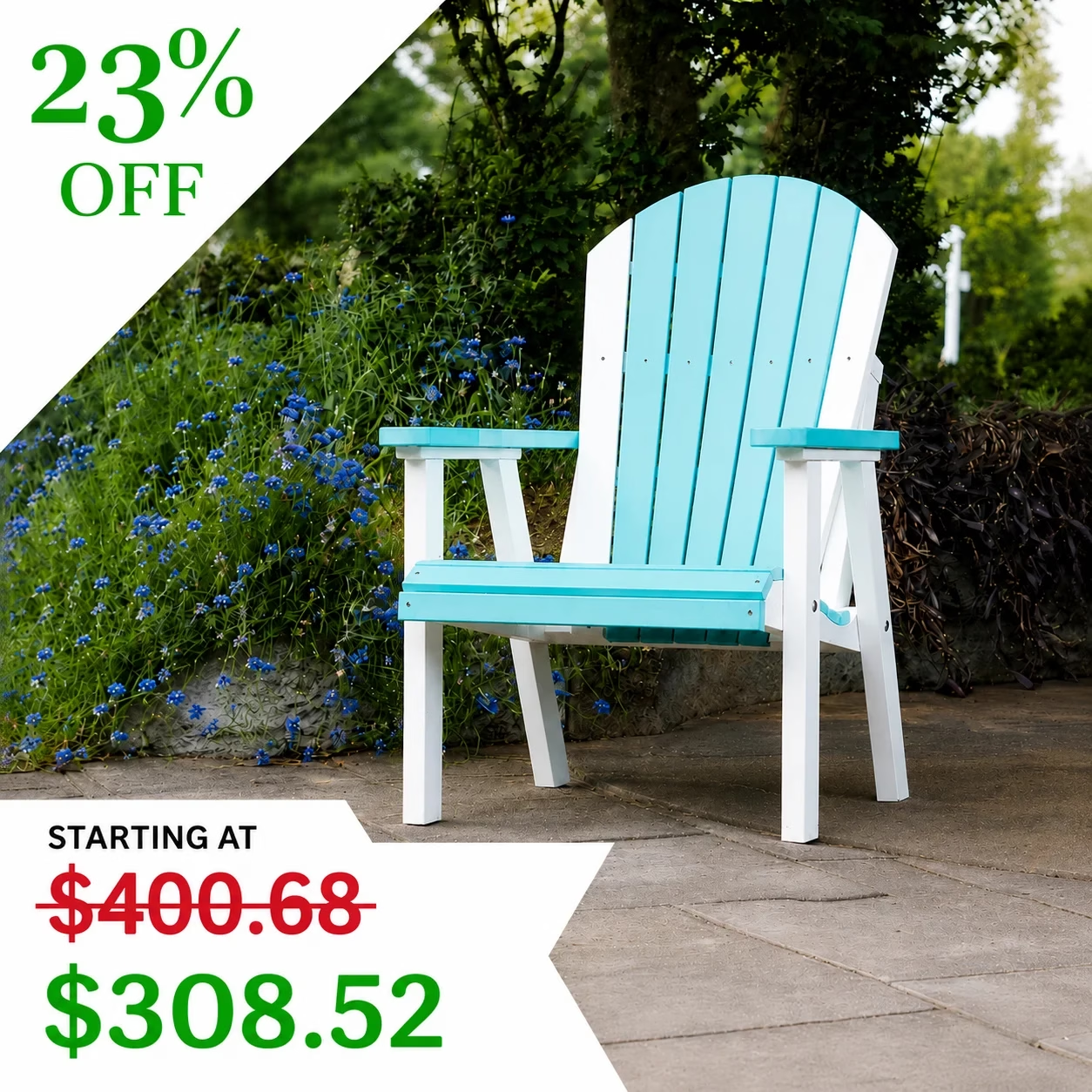
  1. Poly Adirondack Chairs: These chairs offer the charm of classic designs with enhanced durability, making them ideal for casual outdoor settings.
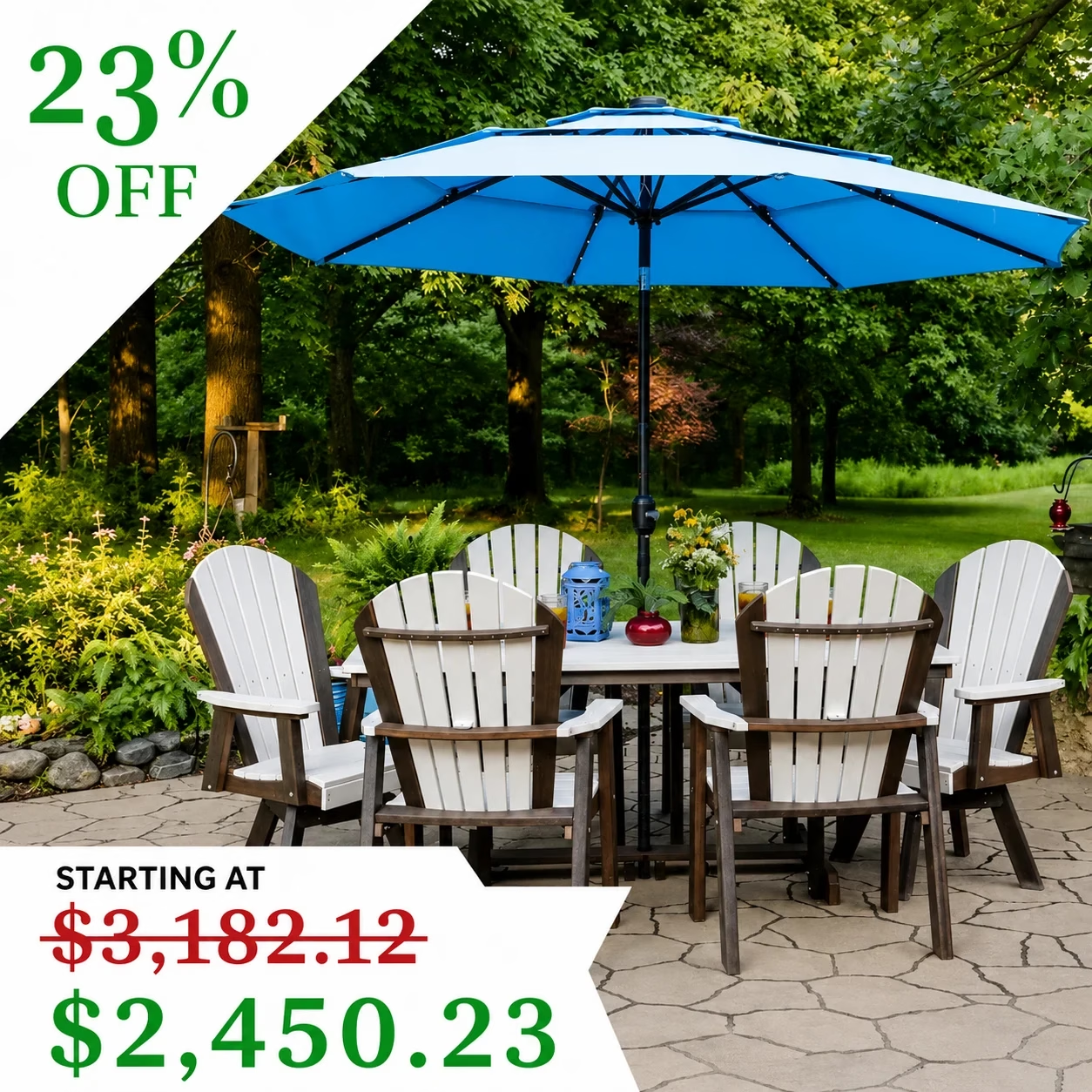
  2. Outdoor Dining Sets: While teak dining sets project elegance and appeal, poly sets offer a weather-resistant alternative for frequent outdoor meals.
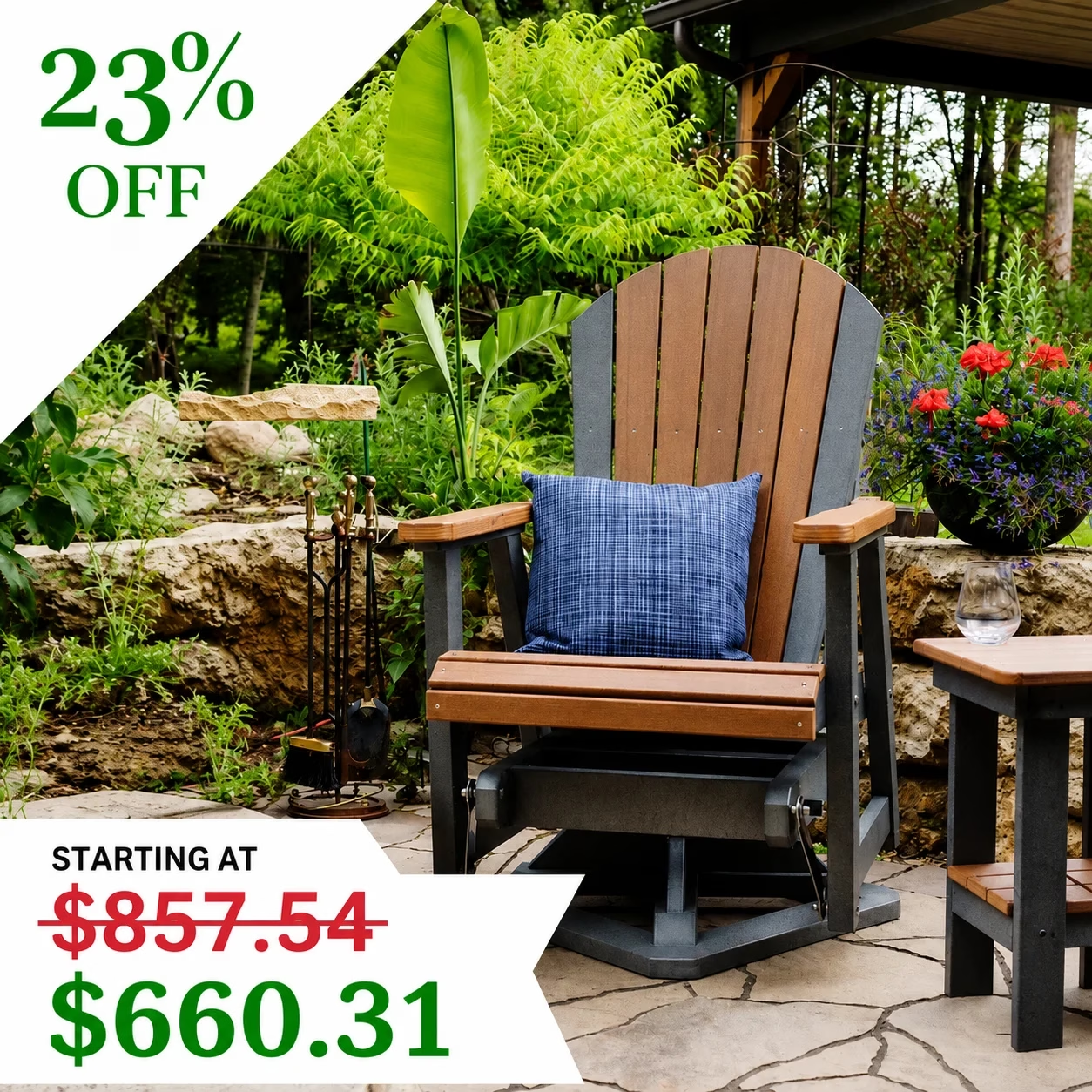
  3. Gliders and Porch Swings: Poly furniture stands out for these installations, delivering low maintenance and high resilience against the elements.

Ultimately, the choice depends on individual preferences for style and upkeep.

What Are the Advantages of Poly Wood Adirondack Chairs, Gliders, and Porch Swings?

Poly wood Adirondack chairs, gliders, and porch swings provide several benefits, including comfort, durability, and aesthetic appeal.

  • Comfort: Designed with relaxation in mind, these pieces offer ergonomic designs tailored for lounging.
  • Durability: The resistance to fading and weather-related damages ensures these items remain visually appealing longer.
  • Environmental friendliness: Being made from recycled materials aligns with the preferences of eco-conscious consumers.

The combination of these attributes helps solidify the position of poly furniture in the outdoor market sector.

When Should Homeowners Select Teak for Dining Sets and Outdoor Benches?

Teak dining sets and benches are recommended for situations where aesthetic value is prioritized. The rich color and natural beauty of teak wood can elevate outdoor spaces and create a touch of elegance. However, homeowners should commit to a regular maintenance routine to maintain this beauty over time adequately.

Ultimately, teak is more suited for those ready to embrace consistent care for the reward of timeless aesthetics.

What Do Recent Industry Data and Certifications Reveal About Material Longevity and Value?

Current industry data indicate that HDPE poly wood furniture tends to last longer than teak, with many manufacturers offering warranties extending beyond 20 years for their poly products. This impressive longevity solidifies the value proposition for those investing in poly options.

In contrast, teak furniture may have a higher initial cost but involves ongoing maintenance expenses that can accumulate significantly over time.

How Do Sustainability Certifications Influence Purchasing Decisions for Outdoor Materials?

Sustainability certifications play a crucial role in guiding consumer decisions in outdoor materials. Products certified for sustainable practices assure buyers of responsible sourcing and green manufacturing processes. Consumers increasingly prioritize these certifications, reflecting a broader trend toward environmentally conscious purchasing decisions.

How Can Homeowners Make an Informed Choice Between Poly and Teak Outdoor Materials?

Homeowners should consider durability, maintenance, and sustainability when evaluating outdoor materials. Poly furniture offers significant advantages in these areas, making it an attractive choice for those seeking low-maintenance options without sacrificing quality.

Conversely, teak can appeal to those prioritizing timeless aesthetics and natural beauty, provided they are prepared for the accompanying maintenance. Assessing key factors will enable homeowners to align their choices with their lifestyles and values.

Which Factors Should Influence the Selection of Poly Wood or Teak Furniture?

Several factors should influence the decision-making process regarding outdoor furniture materials:

  • Climate and Weather: In areas with severe weather conditions, poly furniture may prove more resilient.
  • Time Commitment: Homeowners less inclined to engage in regular upkeep should consider poly options.
  • Aesthetic Preferences: Those drawn to natural beauty might favor teak despite its maintenance needs.

Awareness of these factors will empower homeowners to make choices that suit their outdoor living needs efficiently.

Where Can Consumers Find Durable and Low-Maintenance Poly or Teak Furniture?

Consumers interested in durable and low-maintenance poly furniture can explore offerings from TimberCraft Poly, known for their high-quality, Amish-crafted outdoor furniture. Their products incorporate the principles of sustainability, ensuring excellent performance and environmental responsibility. For various swings and other outdoor pieces, TimberCraft is a prime destination.

For teak furniture, it’s essential to source products from certified suppliers who prioritize sustainable practices in their harvesting methods, allowing customers to enjoy the beauty of teak while also being mindful of environmental impact.

Related Posts

View All

Outdoor setting showcasing poly furniture and teak wood furniture in a beautiful, sunny environment

Poly Furniture

8 min Read

Poly Furniture vs. Teak: Which Outdoor Material Actually Lasts Longer?

Experience the superior durability of poly outdoor furniture compared to

Learn More
Poly furniture setup in a vibrant outdoor location, highlighting durability and aesthetic appeal

237

8 min Read

What Is Poly Furniture and Why Is It More Durable Than Wood?

Transform your outdoor space with durable poly furniture. Learn how

Learn More
Amish-Built Poly Dining Furniture Is the Perfect Choice

Uncategorized

8 min Read

Why Amish-Built Poly Dining Furniture Is the Perfect Choice for Outdoor Entertaining

Creating an inviting outdoor dining space starts with choosing amish-built

Learn More