0
Poly Furniture
The Outdoor Furniture Revolution: Why Poly Stands Above All
By Scott
November 19, 2025
Share:

Poly furniture is leading a real shift in how homeowners furnish their outdoor spaces, and it comes down to one simple trade-off disappearing: durability used to mean expensive upkeep, and low upkeep used to mean furniture that didn’t last. High-density polyethylene (HDPE) breaks that trade-off. It resists rot, fading, and pests without needing the staining, sealing, or repainting that wood and metal furniture demand, which is why it’s becoming the default choice for homeowners who want furniture that looks good for decades, not just a few seasons.
Why HDPE Poly Lumber Outperforms Wood and Metal
The biggest advantage of poly lumber is straightforward: it lasts. The material resists fading, splintering, and rotting, and holds up reliably across the kind of temperature swings, humidity, and sun exposure that gradually wear down wood and metal alternatives. Many poly products are also made from recycled feedstock, which cuts down on the material’s environmental footprint without sacrificing performance.
Maintenance is where the difference really shows. Wood needs periodic staining and sealing to stay in good shape. Poly just needs soap and water. That gap adds up over the life of the furniture, both in time saved and in money not spent on repairs, stains, or replacements.
| Benefit | Description | Value |
|---|---|---|
| Longevity | Resists fading, splintering, and rot | Lasts for decades with minimal wear |
| Low maintenance | Cleans with mild soap and water | Saves time and ongoing cost |
| Environmental impact | Often made from recycled HDPE | Supports sustainable sourcing |
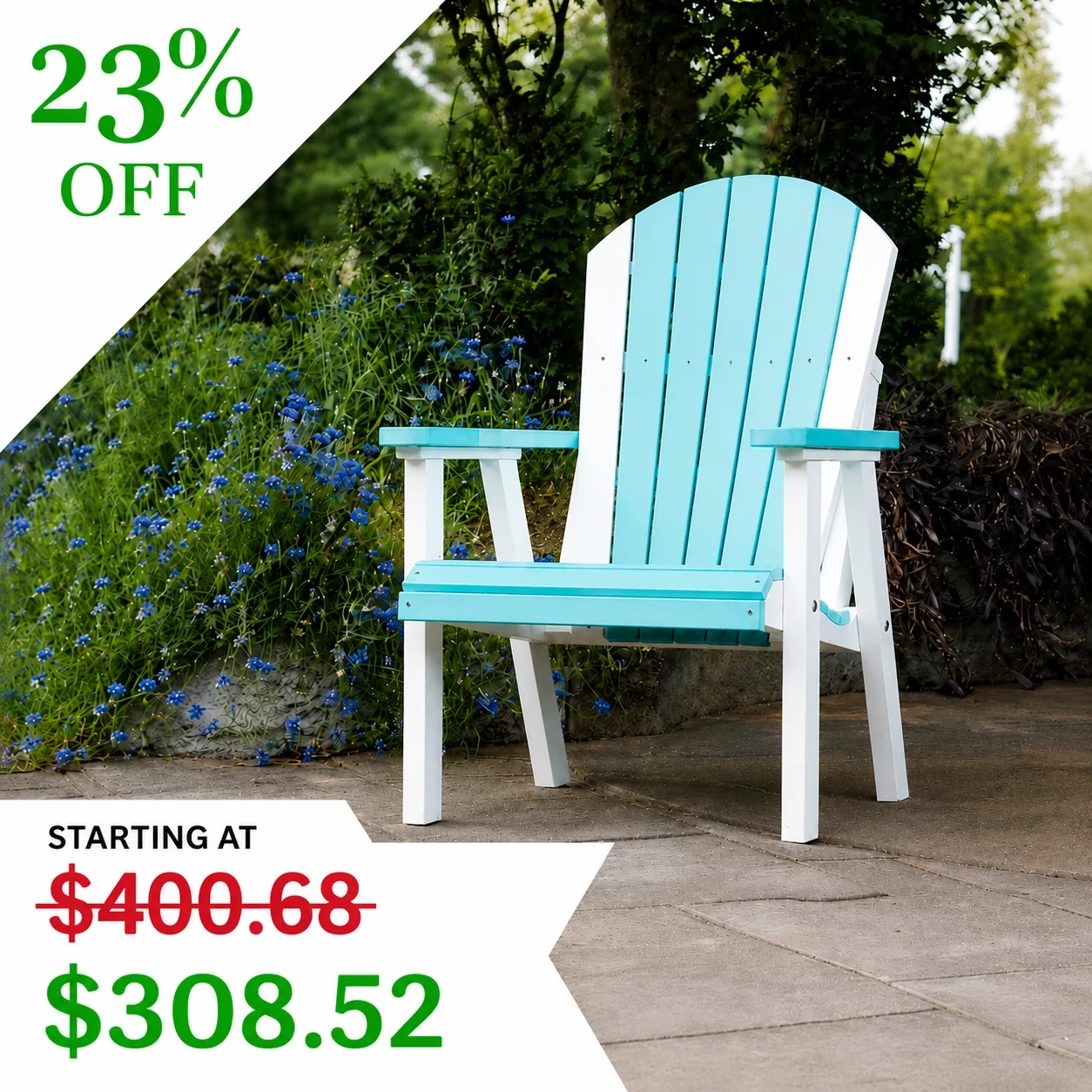
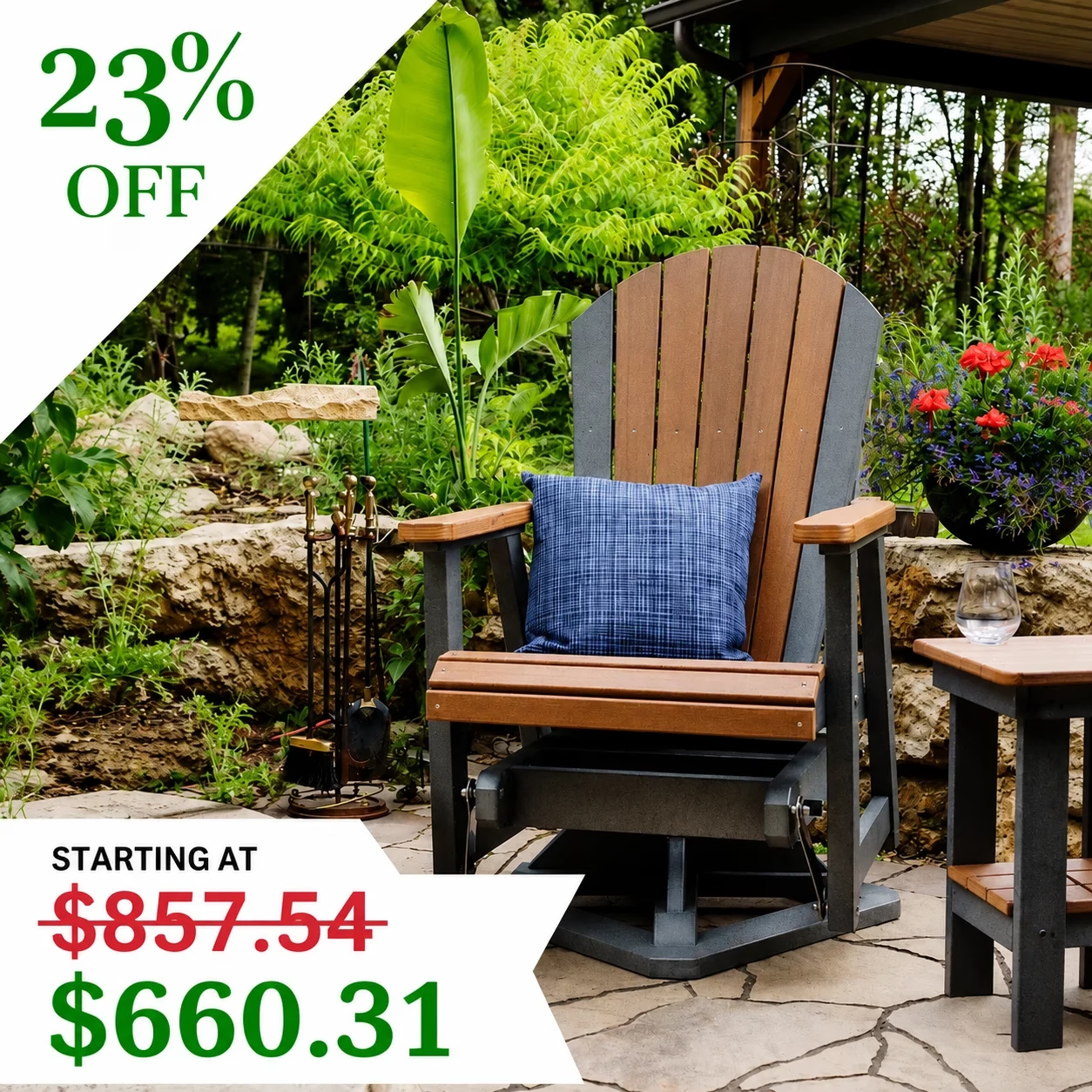
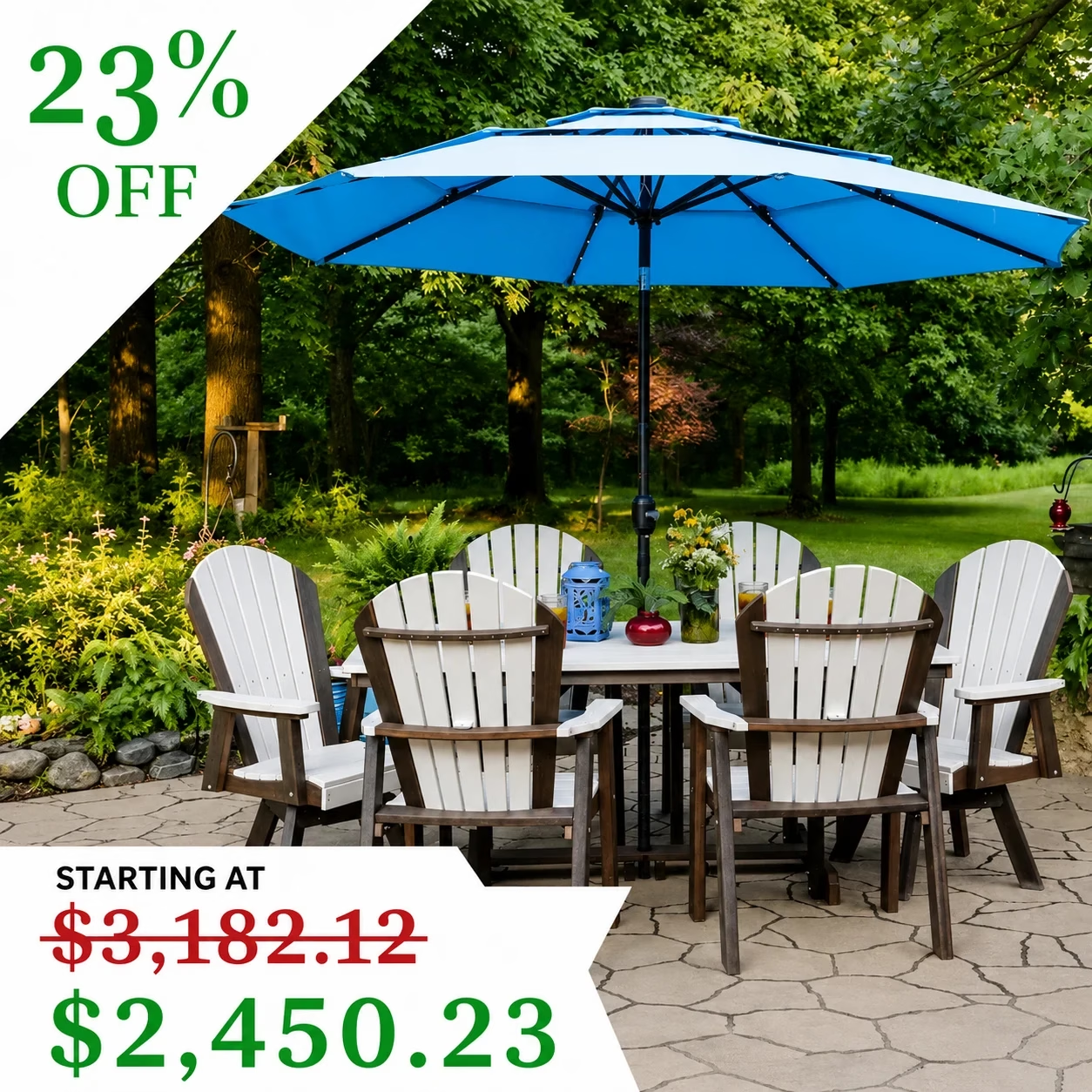
TimberCraft Poly builds on these properties across a full range of outdoor furniture, including Adirondack chairs, gliders, and dining sets, all constructed for durability without a demanding maintenance routine attached.
Why Is Low Maintenance a Key Advantage of Poly Outdoor Furniture?
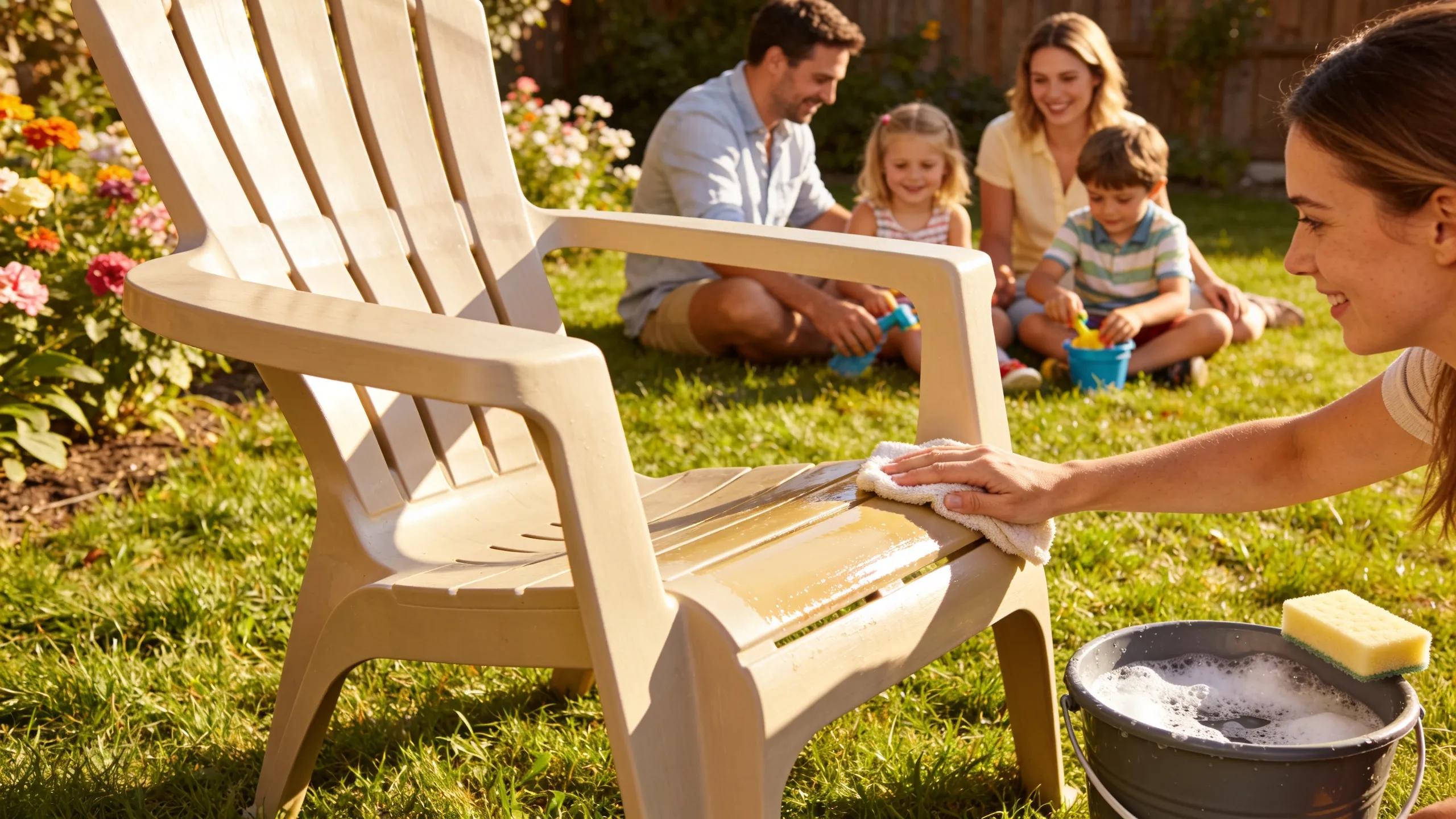
Low maintenance is a primary benefit of poly outdoor furniture. Owners value that poly pieces need substantially less upkeep than wood. Timber requires regular staining, painting and sealing to retain condition and appearance; poly products can be cleaned with mild soap and a cloth because the material resists staining and does not absorb moisture.
Long-term cost reductions are another important factor. Although initial acquisition costs for quality poly furniture can be higher, the reduction in repairs and ongoing maintenance yields net savings over time. Poly pieces endure prolonged use while providing consistent comfort and aesthetic value without recurrent expense.
The Amish Craftsmanship Behind Every Piece
Material alone doesn’t make good furniture, construction does. Amish artisans bring generations of precise joinery and construction technique to poly lumber, applying the same standards they’ve long used with wood, but on a material that won’t degrade the way wood does over time. That combination of durable material and careful construction is what separates furniture built to last from furniture that just looks like it will.
Sustainability is part of that construction process too, not an afterthought. Using recycled plastics in place of virgin raw material reduces waste and lowers the carbon footprint of production, while still meeting the same durability and design standards buyers expect from Amish-built furniture.
Which Poly Pieces Make the Most Sense for Your Space
Poly lumber works well across a wide range of outdoor furniture, and each style brings something different to a patio or backyard setup:
- Adirondack chairs: A classic, comfortable profile well suited to patios and poolside seating.
- Porch swings and gliders: A relaxed seating option built for porches and yards, with the same weather resistance as the rest of the lineup.
- Dining sets: Stable, durable seating for outdoor meals and gatherings that holds its color and structure across seasons.
- Benches: Flexible extra seating for gardens and patios without the upkeep wood benches require.
Whichever pieces you choose, they all draw on the same core properties that make poly worth choosing in the first place: durability, color retention, and low upkeep, so the decision really comes down to how you want to use the space.
Poly vs. Wood vs. Metal, Side by Side
Poly holds up differently than wood and metal across the factors that matter most to buyers:
| Factor | Wood | Metal | Poly (HDPE) |
|---|---|---|---|
| Durability | Vulnerable to rot, warping, and insects | Prone to corrosion | Resists rot, pests, and corrosion |
| Weight and stability | Heavy, hard to reposition | Lightweight, can shift in wind | Heavy enough to stay put, easier to move than hardwood |
| Environmental impact | Depends on sourcing practices | Energy-intensive to produce | Often made from recycled plastics |
| Maintenance | Staining and sealing required | Rust prevention needed | Soap and water only |
The gap is most obvious in longevity and maintenance. Wood and metal both require ongoing attention to avoid deterioration; poly is built to skip that step entirely while still holding its appearance for years.
Keeping Poly Furniture Looking Its Best
Poly furniture doesn’t need much, but a little routine care keeps it looking new for longer. Clean it with a mild soap solution and a soft cloth or brush, avoid abrasive cleaners or solvents that could dull the surface, and rinse thoroughly to remove any soap residue. During severe weather, moving furniture to a sheltered spot or using a cover adds extra protection, though it’s rarely a requirement rather than a nice-to-have.
Why This Is the Direction Outdoor Furniture Is Heading
As demand for genuinely durable, lower-waste products grows, poly lumber fits naturally into that shift. It combines a long usable life with a real reduction in replacement frequency, which is a more meaningful sustainability story than a lot of “eco-friendly” marketing manages to back up. Homeowners get furniture that performs well outdoors and holds up to scrutiny on where it actually comes from.
Customer feedback tends to echo the same points: less time spent on repairs and upkeep, and furniture that keeps its appearance well past the point where wood or metal alternatives would need replacing. That combination of practicality and durability is the real reason poly keeps gaining ground with homeowners.
What should I consider when choosing poly outdoor furniture?
Think about design, comfort, and how the piece will fit your space. Check the available color options against your existing outdoor decor, and review warranty terms, especially for Amish-made pieces, to confirm you’re getting a durable, well-built investment.
How long can I expect my poly outdoor furniture to last?
With basic care, poly outdoor furniture can last for decades. Its resistance to fading, rot, and weather damage gives it a real edge over most wood or metal alternatives, and routine cleaning with soap and water helps it go the distance.
Is poly outdoor furniture suitable for all climates?
Yes. Poly furniture is built to handle a wide range of conditions, resisting moisture, UV exposure, and temperature swings that would otherwise cause wood to warp or crack, which makes it a solid choice across most U.S. climates.
Can poly furniture be recycled at the end of its life?
Yes. HDPE poly furniture is recyclable, so components can be processed and reused in new products at the end of their service life instead of ending up in a landfill.
What accessories pair well with poly outdoor furniture?
Cushions add extra comfort, umbrellas or canopies bring shade, and side tables or storage pieces add convenience. Matching accessories to the size and style of your furniture keeps everything looking cohesive.
Is there a big price difference between poly and traditional materials?
Poly furniture can cost more upfront than some wood or metal options, but lower maintenance and fewer replacements typically make it the more cost-effective choice over the long run.
Functional Benefits of Poly Swings, Gliders, and Dining Sets
Poly outdoor furniture delivers real, measurable advantages: longer life, less maintenance, and a smaller environmental footprint, all of which add up to a smarter long-term investment than wood or metal alternatives. Quality materials paired with solid Amish craftsmanship keep both the look and function intact for years. Browse TimberCraft Poly’s full lineup to find the pieces that fit your outdoor space.
Why Schedule a Call?
Popular Insights
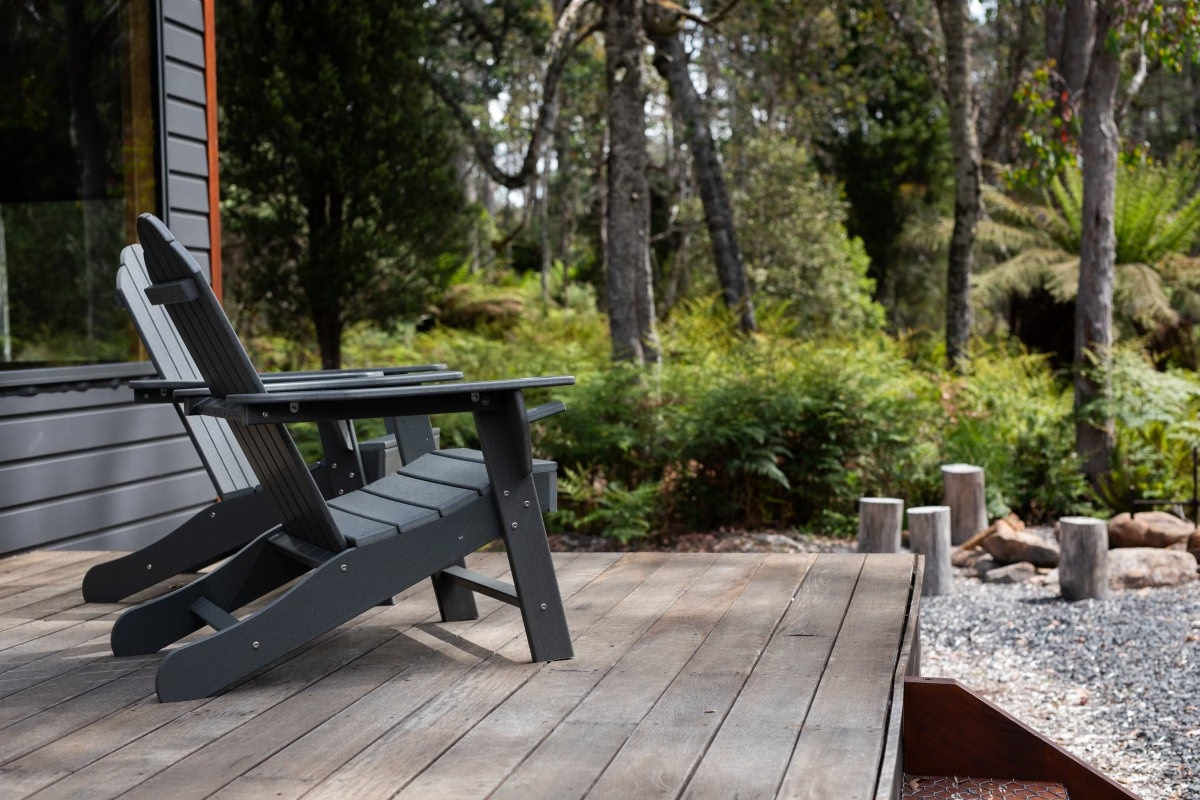
Amish Poly Furniture vs. Factory-Made Outdoor Furniture
Oct. 02, 2026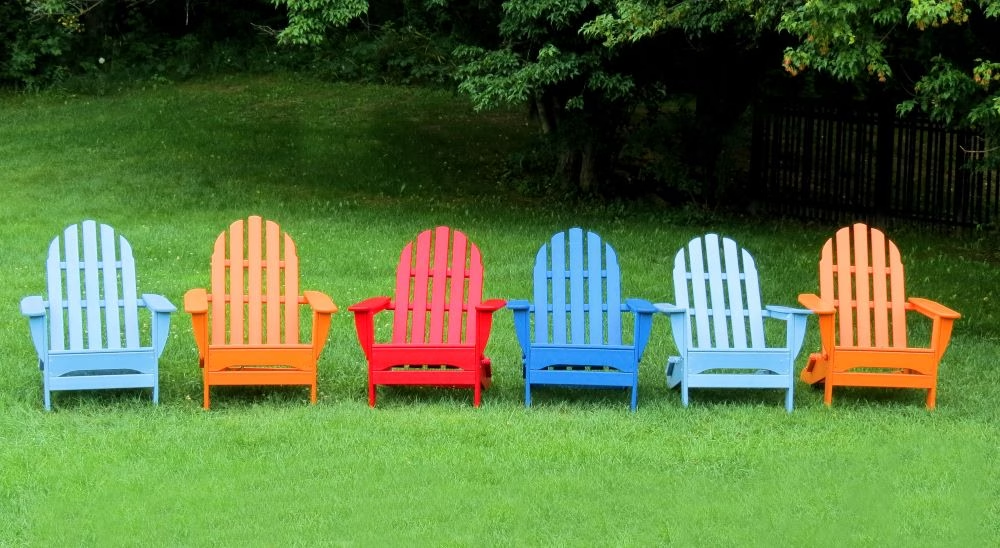
Poly Furniture Colors: How to Choose Your Perfect Palette
Oct. 01, 2026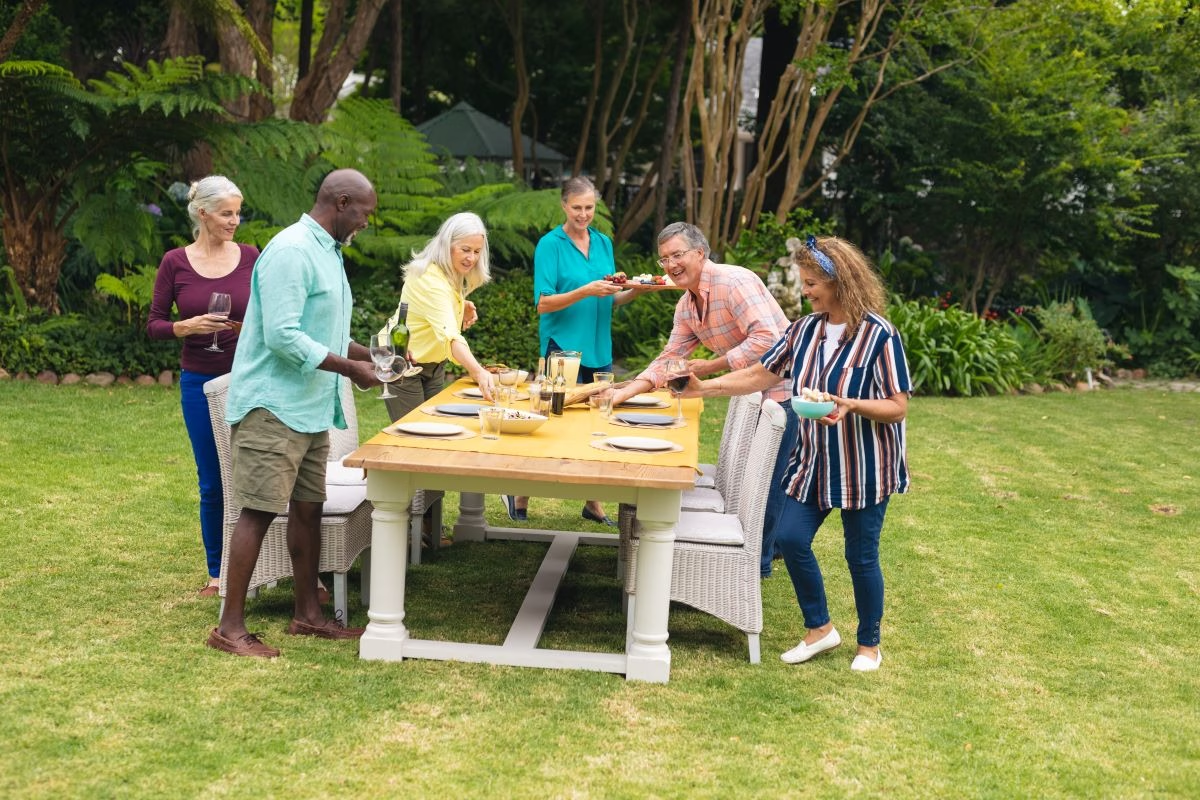
How To Choose Outdoor Dining Table Size
Sep. 02, 2026
5 Things to Look for When Buying Poly Outdoor Furniture
Sep. 02, 2026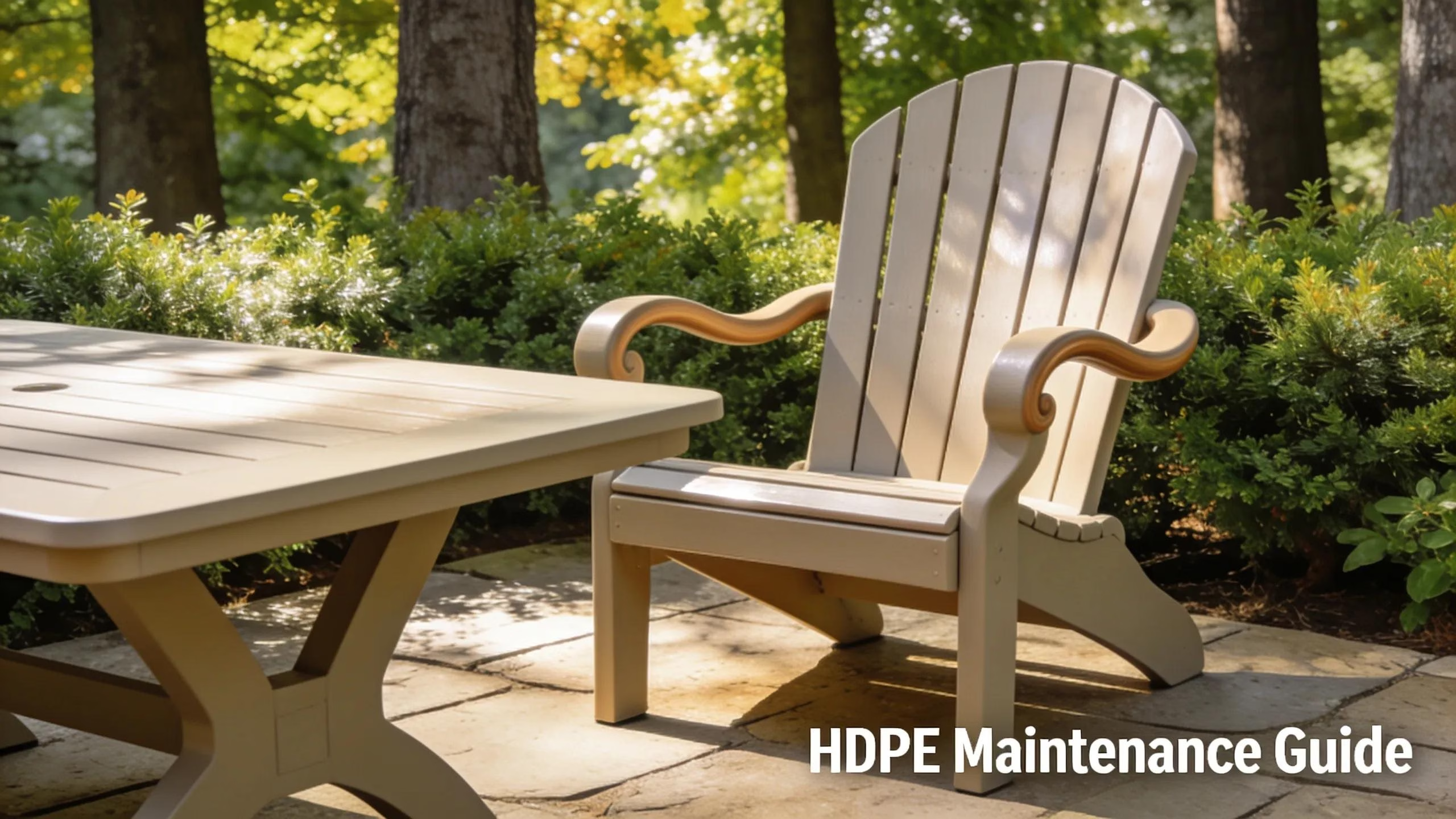
How to Clean Poly Outdoor Furniture (Step-by-Step Guide)
Aug. 06, 2026Our Categories