0
Poly Furniture
Poly vs. Wood Outdoor Furniture: A Guide to Durable Living
By
June 9, 2026
Share:
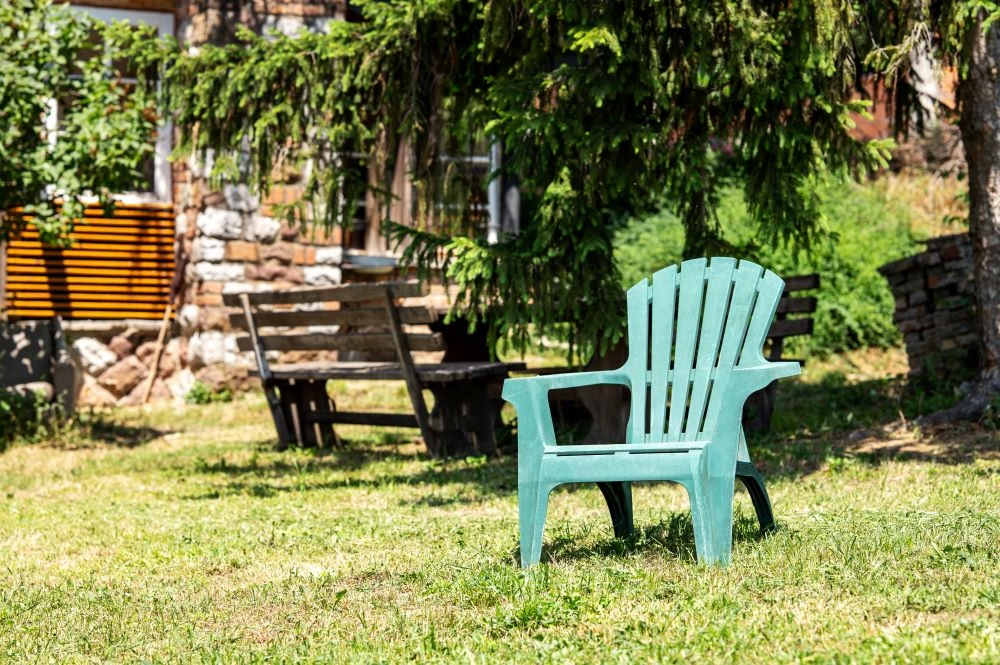
For most outdoor spaces, poly furniture is the better choice. It resists rot, cracking, and fading without any staining or sealing, and typically lasts two to three times longer than wood. Wood furniture can still be the right call if you want a specific natural look and don’t mind the upkeep that comes with it, but on pure performance, poly wins. Here’s the full breakdown so you can decide for your own situation.
Durability: How Long Does Each Material Actually Last?
Wood furniture left outdoors is fighting a losing battle against moisture from the day it’s installed. Rain and humidity soak into the grain, causing swelling that leads to warping and, eventually, cracking at the joints. Add insects and mold into the mix, and most wood patio sets show real structural wear within 5 to 15 years, even with decent care.
Poly furniture, built from high-density polyethylene, doesn’t have this problem. HDPE doesn’t absorb moisture, so there’s nothing to swell, crack, or rot. With normal use, poly furniture commonly lasts 20 years or more, and often much longer with proper construction. That’s not a marginal improvement over wood. It’s a different category of lifespan entirely.
Verdict: Poly wins decisively on durability, especially in humid or freeze-thaw climates where wood struggles most.
Maintenance: What Does Ongoing Care Actually Look Like?
Wood furniture needs a maintenance calendar. Staining or sealing every one to three years is standard to keep moisture out and prevent the wood from graying and cracking. Skip a cycle, and you’re often looking at sanding down damage before you can even reapply a finish.
Poly furniture asks for almost nothing. A rinse with soap and water a few times a season keeps it looking new. There’s no sealing, no staining, and no seasonal storage required, since poly doesn’t degrade in freezing temperatures the way wood can.
Verdict: Poly is the clear winner here too. If low maintenance matters to you, wood is fighting an uphill battle it can’t win.
Cost: Which One Actually Costs Less Over Time?
Wood furniture usually wins on sticker price. A basic cedar dining set often costs less upfront than a comparable poly set. But that number doesn’t include what comes next: recurring staining supplies, sealant, labor or professional refinishing, and the real possibility of replacing damaged pieces or the whole set within a decade.
Run the math over 10 years, and poly frequently comes out even or ahead, since its near-zero maintenance cost and much longer lifespan offset the higher purchase price. For the full dollar-by-dollar comparison, see the hidden math behind wood furniture costs.
Verdict: Wood wins on day one. Poly wins on year five and every year after.
Sustainability: Which Material Is the Better Environmental Choice?
Wood is a renewable resource, but not all of it is harvested responsibly, and furniture that needs replacing every decade means more raw material consumed over time. Poly furniture is typically made from recycled HDPE, which means each piece diverts plastic waste from landfills. Combine that with a lifespan that’s two to three times longer than wood, and poly furniture also means fewer total replacements consuming resources over the years.
Verdict: A near-tie in raw material terms, but poly’s longer lifespan gives it the edge on total environmental impact.
| Factor | Wood Furniture | Poly Furniture |
|---|---|---|
| Typical lifespan | 5–15 years | 20+ years |
| Maintenance required | Staining/sealing every 1–3 years | Occasional soap-and-water cleaning |
| Moisture resistance | Absorbs moisture, prone to warping and rot | Does not absorb moisture |
| Freeze-thaw performance | Vulnerable to cracking | Resistant, no seasonal storage needed |
| Upfront cost | Typically lower | Typically higher |
| 10-year total cost | Often higher once maintenance/replacement is factored in | Often lower or comparable |
| Sustainability | Renewable, but shorter lifespan means more replacements | Usually recycled HDPE, longer lifespan means fewer replacements |
| Aesthetic | Natural wood grain | Wide color range, Amish joinery detail |
| Best climate fit | Mild, dry climates | Humid, freezing, or high-UV climates |
| Overall verdict | Better if upfront cost and natural look matter most | Better for most homeowners prioritizing durability and low upkeep |
Which One Should You Actually Choose?
Choose wood if: you want a specific natural wood-grain look that poly can’t fully replicate, you don’t mind a seasonal maintenance routine, and you’re comfortable with a shorter furniture lifespan in exchange for that upfront savings.
Choose poly if: you want furniture that looks the same in year fifteen as it did on day one, you’d rather spend your weekends using your patio instead of maintaining it, and you’re open to a higher purchase price in exchange for lower total cost over time.
For most homeowners furnishing a patio for the long haul, that tips the decision toward poly. If you want the full picture on styles and material basics before deciding, the complete guide to choosing poly outdoor furniture covers that ground in more depth. And if teak rather than generic wood is your actual comparison point, our poly vs. teak durability breakdown digs into that specific matchup.
Popular poly options if you’re ready to compare styles include poly chairs, poly table sets, and poly porch swings.
Why Schedule a Call?
Popular Insights
How To Choose Outdoor Dining Table Size
Sep. 02, 2026
5 Things to Look for When Buying Poly Outdoor Furniture
Sep. 02, 2026
How to Clean Poly Outdoor Furniture (Step-by-Step Guide)
Aug. 06, 2026
Winter Storage Tips for Poly Outdoor Furniture: What You Actually Need to Know
Aug. 04, 2026
10 Best Patio Furniture Ideas for Small Spaces
Aug. 01, 2026Our Categories