The accelerated weathering chamber ran for months. We subjected both materials to UV exposure, moisture cycles, and temperature swings that simulated years of outdoor use.
Within weeks, traditional wood began to gray and split. Water absorption created visible damage. The surface cracked under stress.
The poly lumber samples told a different story.
After three times the exposure, they retained over 95% of their original structural integrity. No warping. No fading. No surface degradation worth measuring.
That’s when we realized this wasn’t incremental improvement. We were watching a fundamental shift in how outdoor materials operate.
The Old Definition Stopped Making Sense

Before this research, “low maintenance” meant accepting reality. You sealed wood twice a year. You expected some fading. Cracking was inevitable.
The goal was reducing degradation, not eliminating it.
But poly lumber didn’t fight the elements. It ignored them completely.
No sealing. No painting. No warping. The maintenance wasn’t reduced. It was designed out of the equation entirely.
We had to rethink what low maintenance actually means. It shifted from “care over time” to “care eliminated by design.”
When Data Becomes Real

Consumer skepticism made sense. People have been conditioned to expect tradeoffs. Durability usually costs you aesthetics or comfort.
When we told them they’d never sand, stain, or seal again, they smiled politely. Too good to be true.
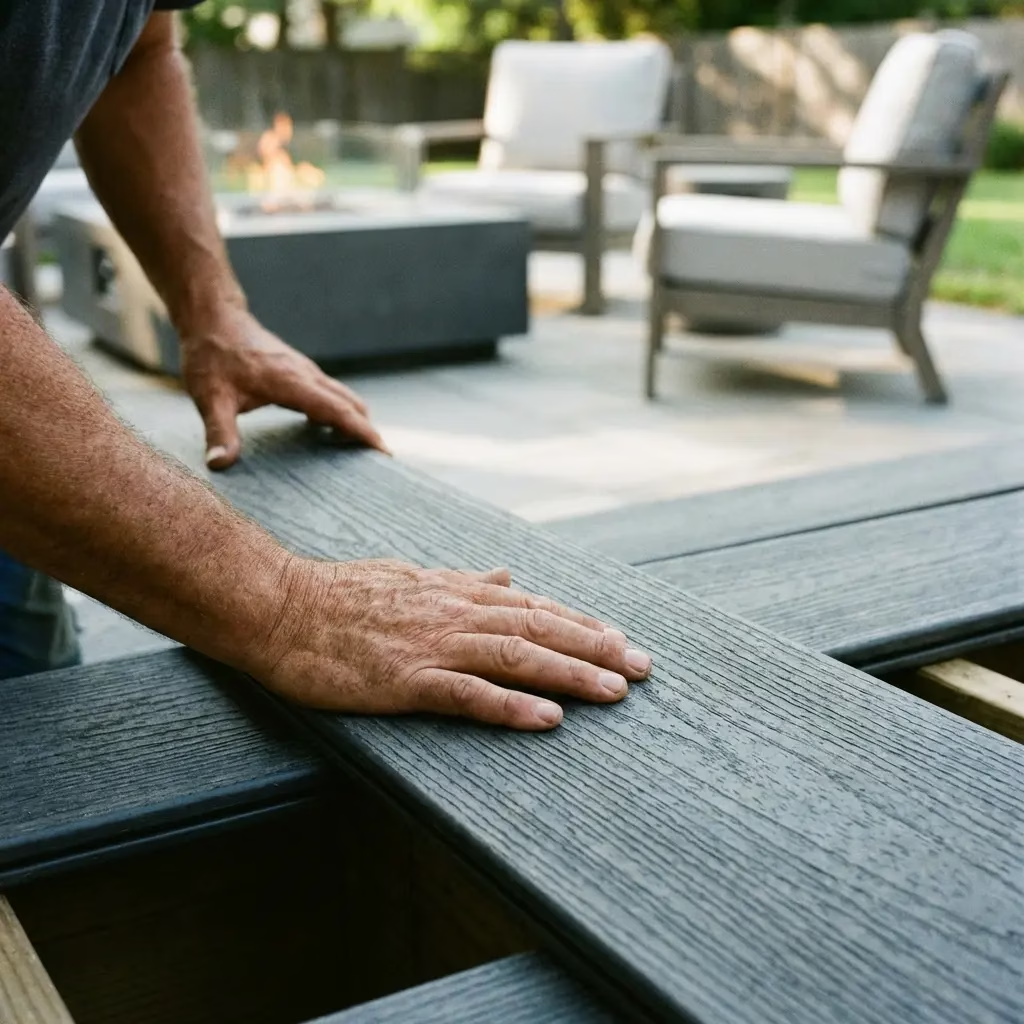
The turning point always happened when they touched the material.
Weight. Texture. Solid finish. Their hands told them what data couldn’t. The tactile experience transformed skepticism into interest instantly.
It wasn’t about convincing anymore. It was about demonstrating how materials lasting 15+ years can look and feel like wood while performing beyond it.
The Neighbor Comparison Moment

We tracked consumers over five years. The realization came during their first hard season.
Rain, snow, intense sunlight. Traditional furniture around them peeled, warped, and faded. Their poly lumber stayed vibrant and solid with zero maintenance.
One homeowner laughed as she passed her neighbor’s twisted bench. She hadn’t touched her own furniture once.
That’s when the numbers became tangible. No sanding. No sealing. No repairs. The furniture still looked brand new.
The 87% maintenance cost reduction transformed from statistics into peace of mind, year after year.
Freedom Wrapped in Relief

The emotional shift surprised us. Homeowners described feeling lighter. No seasonal obligations. No weekend projects they dreaded.
They reclaimed time. Their outdoor space stopped being a responsibility and became a place to actually live.
Some called it pride. Others called it confidence. Knowing their furniture would stay beautiful regardless of weather created genuine peace of mind.
Their investment finally benefited them instead of the other way around.
The Environmental Equation Flips

Traditional wood furniture contributes to deforestation. It requires chemical treatments. Maintenance products add ongoing environmental costs.
Poly lumber reverses this completely. It’s made from recycled milk jugs and detergent bottles. Material that would fill landfills becomes furniture that lasts decades.
The lifecycle data makes this clear. Traditional wood lasts 5 to 10 years outdoors. In 20 years, you’re replacing furniture two or three times.
Poly lumber lasts 20 years or more with no maintenance. No repeat purchases. No toxic finishes. Fewer resources consumed overall.
The investment benefits the owner while reducing environmental impact. What was once an unavoidable cost becomes a sustainability win.
What Changed in the Market

The tipping point happened when manufacturers improved both appearance and performance simultaneously.
Early poly lumber was durable but looked plastic. Recent years brought textures, colors, and grain patterns that match real wood. UV stability and moisture resistance improved at the same time.
Consumer awareness shifted too. People started valuing low maintenance and sustainability as much as aesthetics.
When buyers discovered they could have wood’s beauty without the upkeep or environmental costs, perceptions transformed. Poly lumber stopped being “good enough” and became clearly superior.
The market reflects this. 67% of consumers now say they’ll pay more for sustainable outdoor furniture.
The Assumption We Overturned

For decades, the industry believed longevity and low maintenance required sacrificing style or sustainability.
Wood was the gold standard. Beautiful but high maintenance and environmentally costly.
Our research proved poly lumber can match wood’s appearance, last decades without maintenance, and carry a lower environmental footprint.
This flips the traditional tradeoff completely.
What the Sales Tag Can’t Show

Standing in a furniture store, the choice looks simple. But the real story unfolds over time.
Poly lumber saves years of labor, thousands in maintenance costs, and eliminates environmental guilt. You get furniture that lasts decades, requires zero sanding or sealing, and stays beautiful through sun, rain, and snow.
More time enjoying your outdoor space. Less worry about maintaining it. A purchase that pays you back in freedom.
It combines independence, durability, and responsibility into a single choice. That’s what happens when care gets designed out of the equation from the start.
Related Posts
View All
Uncategorized
4min Read
Why Homeowners Are Choosing Low-Maintenance Outdoor Living Over Endless Upkeep
Something shifted in 2025. Homeowners stopped asking “How does it
Learn More
Uncategorized
4min Read
The Outdoor Living Investment Boom: What the Data Reveals About Home Value and Lifestyle Returns
Most homeowners think about outdoor furniture as a purchase. You
Learn More
Uncategorized
4min Read
Why Sustainable Materials Are Reshaping Outdoor Living and What It Means for Your Business
When you look at recycled poly lumber transforming the outdoor
Learn More