0
Poly Furniture
The Ultimate Patio Transformation Blueprint
By Scott
November 19, 2025
Share:
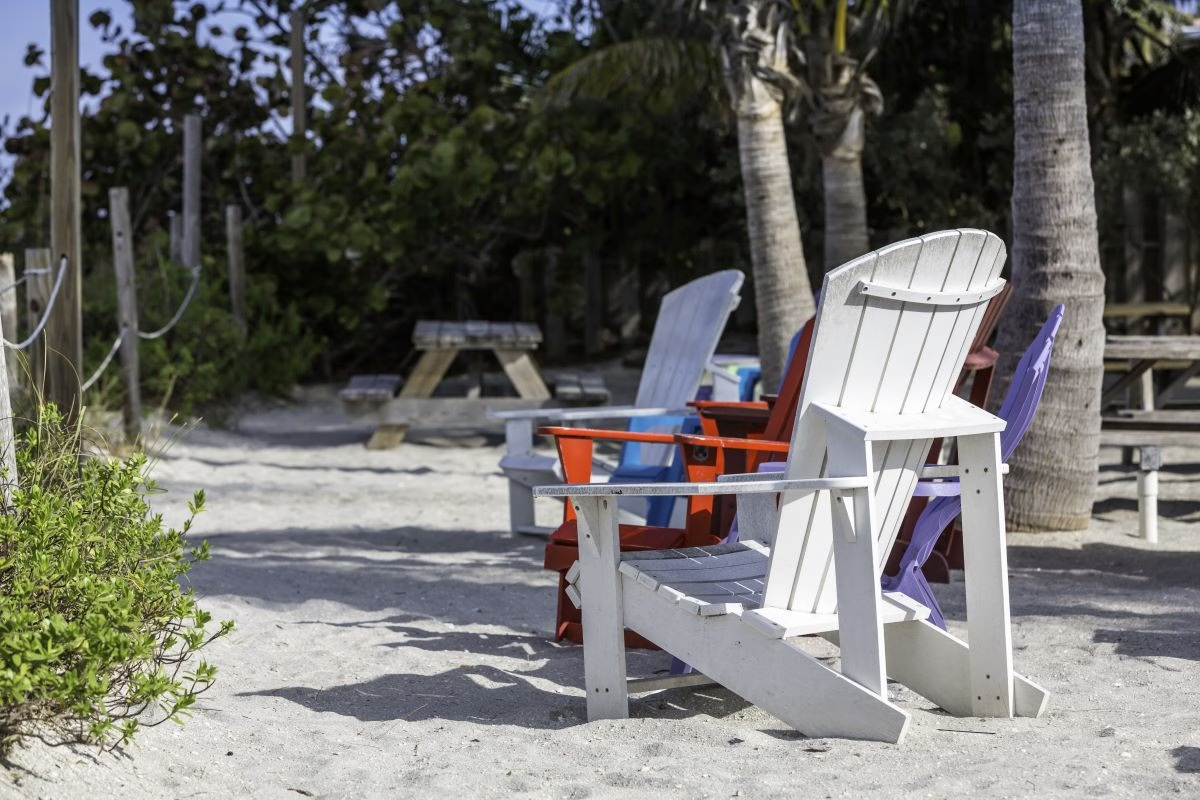
A great patio does not happen by accident. It happens through a plan that thinks through layout, seating, dining, and finishing touches before a single piece of furniture gets ordered. Whether you are starting from an empty slab or replacing furniture that has seen better days, this guide walks through every phase of a full patio transformation, from zoning the space to choosing materials that will actually hold up season after season.
What to Expect From This Guide
This blueprint is built for homeowners planning a complete patio refresh rather than a single furniture swap. We will walk through how to zone your space for different activities, how to choose seating and dining pieces that fit your patio’s size and purpose, what to look for in quality outdoor furniture, and how to bring it all together with the right accessories. By the end, you will have a clear framework for making decisions at every stage of the project, not just a list of products.
Phase 1: Planning Your Patio Layout and Zones
Before buying anything, walk your patio and think in terms of zones rather than one big open space. Most well-used patios have at least two functional areas, and larger patios often support three or more.
Common zones to consider:
- A dining zone for meals and entertaining
- A lounge or conversation zone with comfortable seating
- A quiet corner zone, often built around a two-seater or accent chairs
- A transition zone near the door that handles foot traffic without crowding the rest of the space
Measure your patio before committing to zone sizes. A dining set needs enough clearance for chairs to slide out comfortably, typically at least 36 inches of space behind each seat. Lounge zones need less precise measurement but should feel open enough for conversation, not cramped against a railing or wall.
If your patio is small, do not try to force every zone into the space. A single well-chosen dining set or a compact two-seater with a side table can outperform a cluttered patio trying to do too much.
Phase 2: Choosing the Right Seating
Seating is usually the first purchase homeowners make, and it sets the tone for the rest of the space.
Chairs and Chair Sets
Individual chairs and chair sets work well for lounge zones and smaller patios where flexibility matters. Look for chairs with contoured seating for comfort during longer gatherings, and consider whether you want a rocking or stationary design. Poly outdoor chairs and chair sets hold their shape and color for years without the sagging or fading common with fabric-covered patio chairs.
Benches
Benches are an underused option for patios that need flexible seating without the footprint of multiple chairs. A bench along a wall or railing can seat two to three people and works well paired with a dining table or as standalone lounge seating. Poly benches also hold up better outdoors than cushioned bench seating, which tends to trap moisture.
Two-Seaters
For smaller patios or a quiet reading corner, a two-seater offers a cozy footprint without sacrificing comfort. This is a strong option for the transition or quiet zone discussed in Phase 1. Poly two-seaters bring the same durability as larger pieces in a size that fits tighter spaces.
Phase 3: Building the Dining Zone
The dining zone is often the anchor of a patio transformation, especially for homeowners who entertain regularly.
Start with seating capacity. A table that seats four works for most everyday households, but if you regularly host extended family or friends, size up to a six-person set to avoid running out of space during gatherings. Poly patio table sets come in a range of sizes and shapes to match your zone’s footprint.
When choosing a dining table, consider:
- Table shape. Round tables encourage conversation and fit tighter corners. Rectangular tables maximize seating capacity for larger groups.
- Table height. Standard dining height suits full meals, while bar height works well for casual entertaining and pairs naturally with a patio bar table.
- Material durability. Outdoor dining furniture takes constant exposure to sun, rain, and temperature swings, so material choice matters more here than almost anywhere else on the patio.
Phase 4: What to Look for in Quality Outdoor Furniture
Not all outdoor furniture is built to the same standard, and this is where many patio transformations run into trouble a few years down the line.
Material durability. Look for materials that resist rot, cracking, splintering, and moisture absorption. Recycled HDPE poly lumber is engineered specifically to avoid these failure points, unlike untreated wood or low-grade resin wicker.
Color that runs through the material. Furniture with color only on the surface will chip and fade unevenly. Poly lumber’s color runs through the entire board, so scratches and wear are far less noticeable over time.
Construction quality. Look closely at joinery and hardware. Amish-built poly furniture uses traditional woodworking techniques adapted to poly lumber, which typically means tighter joints and sturdier construction than mass-produced imports.
Weather resistance across seasons. If your patio sees real winters, confirm the furniture can handle freezing temperatures without becoming brittle or cracking, not just summer sun.
Maintenance requirements. Ask what upkeep is actually required. Furniture that needs annual staining, sealing, or oiling adds real cost and effort over the life of your patio, even if the upfront price looks appealing.
Phase 5: Selection Criteria and Sizing Guide
Use this checklist when evaluating furniture for each zone of your patio:
| Criteria | What to Check |
|---|---|
| Seating capacity | Does it match your typical group size, not just your largest occasion? |
| Footprint | Will it fit the zone with proper clearance for movement? |
| Material | Does it resist rot, fading, and moisture without ongoing upkeep? |
| Style consistency | Does it match the material and finish of other zones on the patio? |
| Weather rating | Is it built for your region’s full range of seasons, not just summer? |
| Warranty | What does the manufacturer guarantee, and for how long? |
For sizing, a general rule of thumb: leave at least 3 feet of walking space around any seating or dining zone, and avoid placing furniture directly against high-traffic pathways to the house or yard.
Key Questions to Ask Before Buying
Before finalizing any patio furniture purchase, it is worth asking a few direct questions:
- What is this piece made from, and how does that material perform outdoors long-term?
- What maintenance is required to keep it looking new, and how often?
- How is it constructed, and does the joinery look built to last?
- Does the manufacturer back it with a meaningful warranty?
- Will this piece still make sense for my patio in five or ten years, or is it a short-term fix?
Asking these questions upfront saves homeowners from replacing furniture piece by piece within a few seasons, which is one of the most common and costly mistakes in a patio transformation.
Bringing It All Together With Accessories
Once the major zones and furniture pieces are in place, accessories tie the space together. Side tables next to lounge seating, planters to soften hard edges, and lighting to extend usability into the evening all make a patio feel finished rather than assembled. Patio accessories built from the same poly lumber as your main furniture keep the look and durability consistent across the entire space, rather than mixing materials that age at different rates.
Final Recommendations by Use Case
For small patios: Prioritize a single well-chosen dining set or a two-seater with a side table over multiple zones. Choose furniture that can pull double duty rather than trying to fit every zone into limited square footage.
For families who entertain often: Build around a six-person or larger dining set as the anchor, with a secondary lounge zone using benches or chair sets for overflow seating during larger gatherings.
For lake houses and vacation properties: Prioritize weather resistance and low maintenance above all else, since these spaces often sit unattended between visits and need to hold up without regular care.
For long-term homeowners planning a “forever” patio: Invest in quality construction and durable materials from the start. As covered in our piece on why zero-maintenance poly furniture is dominating luxury backyards, furniture built to last decades ultimately costs less and delivers more consistent enjoyment than furniture that needs replacing every few years.
Ready to Start Your Patio Transformation?
A successful patio transformation comes down to planning zones thoughtfully, choosing seating and dining pieces sized to your actual needs, and prioritizing materials built to last through every season. Shop the full poly furniture collection to find Amish-built, zero-maintenance pieces for every zone of your patio, backed by craftsmanship and materials designed to perform for decades, not just a season or two. To understand more about why this material outperforms traditional options, see our guide on why poly furniture outlasts traditional wood.
Why Schedule a Call?
Popular Insights
Amish Poly Furniture vs. Factory-Made Outdoor Furniture
Oct. 02, 2026
Poly Furniture Colors: How to Choose Your Perfect Palette
Oct. 01, 2026
How To Choose Outdoor Dining Table Size
Sep. 02, 2026
5 Things to Look for When Buying Poly Outdoor Furniture
Sep. 02, 2026
How to Clean Poly Outdoor Furniture (Step-by-Step Guide)
Aug. 06, 2026Our Categories