0
Outdoor Furniture
Poly Outdoor Furniture in Tennessee: Durable & All-Weather Living
By Deepak
June 16, 2026
Share:
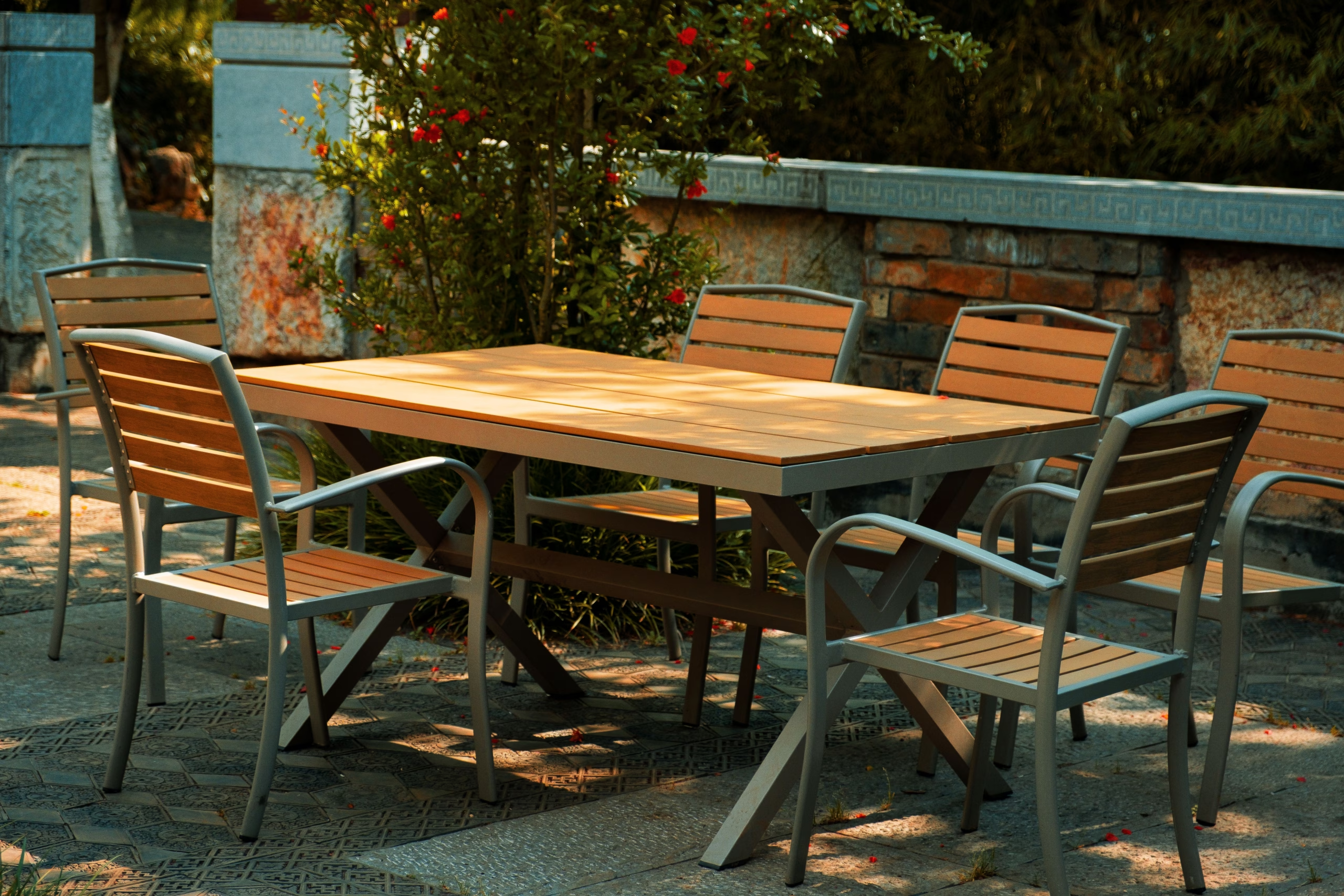
Poly outdoor furniture has become an important part of modern home design across Tennessee. Whether it’s enjoying family meals on the patio, gathering around a fire pit with friends, or relaxing on the porch after a long day, homeowners need furniture that can handle changing weather conditions while maintaining its appearance and comfort.
This is one reason why poly outdoor furniture in Tennessee continues to grow in popularity. Made from durable recycled poly lumber and crafted for long-term outdoor use, poly furniture offers a practical alternative to traditional wood furniture. At TimberCraft Poly Furniture, homeowners can find Amish-crafted outdoor furniture designed to withstand the unique climate challenges of Tennessee while delivering timeless style and comfort.
What Makes Poly Outdoor Furniture Different?

Poly furniture is manufactured using high-density polyethylene (HDPE), a material often created from recycled plastics. Unlike wood, poly lumber does not absorb moisture, crack, splinter, or rot over time.
This makes it particularly valuable in Tennessee, where outdoor furniture is exposed to:
- Hot summer temperatures
- High humidity
- Seasonal rainfall
- UV exposure
- Temperature fluctuations
Because poly furniture is engineered to resist these conditions, it maintains its appearance and structural integrity for years with very little maintenance.
Why Poly Outdoor Furniture Holds Up So Well in Tennessee’s Climate
Tennessee experiences a wide range of weather conditions throughout the year. Furniture that performs well in one season may struggle in another.
Poly furniture offers several advantages:
Moisture Resistance
Wood can absorb moisture and eventually warp or rot. Poly furniture repels water, helping prevent damage caused by rain and humidity.
UV Protection
Direct sunlight can cause some outdoor materials to fade. Quality poly furniture contains UV-resistant properties that help preserve color and appearance.
Minimal Maintenance
Unlike traditional wood furniture, poly furniture does not require annual staining, painting, or sealing.
Long-Term Value
While the initial investment may be higher than lower-quality alternatives, the durability and low-maintenance nature of poly furniture often make it more cost-effective over time.
How Does Amish Craftsmanship Improve Quality?
Not all outdoor furniture is built the same. At TimberCraft Poly Furniture, every piece reflects the attention to detail and quality associated with traditional Amish craftsmanship.
Carefully constructed furniture provides:
- Strong joinery and stability
- Long-lasting durability
- Comfortable designs
- Timeless aesthetics
- Reliable year-round performance
This combination of craftsmanship and premium materials creates furniture that homeowners can enjoy for decades.
Why Poly Outdoor Furniture Is a Smart Investment in Tennessee
For many homeowners, the patio serves as an outdoor dining room and gathering place. A poly outdoor table set creates a durable and attractive space for entertaining family and friends.
Benefits include:
- Comfortable outdoor dining
- Weather-resistant materials
- Easy maintenance
- Long-lasting color retention
- Suitable for residential and commercial use
Whether hosting a weekend barbecue or enjoying a quiet evening meal outdoors, a poly dining set provides functionality and style without the maintenance demands of traditional wood furniture.
Sustainable Outdoor Furniture for Modern Homeowners
Sustainability is becoming an important factor for many consumers. Poly furniture helps support environmental responsibility by repurposing recycled plastics into durable outdoor products.
By choosing poly furniture, homeowners can enjoy premium outdoor furnishings while helping reduce landfill waste and supporting eco-friendly manufacturing practices.
What Products Pair Well with Poly Dining Furniture?
Creating a complete outdoor living space often involves combining several furniture categories.
Popular combinations include:
- Adirondack chairs and side tables
- Outdoor poly swings
- Outdoor poly benches
- Dining sets
- Fire pit furniture
- Gliders and rockers
TimberCraft Poly Furniture offers coordinated collections that allow homeowners to create a cohesive and inviting outdoor environment.
Does poly furniture hold up in Tennessee’s summer humidity?
Yes. Poly furniture doesn’t absorb moisture the way wood does, so the humidity common in West and Middle Tennessee doesn’t cause the swelling, warping, or mold risk that affects untreated wood.
Can poly furniture handle winter freezes in East Tennessee?
Yes. Because poly furniture doesn’t hold moisture inside the material, there’s nothing to freeze and expand, which means it resists the cracking that wood can experience during hard freezes at higher elevations.
Will poly furniture fade after repeated Tennessee summers?
Quality poly furniture resists fading because its color runs through the entire board rather than sitting on the surface, holding up better than painted or stained wood under repeated sun exposure.
Do I need different furniture for different parts of Tennessee?
Not with poly furniture. Its resistance to both moisture and freeze damage means the same furniture performs well whether it’s in humid West Tennessee, storm-prone Middle Tennessee, or the colder elevations of East Tennessee.
Why Schedule a Call?
Popular Insights
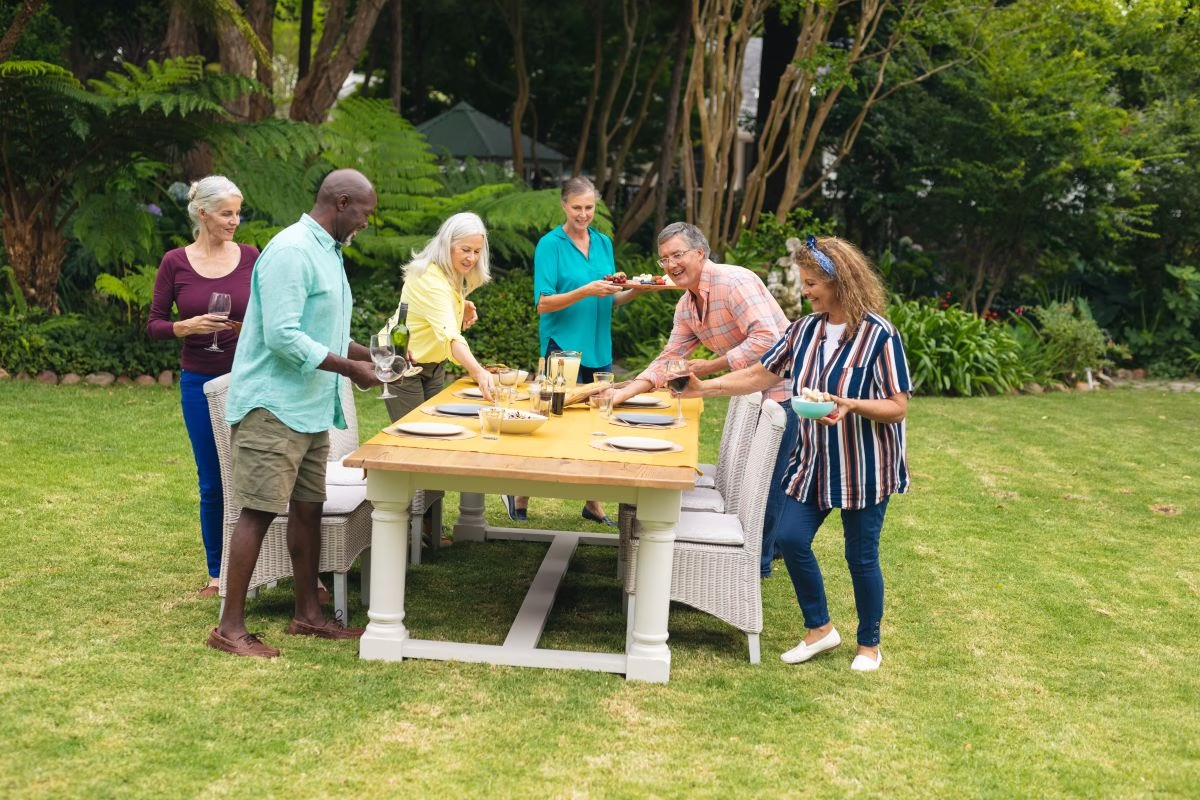
How To Choose Outdoor Dining Table Size
Sep. 02, 2026
5 Things to Look for When Buying Poly Outdoor Furniture
Sep. 02, 2026
How to Clean Poly Outdoor Furniture (Step-by-Step Guide)
Aug. 06, 2026
Winter Storage Tips for Poly Outdoor Furniture: What You Actually Need to Know
Aug. 04, 2026
10 Best Patio Furniture Ideas for Small Spaces
Aug. 01, 2026Our Categories