0
Poly Furniture
The Recycled Poly Furniture Revolution: Sustainable Outdoor Living
By Scott
February 12, 2026
Share:

Recycled poly furniture is no longer a niche choice for environmentally conscious buyers, it’s becoming the default expectation. Homeowners, parks, resorts, and commercial outdoor spaces are increasingly choosing furniture built from recycled high-density polyethylene (HDPE) instead of wood or virgin plastic, and the shift is driven by more than good intentions. Recycled poly furniture holds up longer, costs less to maintain, and genuinely reduces waste, which is a combination that’s hard to argue with once you look at the numbers.
Why the Market Is Moving Toward Recycled Poly
This isn’t a niche trend anymore. Spherical Insights projects the global recycled plastic outdoor furniture market to grow from $5.91 billion in 2025 to $10.9 billion by 2035, and points to durability, low maintenance, and moisture and UV resistance as the main reasons buyers are making the switch. For manufacturers, that means aligning product lines with genuine sustainability, not just marketing language, in order to stay competitive as demand keeps climbing.
The Environmental Case, and Why It Holds Up
The environmental benefits of recycled poly furniture are real, not just a talking point. Using HDPE sourced from post-consumer plastics, milk jugs, detergent bottles, and similar packaging, cuts down on landfill waste and reduces the need for new plastic production. Producing recycled HDPE also typically takes less energy than making new plastic from scratch, which lowers the overall footprint of the furniture before it’s even assembled.
Buyer demand backs this up at scale. PwC’s 2024 Voice of the Consumer Survey, based on more than 20,000 consumers across 31 countries, found that 80% of consumers are willing to pay more for sustainably produced or sourced products, with buyers willing to spend an average of 9.7% more even amid cost-of-living pressures. That’s not a fringe preference anymore, it’s close to a market expectation.
Buyers who want to verify a sustainability claim for themselves should still look for two things: the actual percentage of recycled content, and evidence backing up the stated lifespan. Vague claims without either of those are worth being skeptical of.
How Amish Craftsmanship Fits In
Material alone doesn’t make good furniture, construction does. Amish craftsmen bring the same joinery techniques and attention to detail they’ve long applied to wood furniture, now paired with recycled poly lumber instead. That combination gives you furniture that’s both structurally sound and genuinely sustainable, rather than one at the expense of the other.
Quality standards matter here too. Amish-made poly furniture is built from high-grade recycled HDPE, assembled with precision joinery, and finished for weather resistance and easy cleaning, the kind of construction quality that extends the material’s already long lifespan even further and keeps maintenance needs low for the life of the piece.
Recycled Poly vs. Wood and Metal
Compared to traditional materials, recycled poly holds up well across the factors that actually matter to buyers:
| Factor | Wood | Metal | Recycled Poly (HDPE) |
|---|---|---|---|
| Durability | Vulnerable to rot and insect damage | Prone to corrosion | Resists rot, cracking, and pests |
| Maintenance | Staining and sealing required | Rust prevention needed | Occasional cleaning only |
| Raw material impact | Relies on timber harvesting | Requires new resource extraction | Diverts existing plastic waste |
| Weather resistance | Warps and fades without upkeep | Can corrode or overheat | Stable across humidity, sun, and cold |
Wood still has real appeal for buyers who want that specific natural material and don’t mind the maintenance that comes with it, but on durability and total environmental impact, recycled poly comes out ahead in most side-by-side comparisons.
Which Poly Pieces Make the Most Sense
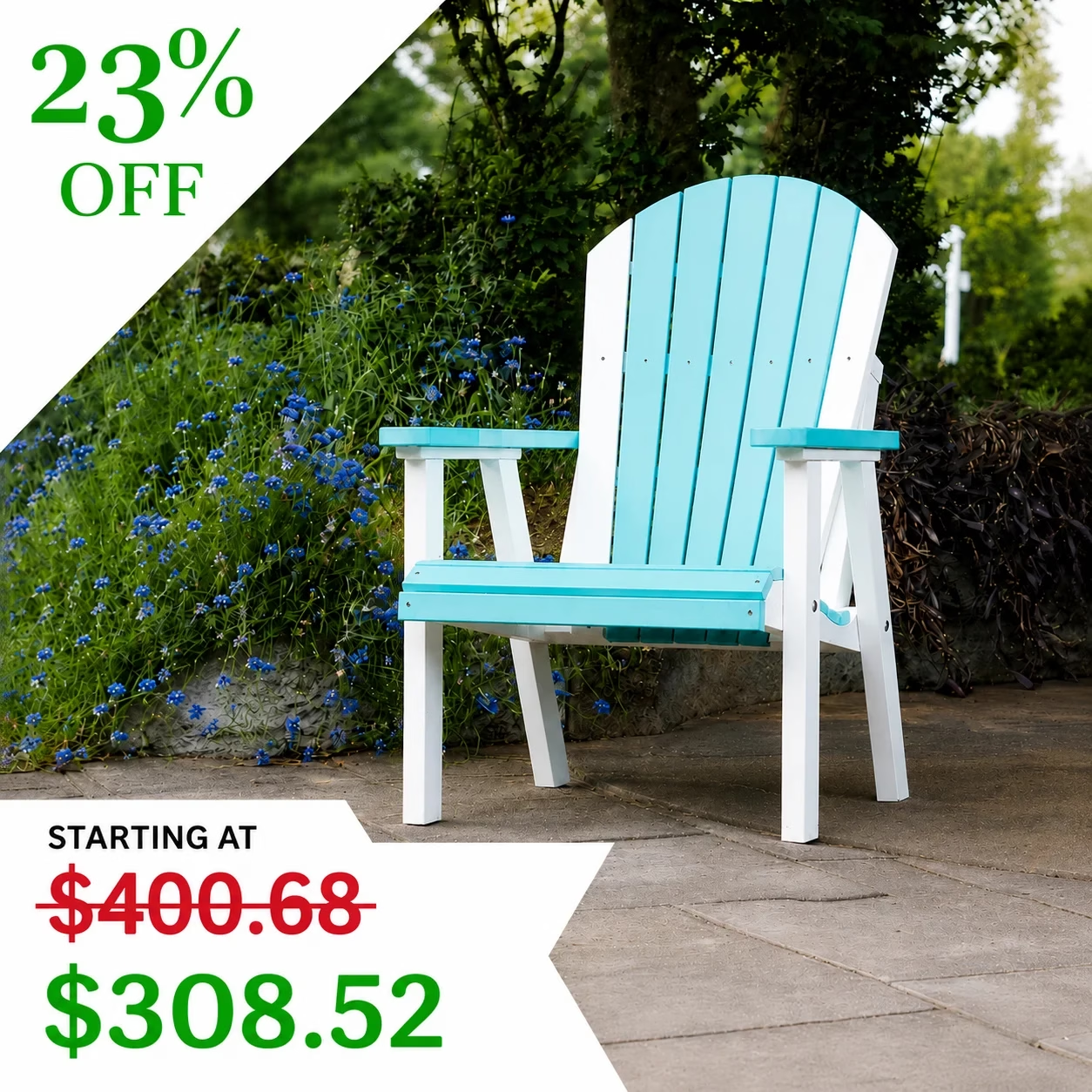
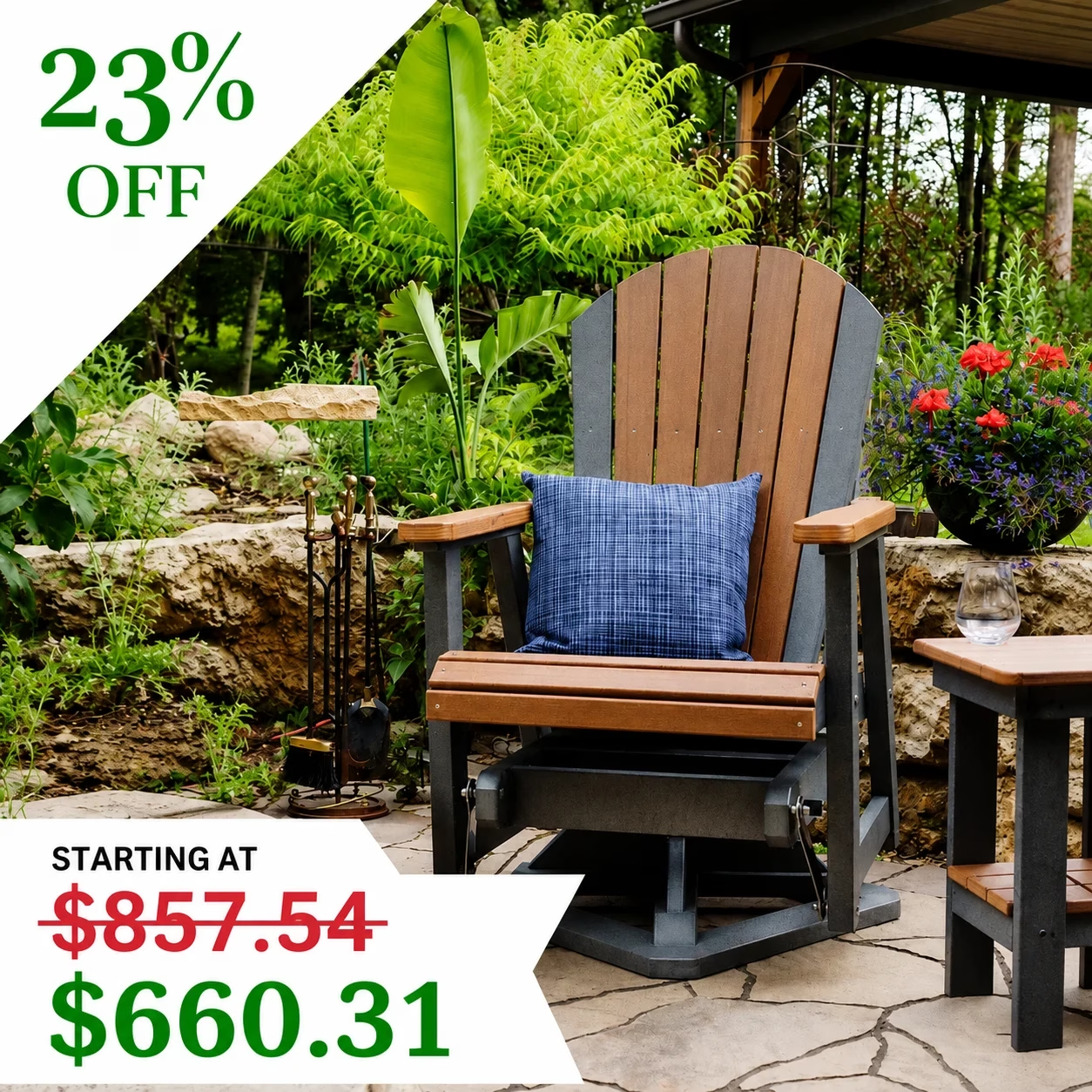
TimberCraft Poly’s product lineup reflects how versatile recycled poly furniture has become. Poly Adirondack chairs combine comfort with the same durability that defines the material, and they’re available in a range of colors to fit different outdoor styles. Porch swings bring a relaxed, breezy feel to a patio or porch while holding up to the same weather exposure as the rest of your outdoor furniture.
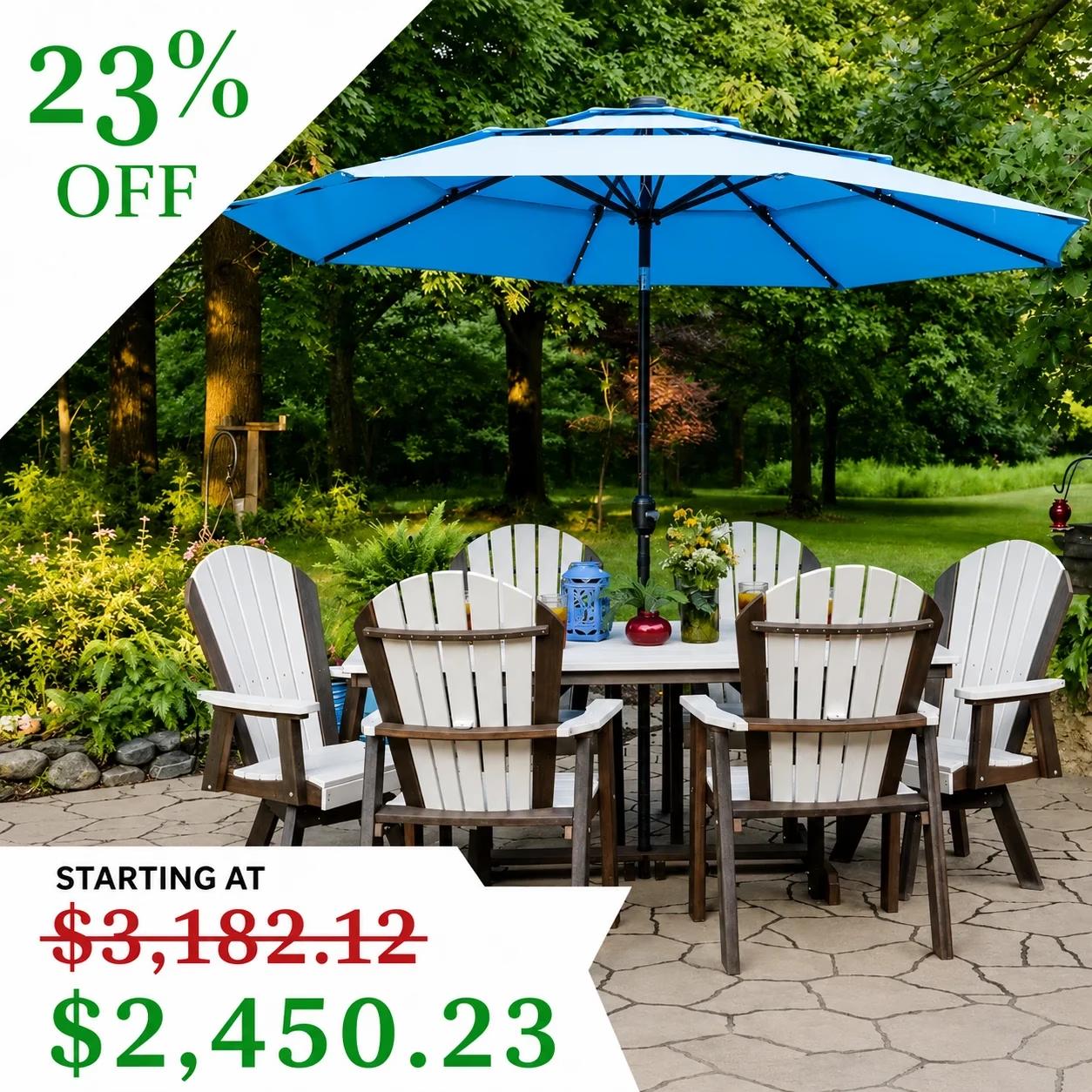
For entertaining, dining sets and table sets built from recycled poly offer the same durability without the upkeep wood dining furniture demands, and benches round out a setup when you need extra seating without adding more individual chairs.
Keeping It Looking Good, and What That Saves You
Recycled poly furniture asks for very little to stay in good shape. A mild soap solution and a soft cloth handle routine cleaning, avoid abrasive cleaners that could dull the surface, and check periodically for wear, especially before heavy-use seasons.
That low-maintenance profile translates directly into savings. Furniture that doesn’t need staining, sealing, or frequent repairs costs less over its lifetime, even when the upfront price is higher than lower-quality alternatives. Resistance to weathering and pests means fewer replacements too, so the total cost of ownership usually favors poly once you run the numbers over five or ten years.
Frequently Asked Questions
What is the impact of using recycled materials on product pricing?
Use of recycled materials such as HDPE can affect pricing structure. Initial unit costs may be comparable to or marginally higher than conventional materials due to recycling and processing inputs; however, reduced lifecycle maintenance and replacement costs can offset those differences. Firms may also incorporate sustainability into pricing strategies to reflect verified environmental value.
How can consumers ensure they are purchasing truly eco-friendly outdoor furniture?
Consumers should verify third-party sustainability certifications and review lifecycle assessment data where available. Examination of a manufacturer’s sourcing disclosures and independent verification provides objective evidence to support eco-friendly claims.
What role does consumer education play in the growth of recycled poly furniture?
Consumer education is a critical driver of market adoption. Increased awareness of environmental impacts and material alternatives empowers purchasers to select sustainable products, thereby signalling demand that encourages manufacturers to invest in recycled material offerings.
What are some common misconceptions about recycled poly furniture?
Common misconceptions include assumptions that recycled poly is less durable or less attractive than traditional materials. Evidence and product developments demonstrate that poly lumber can exceed the durability of many wood and metal options and that contemporary design and craftsmanship enable a full range of appealing aesthetics.
How does the manufacturing process of recycled poly lumber minimize environmental impact?
Recycled poly production utilises post-consumer plastics, diverting waste from landfill and reducing reliance on virgin polymer production. The process generally requires less energy than manufacturing virgin plastic, lowers greenhouse gas emissions and conserves natural resources as part of responsible production practices.
Can recycled poly furniture be customized for different styles and needs?
Yes. Many manufacturers offer customisation options for recycled poly furniture, including colour selections, configurations and style variations to meet specific design and spatial requirements while maintaining sustainability objectives.
Conclusion
Recycled poly lumber is a practical step forward for sustainable outdoor furniture, combining real durability with a genuinely lower environmental footprint. Homeowners get furniture that needs less upkeep and lasts longer, while also making a purchase that holds up to scrutiny on sustainability, not just on paper. If you want to see how that durability compares directly against traditional wood furniture, our poly furniture vs. wood furniture breakdown covers that side by side.
Why Schedule a Call?
Popular Insights

How To Choose Outdoor Dining Table Size
Sep. 02, 2026
5 Things to Look for When Buying Poly Outdoor Furniture
Sep. 02, 2026
How to Clean Poly Outdoor Furniture (Step-by-Step Guide)
Aug. 06, 2026
Market Trends in Recycled Poly Outdoor Furniture
Aug. 04, 2026
10 Best Patio Furniture Ideas for Small Spaces
Aug. 01, 2026Our Categories