0
Outdoor Furniture
Why Sustainable Materials Are Reshaping Outdoor Living
By Scott
January 28, 2026
Share:
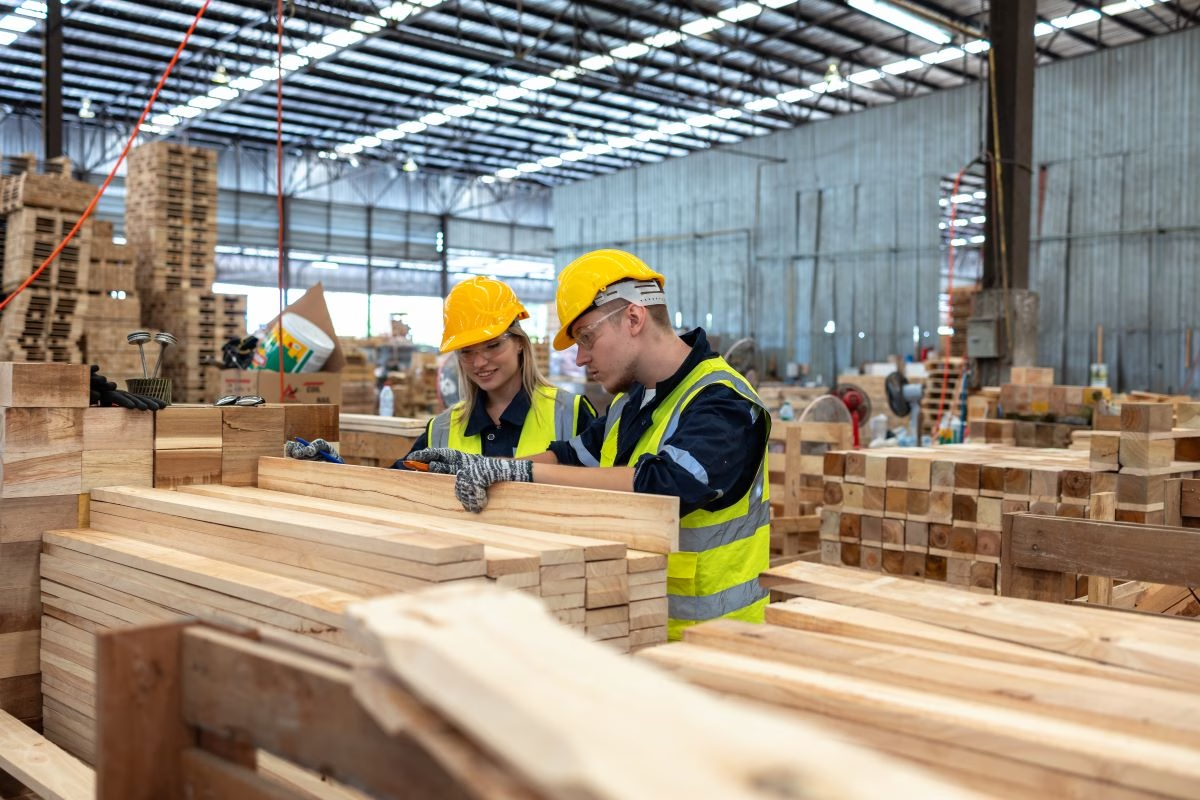
Sustainable materials are reshaping outdoor living because they solve two problems at once: they reduce the raw resources consumed to make furniture, and they last long enough that fewer replacements are needed over time. Recycled HDPE, the material behind most poly outdoor furniture, including poly dining table sets, is at the center of this shift, since it repurposes existing plastic waste into furniture built to last decades rather than seasons. That combination of lower input and longer output is what separates a genuinely sustainable material from one that simply markets itself that way.
What Does “Sustainable Material” Actually Mean Here?
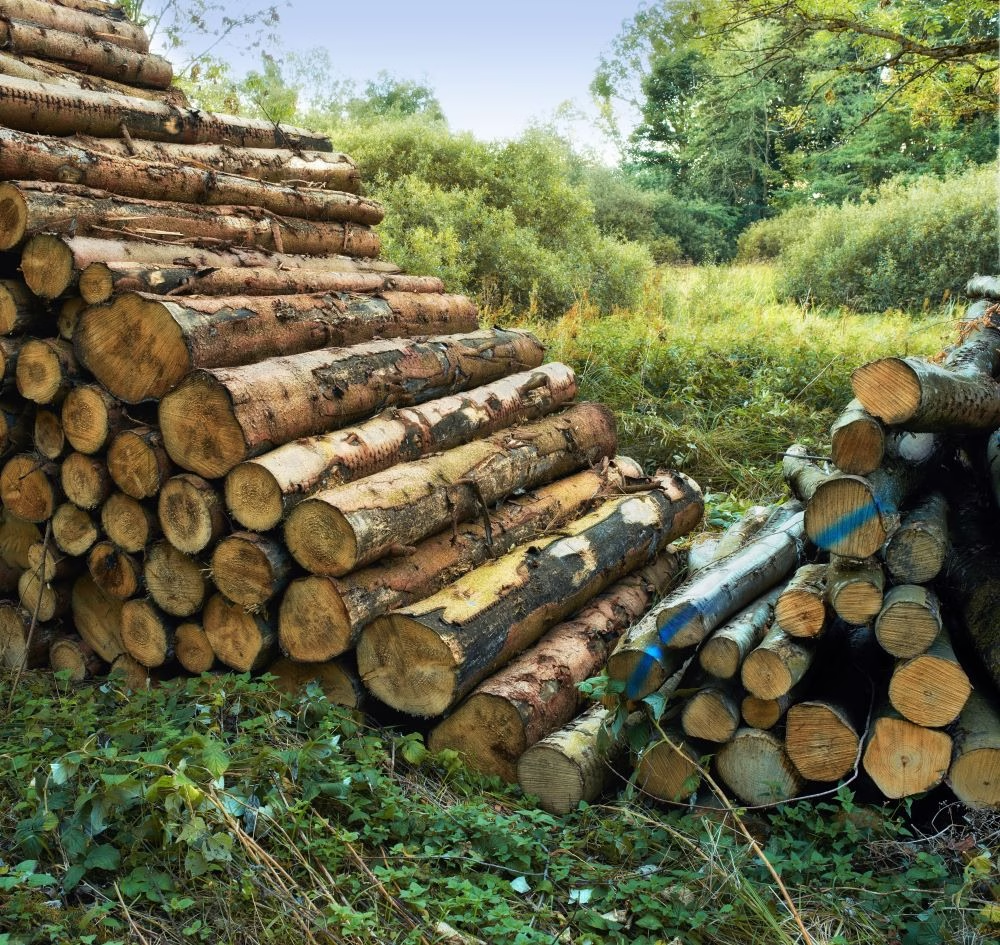
The word “sustainable” gets used loosely in furniture marketing, so it’s worth being specific about what it means in this context. A sustainable outdoor furniture material should do at least two things: reduce dependence on newly extracted raw materials, and last long enough that it doesn’t need frequent replacement, since replacement itself carries an environmental cost in manufacturing, packaging, and shipping.
Recycled HDPE checks both boxes. It’s made primarily from post-consumer plastics, like milk jugs and detergent bottles, that would otherwise sit in a landfill or incinerator. And because HDPE resists the rot, cracking, and fading that shortens the life of wood and lower-grade plastic furniture, it avoids the replacement cycle that undercuts the sustainability of many other materials.
How Recycled HDPE Is Sourced and Processed
The process starts with post-consumer plastic waste, primarily HDPE containers collected through standard recycling streams. That plastic is sorted, cleaned, and melted down, then reformed into dense, lumber-style boards rather than thin sheets. Color is typically mixed in during this stage so it runs through the entire board rather than sitting on the surface, which is part of why the material resists fading and chipping over time.
Amish craftsmen then work this poly lumber using the same joinery techniques traditionally applied to wood, routed joints, precise measurements, and reinforced stress points, so the finished piece, whether it’s a poly Adirondack chair or a full dining set, holds structural integrity for as long as the material itself lasts. The sustainability story doesn’t end at sourcing. It continues through how the material is built into furniture that’s actually meant to be kept.
Why Lifespan Is a Sustainability Factor, Not Just a Durability One
It’s easy to treat “durable” and “sustainable” as separate qualities, but for furniture, they’re deeply connected. A piece of furniture that lasts 25 years replaces a piece of furniture that would otherwise need remaking, reshipping, and repackaging two or three times over that same period, each cycle consuming its own raw materials and energy.
This is why poly furniture’s long service life matters as much to its sustainability profile as the recycled content itself. A material sourced sustainably but built into furniture that fails within a few years doesn’t deliver much net environmental benefit. Poly furniture’s combination of recycled sourcing and multi-decade lifespan is what makes the sustainability claim hold up under real scrutiny; see why poly furniture outlasts traditional wood for a closer look at what drives that lifespan.
How Does This Compare to Other Materials’ Environmental Impact?
| Material | Raw Material Impact | Lifespan | Replacement Frequency |
|---|---|---|---|
| Recycled HDPE (poly) | Diverts existing plastic waste | 20-30+ years | Rare |
| Virgin wood (non-certified) | Consumes new timber | 5-15 years with maintenance | Common |
| Certified sustainable teak | Renewable, but still virgin timber | 10-20 years with maintenance | Occasional |
| Metal (uncoated/low-grade) | Requires new resource extraction and energy-intensive processing | 5-10 years before rust/corrosion | Common |
Wood, even when responsibly sourced, still represents virgin material consumption every time a piece is replaced, a gap our poly vs. teak durability comparison covers in more depth. Metal production is energy-intensive, and lower-grade metal furniture often fails well before higher-end options. Poly’s combination of recycled input and long lifespan gives it an advantage on both ends of the equation that few other outdoor furniture materials can match simultaneously.
Is This Actually Sustainable, or Just Marketed That Way?
This is a fair question to ask, and one worth answering directly rather than deflecting. Not every “eco-friendly” furniture claim holds up under scrutiny. Some products use a small percentage of recycled content while presenting themselves as fully sustainable, and durability claims aren’t always backed by real-world data.
The honest answer for recycled HDPE poly furniture: the sustainability case rests on two verifiable facts, not marketing language. First, the raw material genuinely comes from post-consumer recycled plastic, not virgin plastic dressed up with green branding. Second, the lifespan claims are grounded in the material’s actual physical properties, resistance to moisture, UV degradation, and cracking, not just a warranty length chosen for marketing purposes. When evaluating any furniture material’s sustainability claims, ask specifically what percentage is recycled and what evidence supports the stated lifespan. Vague claims without those two answers are worth treating skeptically.
FAQs
Is recycled HDPE furniture actually made from recycled plastic?
Yes, in most cases. Quality poly furniture is manufactured primarily from post-consumer recycled plastics like milk jugs and detergent bottles, melted down and reformed into dense furniture-grade lumber.
Does furniture lifespan really affect its environmental impact?
Yes. Furniture that needs to be replaced every few years consumes additional raw materials, energy, and shipping resources with each replacement, so a longer-lasting material reduces environmental impact even beyond its initial sourcing.
How can I tell if a furniture brand’s sustainability claims are genuine?
Look for specifics: the percentage of recycled content used, and evidence supporting stated lifespan claims. Vague statements without these details are worth questioning.
Is poly furniture more sustainable than certified sustainable teak?
Poly furniture generally has an edge, since it’s made from recycled material rather than virgin timber, and its typical lifespan is often longer than teak’s, even with regular maintenance.
Can poly furniture be recycled again at the end of its life?
Yes. HDPE can be recycled a second time once a piece of furniture reaches the end of its usable life, extending the material’s sustainability benefit beyond its first use.
Why Schedule a Call?
Popular Insights
How To Choose Outdoor Dining Table Size
Sep. 02, 2026
5 Things to Look for When Buying Poly Outdoor Furniture
Sep. 02, 2026
How to Clean Poly Outdoor Furniture (Step-by-Step Guide)
Aug. 06, 2026
The Role of Amish Craftsmanship in Sustainable Furniture Quality
Aug. 04, 2026
10 Best Patio Furniture Ideas for Small Spaces
Aug. 01, 2026Our Categories