0
Poly Furniture
When Outdoor Furniture Buyers Stopped Compromising
By Scott
November 22, 2025
Share:
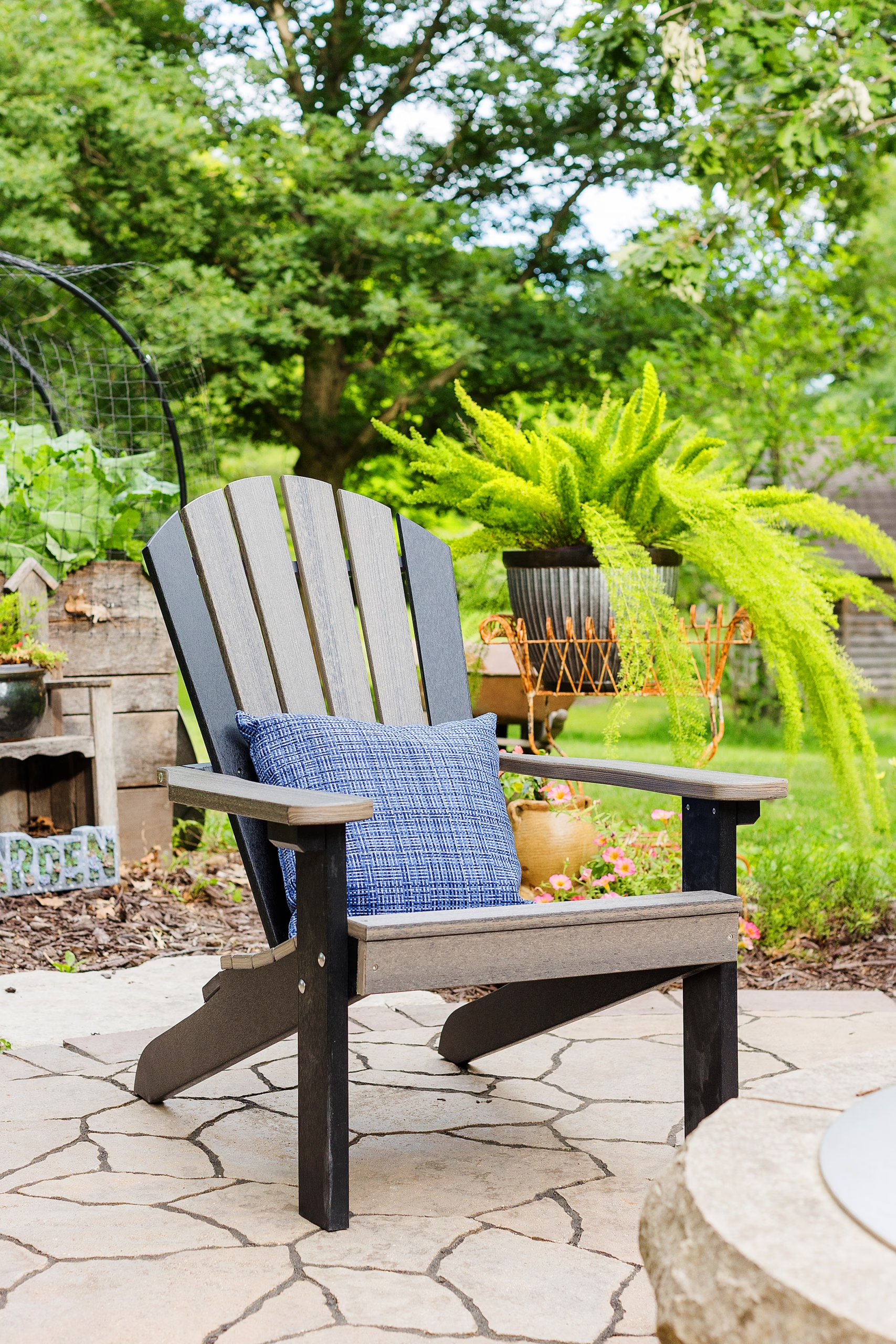
Outdoor furniture buyers used to pick between two bad options: a cheap set that fell apart in a few seasons, or a pricier one that still needed constant upkeep to survive outside. That trade-off is disappearing. Buyers are now prioritizing durability and craftsmanship over sticker price, and poly outdoor furniture, especially when it’s Amish-built, is at the center of that shift because it delivers on both without asking for a maintenance routine in return.
This piece walks through what actually makes poly furniture durable, how Amish craftsmanship factors into that durability, how poly stacks up against wood and metal, and what it takes to keep a piece looking good for decades rather than a couple of seasons.
What Actually Makes Poly Furniture Durable
Durability comes down to three things: the material itself, how it’s built, and how well it resists everyday wear. Poly furniture, made from high-density polyethylene (HDPE), holds up better than wood or metal on all three counts, which is why it typically costs less to own over time even when the upfront price is higher.
The material is the biggest factor. HDPE is a recycled plastic lumber that doesn’t absorb moisture, so it doesn’t warp, crack, or rot the way wood does after a few seasons outside. Color runs all the way through the board instead of sitting on the surface as paint or stain, which is also why poly resists fading and stays colorfast even after years of direct sun. Add UV stabilizers into the mix and you get furniture that holds its color and structural integrity through the kind of heat and cold cycles that gradually break wood down.
What Amish Craftsmanship Adds to the Equation
Material alone doesn’t make good furniture. Construction does. Amish craftsmen bring generations of woodworking joinery, tight frame assembly, and careful attention to proportion to poly lumber, the same skills long applied to wood furniture, but now paired with a material that won’t degrade the way wood does.
That combination matters because it’s not just about picking a durable material, it’s about making sure the construction holds up for as long as the material does. Amish shops apply consistent standards to material selection, joinery, and finish quality, so buyers aren’t just getting a good raw material, they’re getting furniture built to last as long as that material allows.
Poly vs. Wood vs. Metal: How They Actually Compare
Each material has real strengths and real weaknesses. Wood offers a natural look some buyers still prefer, but it needs regular staining or sealing and is vulnerable to warping, cracking, and insect damage over time. Metal can feel sturdy, but it’s prone to corrosion and can get uncomfortably hot to sit on in direct sun. Poly avoids both of those failure points, staying cooler to the touch and resisting weather-related wear without a maintenance schedule attached.
| Factor | Wood | Metal | Poly (HDPE) |
|---|---|---|---|
| Maintenance | Staining/sealing every 1-3 years | Rust prevention, repainting | Occasional soap and water |
| Weather resistance | Warps, cracks, rots without upkeep | Can corrode, retains heat | Resists moisture, UV, and temperature swings |
| Typical lifespan | 5-15 years with care | Moderate, depends on coating | 20-30+ years |
| Comfort in direct sun | Moderate | Can get hot to the touch | Stays cooler |
Keeping Poly Furniture Looking Its Best
Poly furniture doesn’t ask for much, but a little routine care goes a long way toward keeping it looking new. Clean it with mild soap and water, and use a soft-bristled brush for any stubborn spots, avoid anything abrasive that could scratch the surface. During severe weather, covering the furniture or moving it to a sheltered spot adds extra protection, and a periodic once-over to check for wear helps you catch small issues before they become bigger ones.
Choosing the Right Style for Your Space
Poly furniture comes in enough styles to fit almost any outdoor setup without giving up the durability that makes it worth buying in the first place.
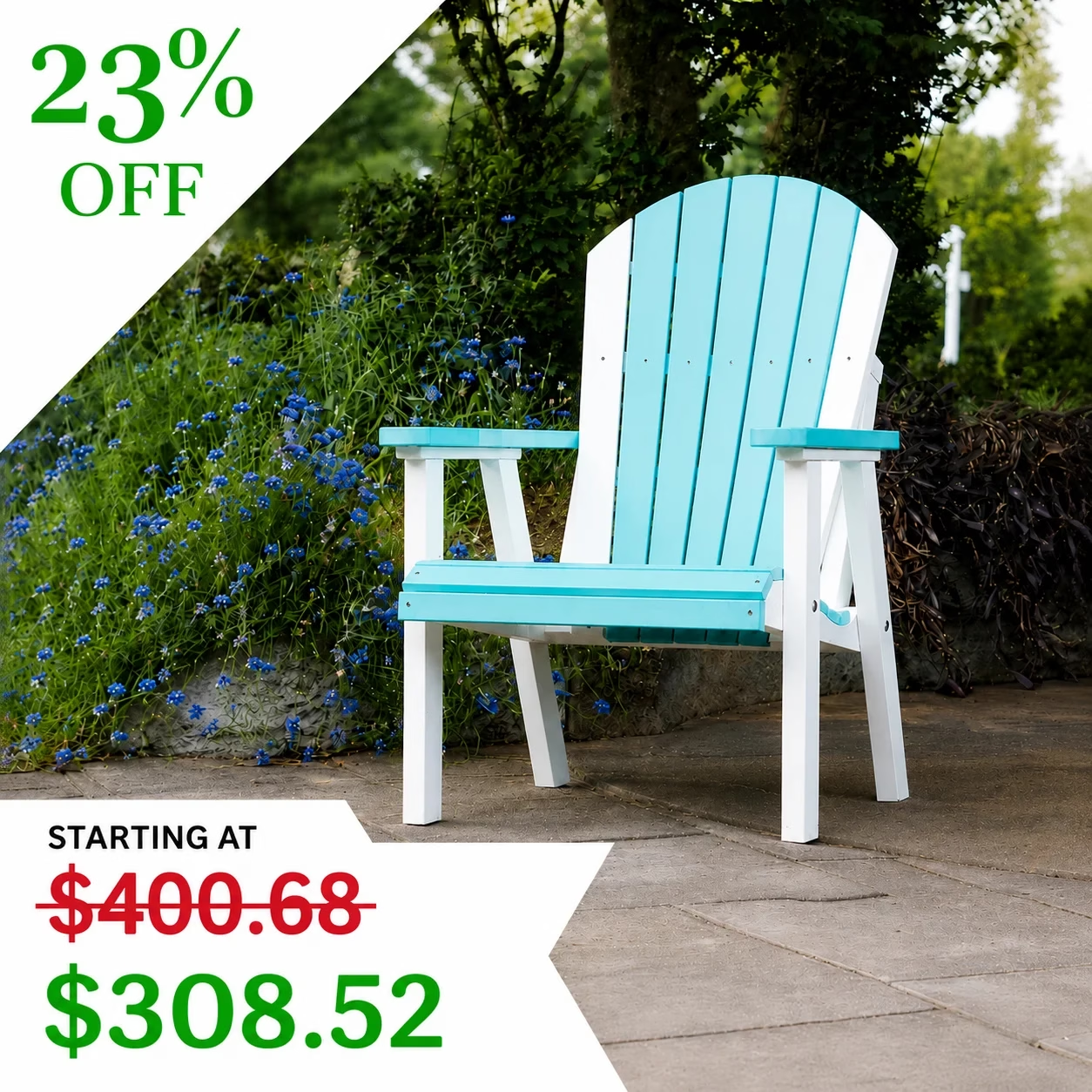
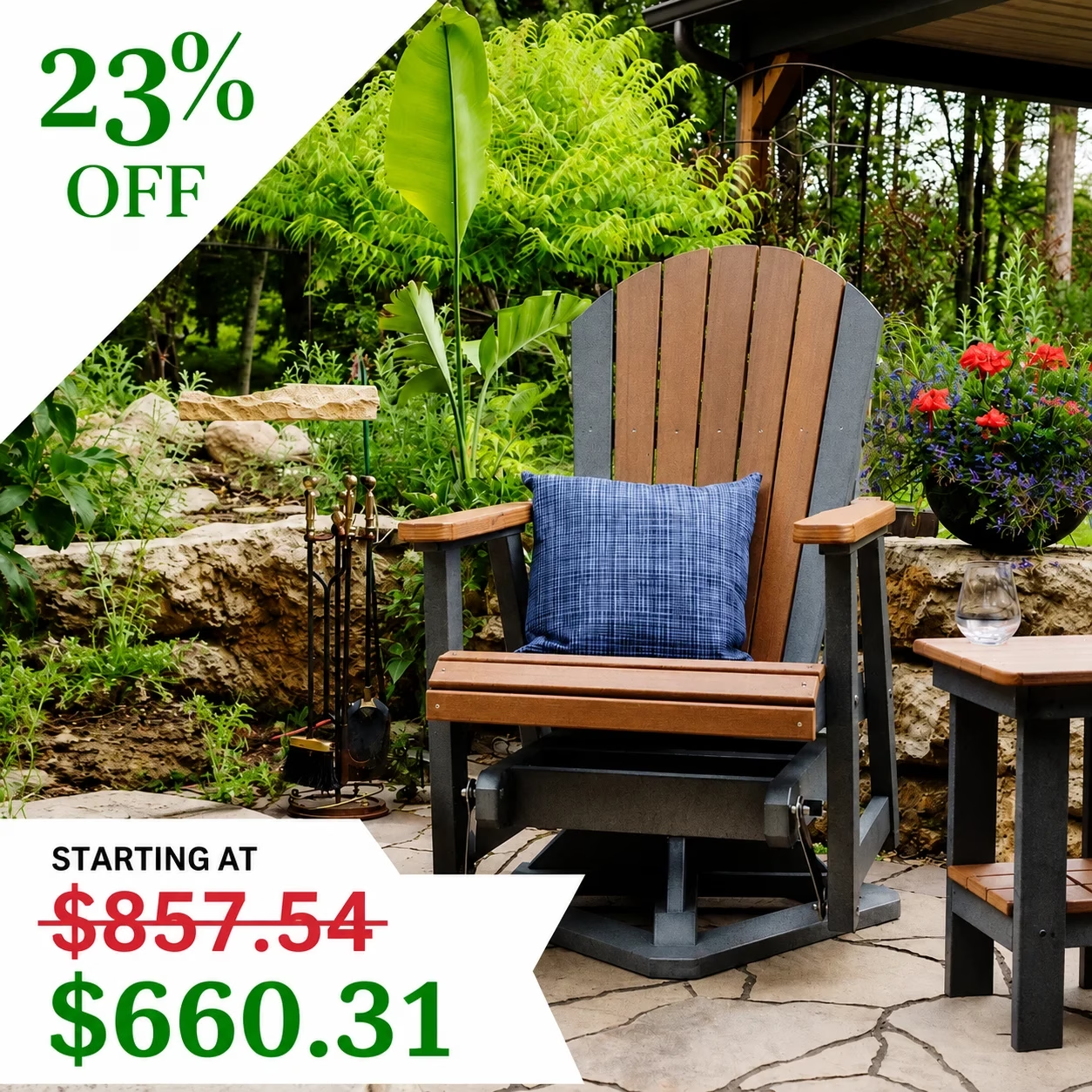
Poly Adirondack chairs pair a classic, comfortable profile with sturdy construction, and they hold their color and shape well after years of sun exposure. For something with a bit more motion, porch swings and gliders each bring their own kind of relaxed seating, while benches are the better call when you need multi-person seating without adding individual chairs. All of them lean on the same durable poly properties, so the choice comes down to how you actually want to use the space, not which material will hold up better. Explore the full range of porch swings to see how they fit into a larger outdoor setup.
Why Sustainability Is Part of the Value Equation
Sustainability has become a real factor in how people shop for outdoor furniture, not just a nice-to-have. HDPE lumber made from recycled plastics reduces demand for virgin timber and keeps material out of landfills, which is a measurable environmental advantage over materials that rely on newly harvested resources.
That sustainability story also reinforces buyer confidence. When a durable material is also a responsibly sourced one, it’s an easier purchase to feel good about, and it holds up under scrutiny in a way that vague “eco-friendly” marketing often doesn’t. For a deeper look at what that durability actually saves over the life of the furniture, see our breakdown of poly furniture vs. wood furniture.
Frequently Asked Questions
What makes poly outdoor furniture a sustainable choice?
Poly furniture is considered sustainable because HDPE frequently incorporates recycled plastics, which reduces waste and lessens demand for new raw material. Its longer lifespan also means fewer replacements over time, which lowers its overall environmental impact.
Are there specific colors or finishes available for poly furniture?
Yes. Poly outdoor furniture comes in a range of colors and finishes designed to resist fading and weathering, so buyers can match or coordinate with existing outdoor decor.
How does the cost of poly furniture compare to traditional outdoor furniture?
Poly furniture’s upfront price can be higher than wood or metal alternatives, but its low maintenance and longer service life typically make it less expensive to own over time.
Can poly outdoor furniture be recycled at the end of its life?
Yes. HDPE can generally be recycled, allowing the material to be reprocessed into new products rather than ending up in a landfill.
What types of warranties do poly furniture manufacturers typically offer?
Manufacturers commonly offer warranties covering issues like fading, cracking, and material defects. It’s worth reviewing the specific terms, coverage length, and any exclusions before buying.
How does the weight of poly furniture affect its stability?
Poly furniture tends to be heavier than comparable wood or metal pieces, which helps it stay put in windy conditions rather than tipping or shifting.
Conclusion
Choosing durable, Amish-built poly outdoor furniture is how buyers are avoiding the trade-off they used to be stuck with: a cheap set that wears out fast, or an expensive one that still demands constant upkeep. Poly furniture holds up to the elements, keeps its appearance for decades, and needs almost nothing from you to get there. If you’re comparing your options directly, our full poly furniture vs. wood furniture breakdown is a good next stop.
Why Schedule a Call?
Popular Insights
How To Choose Outdoor Dining Table Size
Sep. 02, 2026
5 Things to Look for When Buying Poly Outdoor Furniture
Sep. 02, 2026
How to Clean Poly Outdoor Furniture (Step-by-Step Guide)
Aug. 06, 2026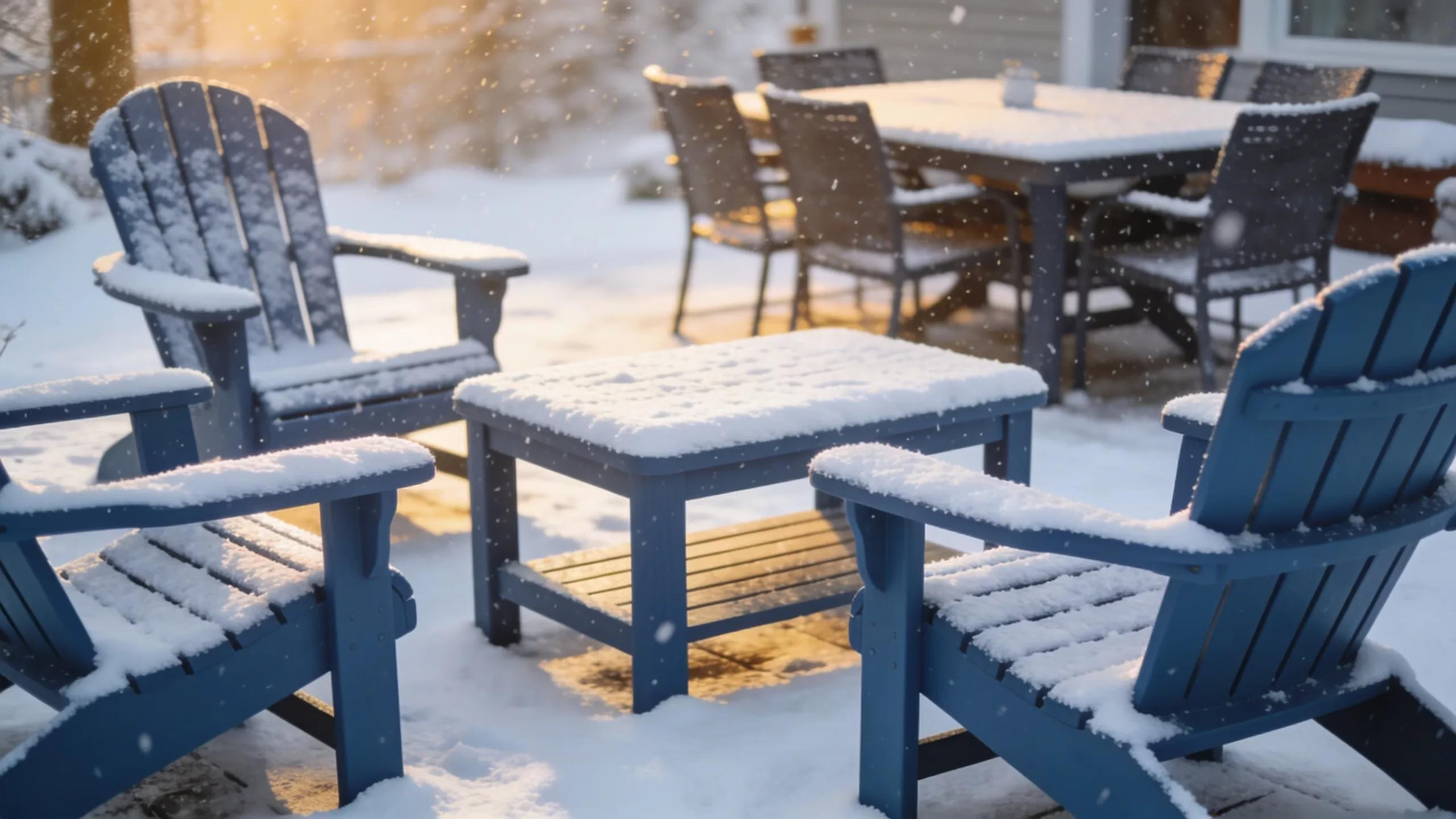
Poly Outdoor Furniture vs. Traditional Wood and Metal Alternatives
Aug. 04, 2026
10 Best Patio Furniture Ideas for Small Spaces
Aug. 01, 2026Our Categories