
Every fall, we watch the same ritual unfold across neighborhoods everywhere.
Homeowners drag heavy patio sets into garages. They wrestle with unwieldy umbrellas and stack chairs like they’re preparing for hibernation.
We just chuckle and think, “If only they knew about poly furniture before they bought.”
The annual furniture migration has become so normal that most people never question it. They accept that outdoor spaces must die every winter, that beautiful patios transform into barren concrete slabs for months.
But here’s what’s really happening during those long winter months.
The Predictable Damage Cycle
Wooden furniture suffers first. Snow and ice attack painted and stained surfaces with relentless efficiency.
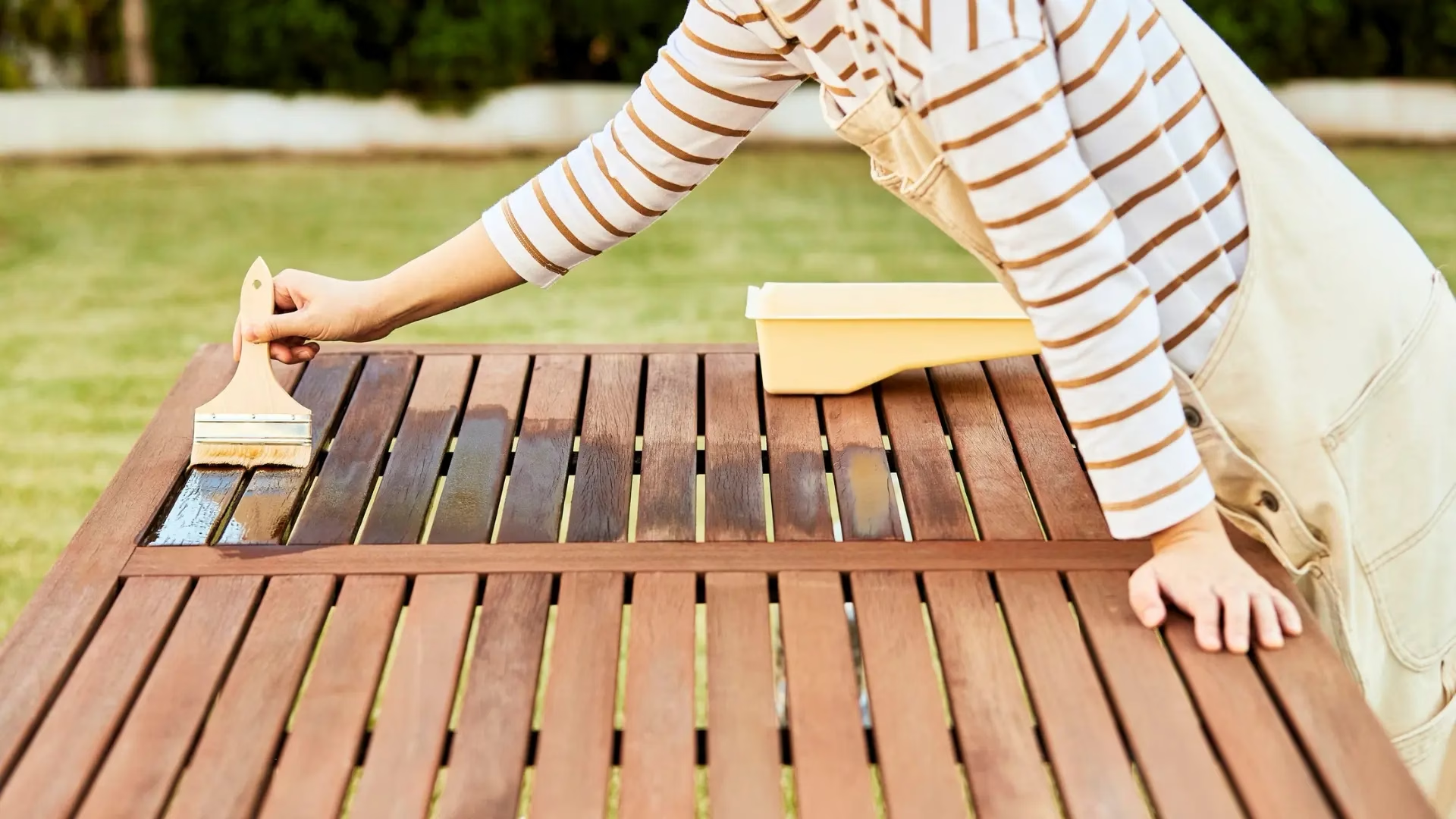
Extreme cold cracks finishes just like extreme heat. The freeze-thaw cycle splits wood and destroys protective coatings.
Wicker furniture absorbs moisture like a sponge. The more it stays wet, the more mold takes hold. What starts as dampness becomes a breeding ground for decay.
Metal furniture faces the cruelest fate. Winter salt from ice removal creates rust that spreads like cancer through joints and welds.
Americans spend over $44 billion annually replacing damaged outdoor products. Most people see this as inevitable.
We see it as completely avoidable.
The Temperature Truth Nobody Mentions
Everyone understands that metal in summer or winter is something you don’t want to touch.
Burning hot car handles in July. Freezing cold railings in January. The physics are identical.
Poly furniture doesn’t get as cold as metal. More importantly, it doesn’t get damaged by snow, ice, and extreme cold.
While metal furniture becomes unusable in temperature extremes, poly lumber maintains its integrity from -100°F to over 170°F without warping.
This means something revolutionary: you could actually sit outside in winter if you wanted to.
No shock of freezing metal. No dampness from wet wood. Just comfortable seating that works in every season.
The Hidden Economics of Cheap Choices
Poly furniture costs more upfront. That’s the reality most people focus on.
What they miss is the replacement mathematics.
Traditional outdoor furniture needs replacing every few years. 54% of damaged outdoor products get immediately replaced rather than repaired.
The storage ritual exists because people know their furniture won’t survive winter exposure. They’re protecting an investment they know is fragile.
We think about it differently. Why protect furniture when you could own furniture that protects itself?
The math becomes clear over time. Higher upfront cost, zero replacement cost, zero storage hassle.
The Environmental Reality
The cycle of cheap furniture creates mountains of waste.
Wooden sets that split and warp. Wicker pieces that mold and crumble. Metal furniture that rusts beyond repair.
All headed to landfills while new furniture gets manufactured to replace what winter destroyed.
Poly lumber furniture comes from recycled materials. Every piece contains roughly eight recycled milk jugs per pound.
Instead of contributing to the waste cycle, it helps solve it.
Breaking the Storage Ritual
Most people store their furniture because they assume outdoor spaces can’t function in winter.
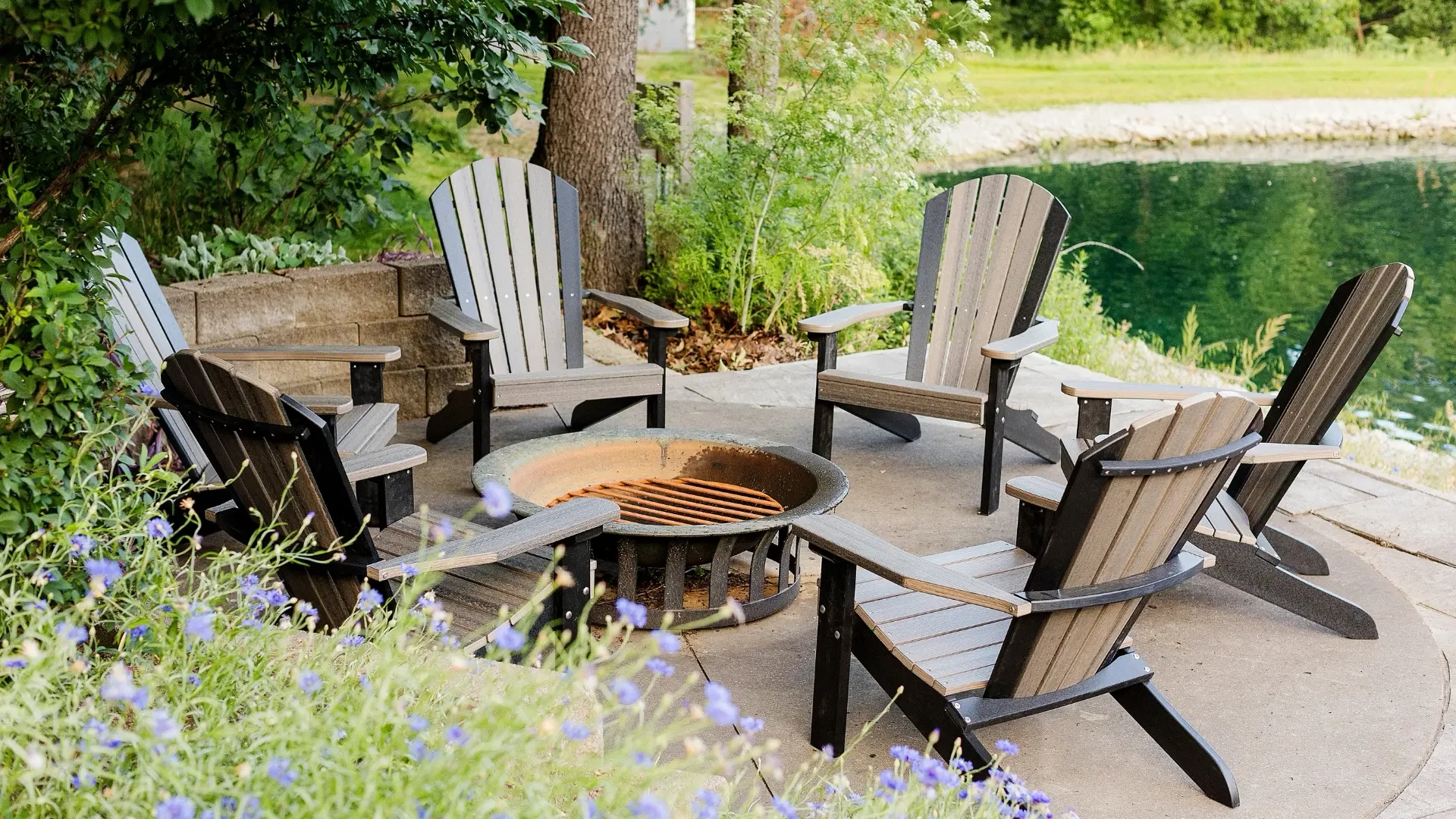
They’re partly right. If you have heat lamps or fire pits, you might want to extend your outdoor season.
With poly furniture, you can.
No worrying about damaged, ugly furniture when spring arrives. No annual migration ritual. No storage space sacrifice.
Just furniture that works in every season, whether you choose to use it or not.
We understand why people laugh when they first hear about furniture that stays outside all winter. It challenges everything they’ve accepted about outdoor living.
But once they understand the temperature physics, the damage science, and the replacement economics, the laughter stops.
They realize they’ve been solving the wrong problem.
Instead of protecting furniture from winter, they could own furniture that makes winter irrelevant.
That’s when the real transformation happens. Not just in their outdoor space, but in how they think about the choices they make.
Some decisions seem more expensive until you calculate the real cost of the alternative.
Related Posts
View All
Uncategorized
3min Read
Why Homeowners Are Choosing Low-Maintenance Outdoor Living Over Endless Upkeep
Something shifted in 2025. Homeowners stopped asking “How does it
Learn More
Uncategorized
3min Read
The Outdoor Living Investment Boom: What the Data Reveals About Home Value and Lifestyle Returns
Most homeowners think about outdoor furniture as a purchase. You
Learn More
Uncategorized
3min Read
Why Sustainable Materials Are Reshaping Outdoor Living and What It Means for Your Business
When you look at recycled poly lumber transforming the outdoor
Learn More