
Walk into any home, and you know instantly whether the owner gets it or lives in the past.
The telltale signs are everywhere. Bright, well-used furniture that screams old school. Rounded, poofy designs that prioritize comfort over style. Colors that worked in 2015 but feel dated today.
I realized something fundamental about furniture recently. In 2025, furniture functions like art in your room.
This changes everything about how we think about our homes.
The Art Revolution in Your Living Room
When you have a bigger budget and you’re settling into a permanent home, furniture selection becomes about what looks best and feels comfortable. The cheap-and-functional mindset gives way to something more intentional.
The furniture market will hit $729.73 billion in 2025. That massive number reflects how seriously people take their home environments now.
Modern furniture follows specific visual rules. Grey or white pieces dominate restaurants and commercial spaces for good reason. Dark colors create sleek appeal. Sharp edges and flatter profiles signal contemporary thinking.
These aren’t arbitrary preferences. They reflect deeper shifts in how we want to live.
Trend 1: Sculptural Statement Pieces Replace Traditional Seating
Almost half of designers chose curvy and irregular shapes as the top trend for 2025. Biomorphic modernism makes furniture feel like functional sculpture.
Your guests notice these pieces immediately. They spark conversation because they challenge expectations about what furniture should look like.
Think chairs that look like they belong in a museum but remain perfectly comfortable for daily use.
Trend 2: The Outdoor Living Battle Intensifies
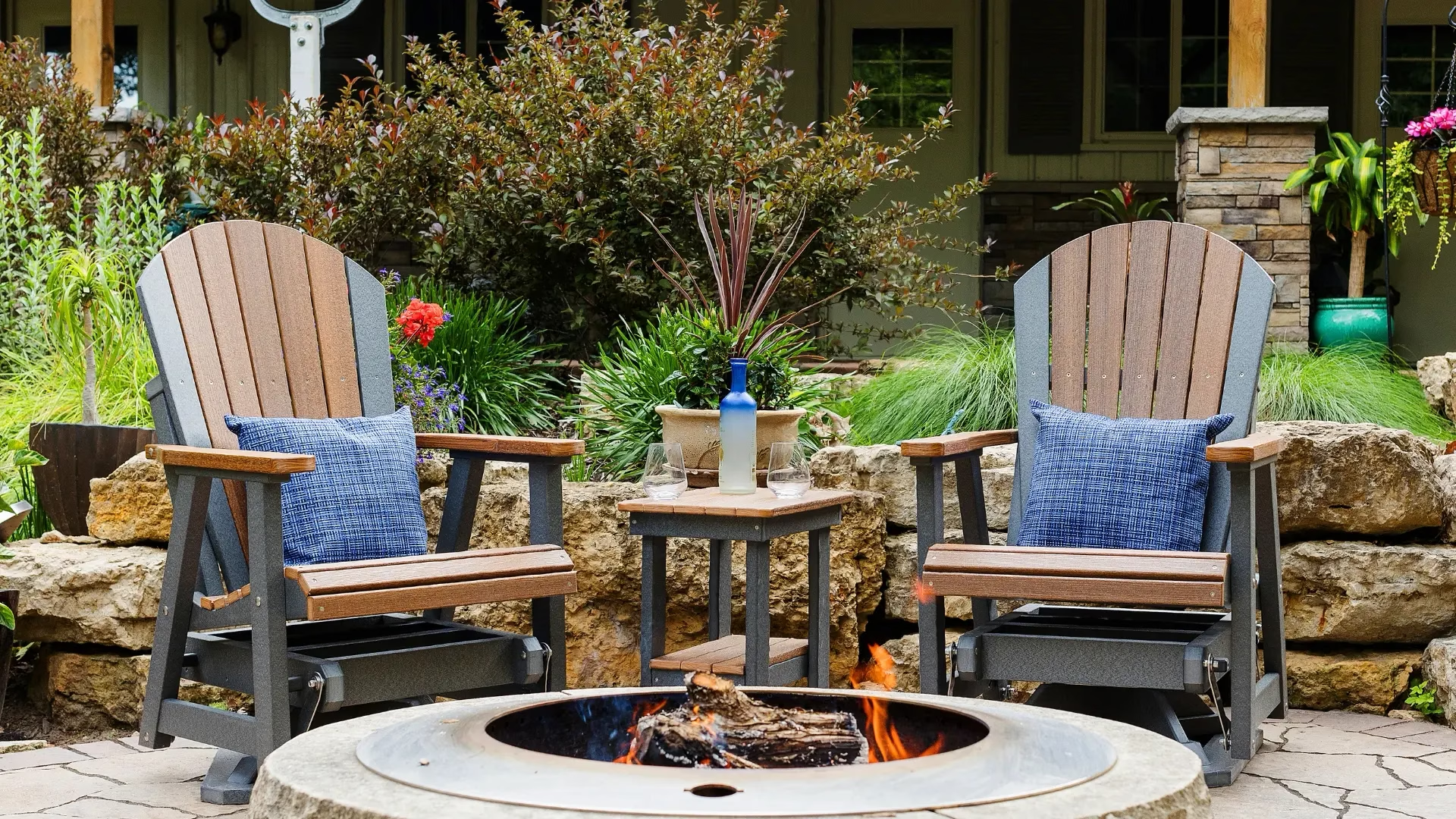
Modern furniture extends beyond interior spaces. The outdoor furniture battle rages as homeowners ask the same question: what delivers both comfort and style?
COVID changed how we value outdoor freedom. People stopped taking patios and outdoor spaces for granted. Being trapped inside all day got old fast.
The swing toward developing nice outdoor spaces for hosting and family moments created massive opportunities. Homeowners want outdoor furniture that matches their interior design standards.
Trend 3: Poly Materials Dominate the Modern Aesthetic
Common myths about outdoor furniture persist. People worry about rust, splintering, and rot without realizing these problems only affect traditional materials.
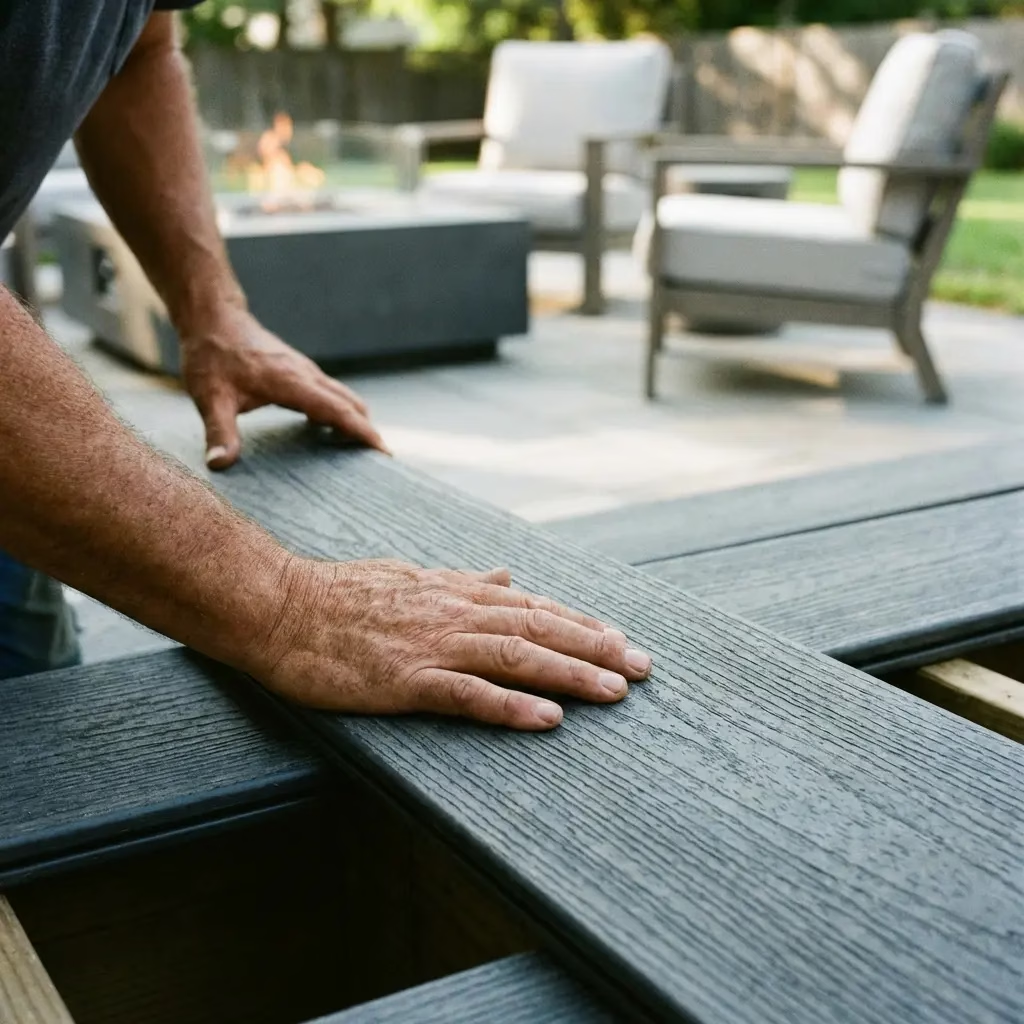
Poly furniture eliminates these concerns while looking more modern than wood or metal alternatives. It doesn’t look exactly like wood, but the similarity works well, especially from a distance.
Most people prefer the synthetic look once they see it in person. The material doesn’t weather or fade like traditional options.
When you’re entertaining guests outdoors, you stop worrying about whether your furniture needs repainting or looks faded. This confidence changes how you use your space.
Trend 4: Monochromatic Schemes Give Way to Bold Contrasts
The all-neutral approach is ending. Bold combinations and contrasting schemes take center stage in 2025.
Dark and earthy tones embrace warmth and history. Vibrant shades like luminous green, purple, burgundy, and bright orange create striking contrasts with neutral bases.
Your guests remember homes that take color risks. Safe choices fade from memory.
Trend 5: Multi-Functional Design Becomes Non-Negotiable
Furniture must work harder in 2025. Single-purpose pieces feel wasteful when space comes at a premium.
Storage ottomans, expandable dining tables, and modular seating systems solve multiple problems while maintaining visual appeal.
Smart homeowners choose pieces that adapt to different entertaining scenarios without compromising style.
Trend 6: Comfort Without Cushions Redefines Outdoor Relaxation
Poly furniture delivers comfort without requiring cushions. Add cushions and the comfort level increases dramatically.
This flexibility matters when hosting outdoor events. You can quickly adjust comfort levels based on the occasion and weather conditions.
Guests appreciate furniture that works well in multiple configurations without looking incomplete.
Trend 7: Anti-Fast Furniture Movement Drives Premium Choices
Designers are rejecting cheaply made fast furniture in favor of timeless, well-made pieces. The throwaway furniture culture is ending.
Quality furniture becomes an investment in your home’s long-term appeal. Guests recognize the difference between temporary solutions and permanent statements.
Choose pieces that will still impress visitors five years from now.
Making These Trends Work in Your Home
The furniture material doesn’t affect your activities, but it absolutely affects comfort levels and maintenance requirements.
Start with one statement piece that embodies the furniture-as-art concept. Build around it with complementary pieces that support both function and visual impact.
Focus on outdoor spaces where you can implement multiple trends simultaneously. The outdoor living revolution offers the biggest opportunity to impress guests while creating meaningful family moments.
Early adopters of these design directions enjoy both aesthetic and practical benefits. Your home becomes a conversation starter while delivering the comfort and functionality modern living demands.
The future of furniture is already here. The question is whether you’ll embrace it or watch from the sidelines.
Related Posts
View All
Uncategorized
3min Read
Why Homeowners Are Choosing Low-Maintenance Outdoor Living Over Endless Upkeep
Something shifted in 2025. Homeowners stopped asking “How does it
Learn More
Uncategorized
3min Read
The Outdoor Living Investment Boom: What the Data Reveals About Home Value and Lifestyle Returns
Most homeowners think about outdoor furniture as a purchase. You
Learn More
Uncategorized
3min Read
Why Sustainable Materials Are Reshaping Outdoor Living and What It Means for Your Business
When you look at recycled poly lumber transforming the outdoor
Learn More