0
Uncategorized
Poly Outdoor Furniture vs. Aluminum: Worth the Investment in 2026?
By Scott
November 6, 2026
Share:
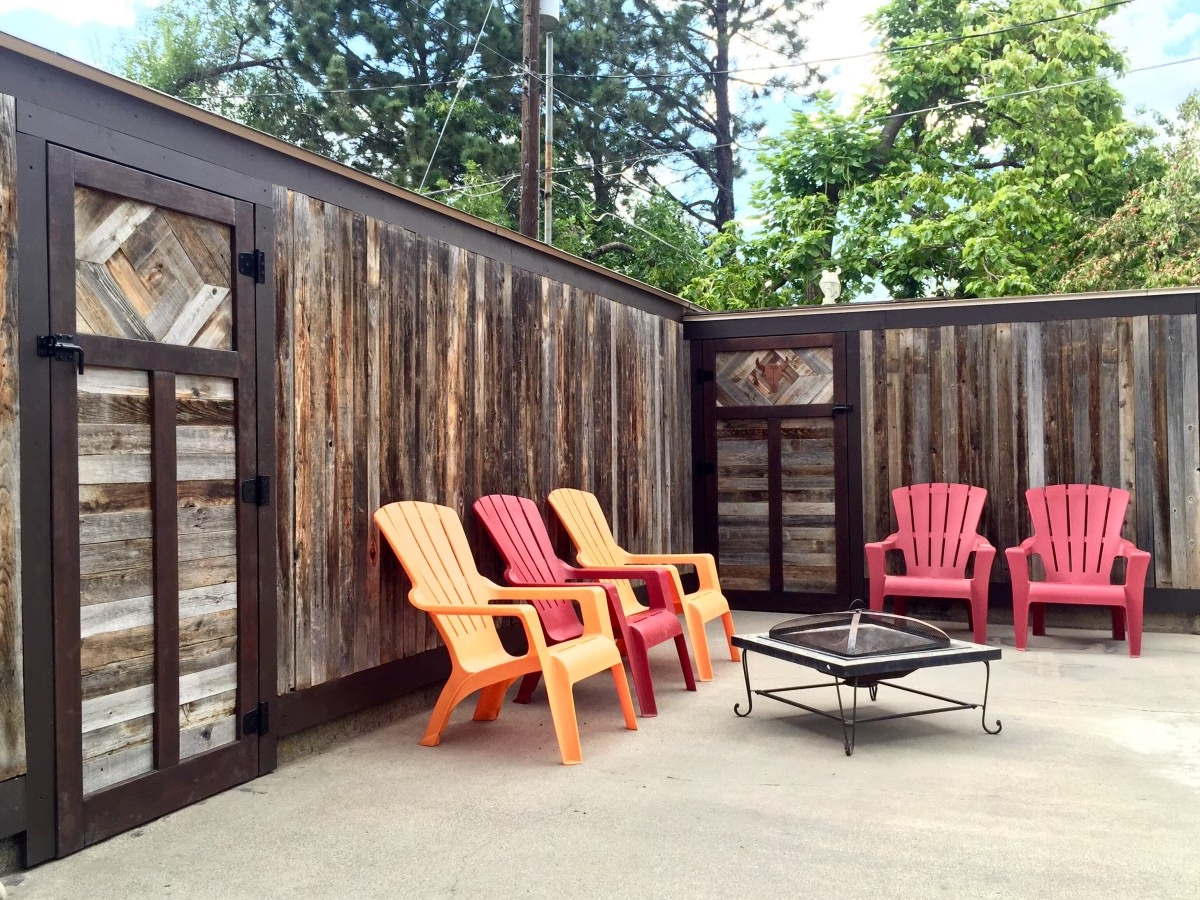
Once you rule out traditional wood, most patio shoppers narrow their search to two materials: poly lumber and aluminum. Both promise to skip the yearly staining and rust-proofing that wood and iron require, and both show up constantly in 2026 patio buying guides. But they get there in very different ways, and the right one for your money depends on what you actually need from your outdoor furniture.
For most homeowners planning to keep their furniture in place for a decade or more, poly outdoor furniture is the stronger long-term investment, since it needs zero maintenance, will not dent or corrode, and typically comes with a lifetime or multi-decade warranty that aluminum sets rarely match. Aluminum wins on weight and portability, and its modern look suits certain patios better than poly’s classic styling. Which one is actually worth your money comes down to how long you plan to own it and how you plan to use it.
Both materials get compared constantly in 2026 because they represent the two most common “low-maintenance” answers to the same underlying problem: nobody wants to spend a weekend every spring sanding, staining, or repainting patio furniture the way earlier generations did with wood or wrought iron. Where they differ is in how completely each one actually solves that problem, and that difference is really the whole comparison.
Quick Verdict
If you want furniture you set up once and never think about again for 20-plus years, poly outdoor furniture is the better investment. If you want lightweight pieces you can rearrange easily, store for winter, or move around a small patio often, aluminum has a real edge. Most homeowners furnishing a permanent outdoor living space land on poly. Most homeowners furnishing a small balcony, a rental property, or a space that gets rearranged seasonally tend to prefer aluminum.
Maintenance
Poly outdoor furniture asks almost nothing of you. Because the color runs through the entire piece rather than sitting on top as a coating, there is nothing to chip, peel, or touch up. A wipe with soap and water is the extent of the upkeep, year after year.
Aluminum furniture is low-maintenance compared to wood or iron, but it is not zero-maintenance. Most aluminum patio furniture relies on a powder coating to prevent corrosion, and that coating can chip from impacts, dragging across concrete, or years of sun exposure. Once the coating is compromised, the exposed aluminum underneath can begin to pit or corrode, especially in humid climates or near bodies of water. Keeping aluminum furniture looking new over the long run usually means periodic touch-up coating or careful handling to avoid scratches in the first place.
Over a ten or fifteen year span, that difference adds up. Poly furniture typically gets one task: an occasional rinse. Aluminum furniture typically gets a small but recurring list: checking the coating each season, touching up any chips before they spread, and being more careful about where and how it gets moved or stacked for storage.
Lifespan and Durability
Poly lumber is built for the long haul. It does not rot, crack, splinter, or absorb moisture, and it holds up the same in a Midwest winter as it does in a humid summer. A quality poly piece is realistically a 25-plus year purchase, which is part of why it commonly comes with a lifetime warranty.
Aluminum furniture’s lifespan depends heavily on construction quality. Thin, budget tubular aluminum frames can loosen at the joints or bend under enough weight or wind over time, while heavier cast aluminum construction holds up much better but costs significantly more to start. Even well-built aluminum pieces are more vulnerable than poly to long-term corrosion once the protective coating is compromised, which is the failure point that eventually limits most aluminum furniture’s usable life.
This is also where warranty terms tell you something useful. A material the manufacturer is confident will not fail tends to carry a longer warranty. Poly furniture warranties commonly run for the life of the product, since there is no coating to fail and no rust process to guard against. Aluminum furniture warranties are typically shorter and often carry separate, more limited coverage for the finish specifically, which is a quiet acknowledgment that the coating, not the aluminum itself, is the part most likely to need attention over time.
Cost Over Time
On a pure sticker-price basis, budget aluminum furniture can undercut poly lumber, especially for basic tubular-frame sets. But sticker price only tells part of the story. Cheaper aluminum sets often need cushions to be comfortable at all, and cushions bring their own ongoing cost: replacement every few seasons, storage during bad weather, and cleaning to prevent mildew. Poly furniture typically does not require cushions for basic seating comfort, which removes an entire recurring cost from the equation.
Higher-end cast aluminum sets close the price gap with poly furniture significantly, and at that price point the comparison becomes more about aesthetic preference than value, since both are durable, well-built options. It is mainly at the budget end of aluminum furniture where the long-term cost picture shifts in poly’s favor once cushions, coating touch-ups, and earlier replacement are factored in.
Think of it as two different cost curves rather than a single price tag. Aluminum’s cost curve often starts lower and adds small recurring expenses over time: cushions, occasional touch-up coating, and a real chance of replacement within a decade for budget pieces. Poly’s cost curve is closer to a flat line: a single upfront cost with essentially nothing added afterward for as long as you own it.
Weather and Climate Performance
Poly furniture performs consistently across seasons. It will not rust, will not absorb water and freeze-crack the way porous materials can, and does not need to be covered or brought inside for winter. For Midwest homeowners dealing with genuine freeze-thaw cycles, this is one of the more meaningful differences between the two materials.
Aluminum handles moisture better than wood or steel, since it does not rust the way iron-based metals do, but it is not entirely immune to weather-related wear. Powder-coated finishes can become brittle and crack in extreme temperature swings, and the exposed aluminum underneath a damaged coating is vulnerable to corrosion, particularly in coastal or high-humidity environments where salt air accelerates the process. Aluminum also heats up quickly in direct sun, which can make an uncovered dark aluminum chair uncomfortably hot to sit in on a summer afternoon, more so than a poly piece in a comparable color.
Weight and Portability
This is where aluminum genuinely wins. Aluminum furniture is light enough to rearrange by hand, carry in for winter storage, or move around a small patio without much effort. That matters for renters, small-space homeowners, or anyone who likes to reconfigure their outdoor layout throughout the season.
Poly lumber’s weight is part of what makes it stable in wind and resistant to tipping, but it also means poly furniture is not something you casually pick up and move across the yard. For most permanent outdoor setups this is a non-issue, but it is a real consideration if portability matters to how you use your space.
Comparison Table
| Category | Poly Outdoor Furniture | Aluminum |
|---|---|---|
| Maintenance | None, soap and water only | Low, but coating needs occasional care |
| Typical lifespan | 25+ years | Varies widely by construction quality |
| Rust/corrosion risk | None | Low if coated, rises once coating is damaged |
| Weight | Heavy, stable in wind | Light, easy to move |
| Cushions needed | Usually not | Often, for comfort |
| Best climate fit | All climates, including freeze-thaw | Good in most climates, weaker near saltwater |
| Typical warranty | Lifetime (common) | Varies, often shorter |
Who Should Choose Which
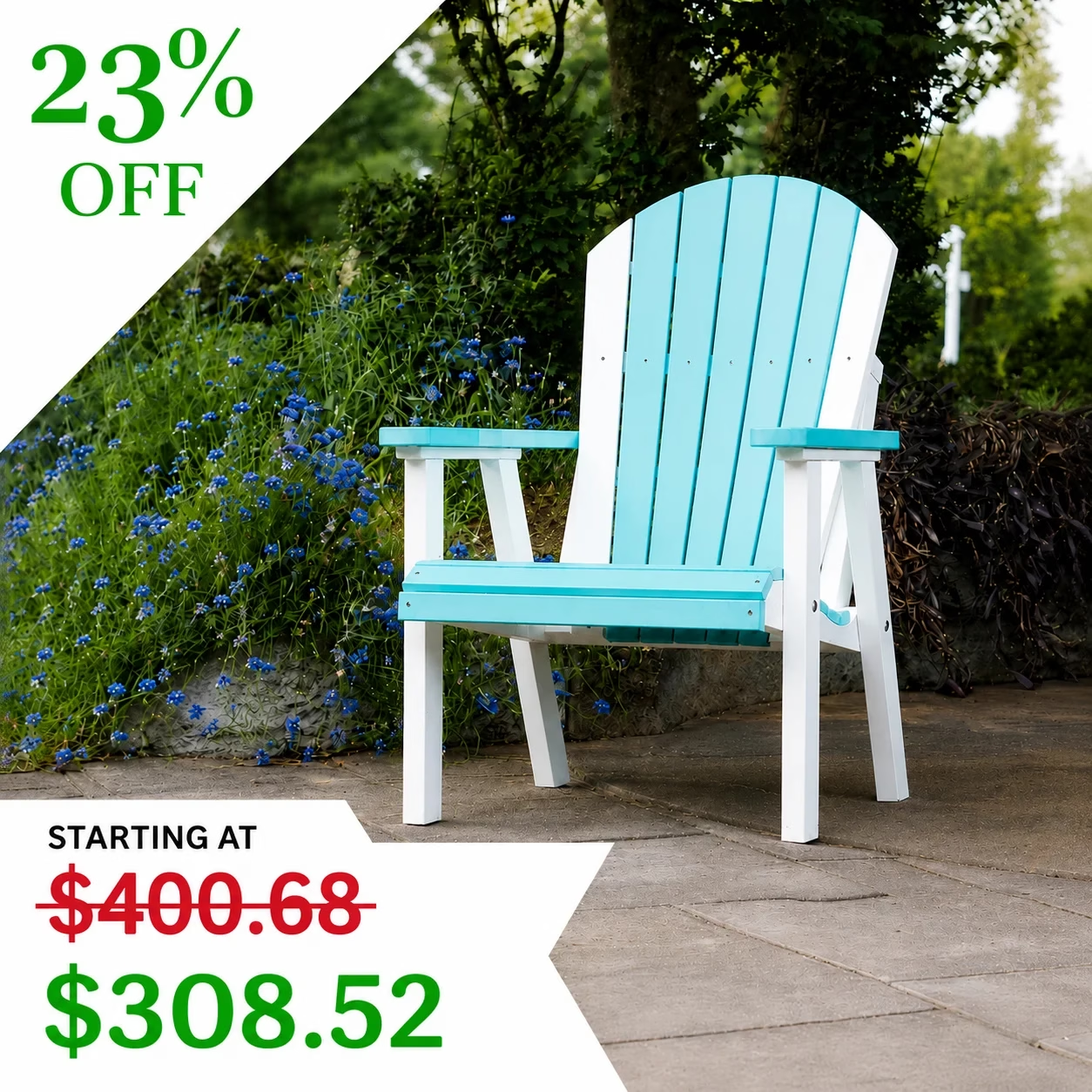
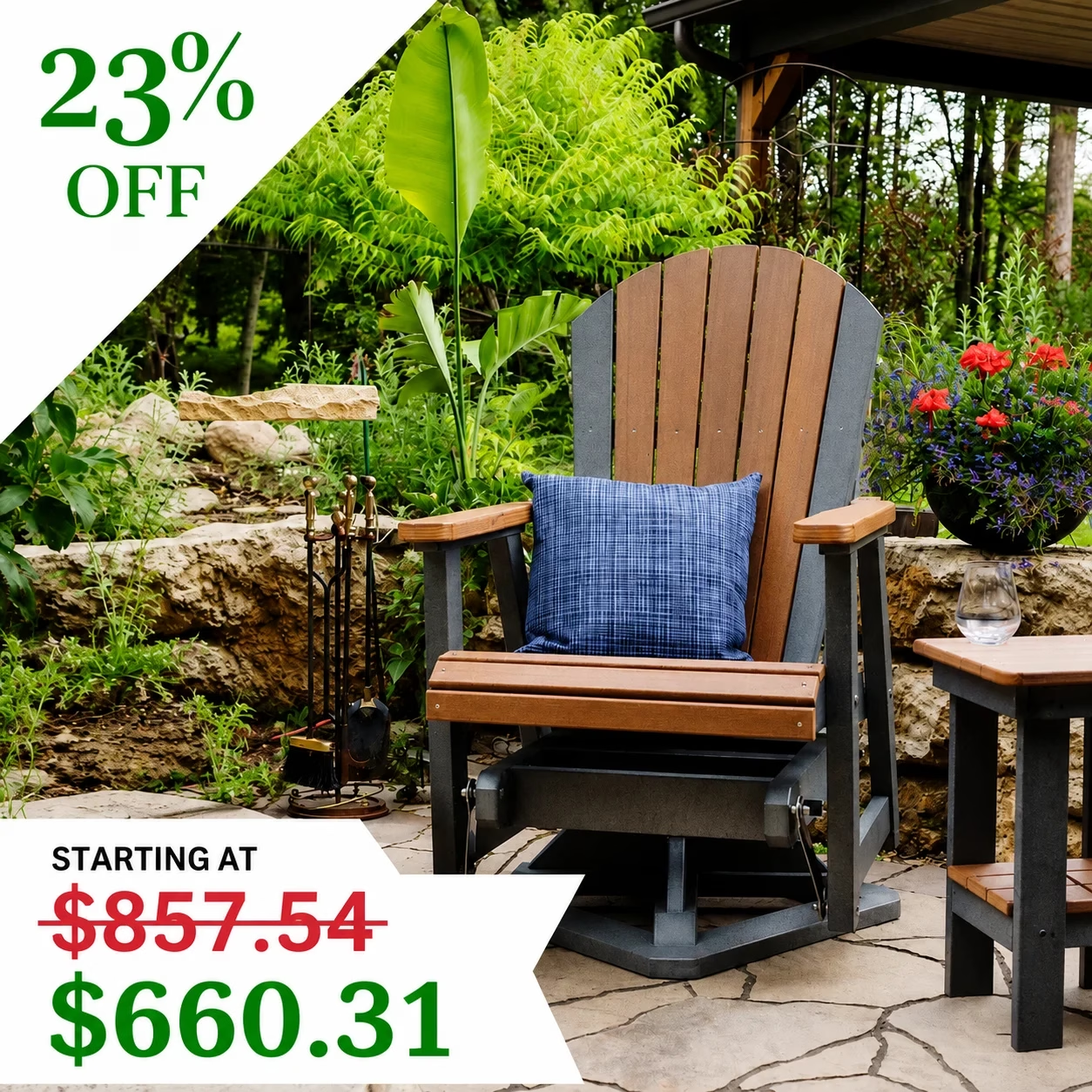
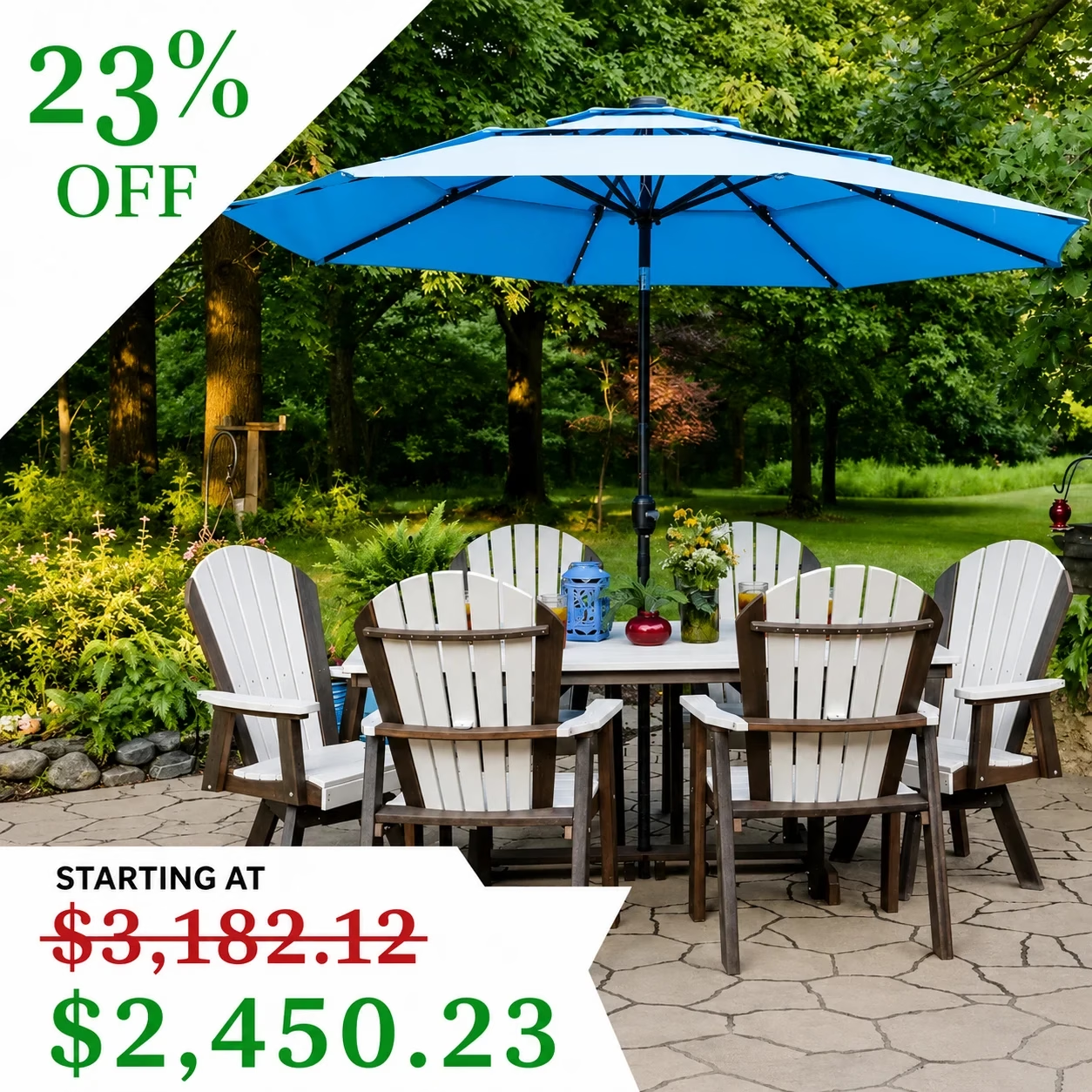
Poly outdoor furniture makes the most sense if you are furnishing a permanent patio, deck, or lake house you plan to use for many years, want to skip cushions and seasonal upkeep entirely, or live somewhere with real winters and want one less thing to winterize. It is also the stronger choice for anyone who has already dealt with rusted or rotted furniture before and wants to avoid a repeat. This holds whether you are shopping for a couple of Adirondack chairs, a full dining set, a bench , or a porch swing , since the same maintenance-free advantage applies across every category.
Aluminum makes more sense if you are furnishing a rental property, a small balcony or patio where furniture gets rearranged often, or you specifically want the modern, sleek look that aluminum frames offer and are comfortable with the coating maintenance that comes with it over time.
Final Verdict
For most homeowners planning to keep their outdoor furniture in place for a decade or longer, poly outdoor furniture is the better investment. The upfront cost is comparable to mid-range aluminum, the maintenance is genuinely zero rather than just low, and the material does not have a failure point the way aluminum’s coating eventually does. Aluminum remains the right call for lighter, more portable, or more design-driven needs, but for long-term value, poly is difficult to beat.
If you are still weighing your options against other outdoor furniture brands rather than just materials, our comparison of TimbercraftPoly against DuraWeather (once published) breaks down how poly furniture stacks up brand to brand, and if you are furnishing a second home rather than your primary patio, our guide to the best poly furniture sets for lake houses and vacation homes (once published) covers how material choice changes for a property you are not at every day.
Does aluminum outdoor furniture rust?
Not in the way iron or steel does. Aluminum forms a natural oxide layer that resists true rust, and most outdoor aluminum furniture is also powder-coated for extra protection. The real risk is pitting corrosion once that coating chips or wears through, especially in humid or coastal environments, so aluminum is rust-resistant rather than rust-proof.
Is poly outdoor furniture more expensive than aluminum?
It depends on the aluminum. Poly furniture is usually priced above budget tubular aluminum sets but is comparable to or cheaper than heavier cast aluminum construction. Once you factor in cushions, coating touch-ups, and earlier replacement for budget aluminum pieces, poly furniture’s total cost over 10 to 15 years is often lower even when the sticker price looks similar or higher upfront.
Which material handles cold winters better, poly or aluminum?
Poly lumber has an edge here. It does not absorb moisture the way porous materials can, so there is no freeze-crack risk, and it needs no winterizing at all. Aluminum handles cold reasonably well too, but repeated freeze-thaw cycles can be harder on a powder coating over many years, which is the part of aluminum furniture most likely to show wear first.
Can aluminum furniture be repainted if the coating chips?
Yes, small chips can usually be touched up with a matching exterior-grade paint or a specialty aluminum touch-up kit, and larger areas of wear can sometimes be professionally re-coated. This is realistic routine maintenance for aluminum owners willing to do it, but it is still upkeep that poly furniture simply does not require.
Why Schedule a Call?
Popular Insights
2027 Outdoor Furniture Trends | Colors, Materials & Designs
Nov. 14, 2026
How to Prepare Your Outdoor Furniture for Winter
Nov. 07, 2026
Best Poly Outdoor Furniture Sets for Lake Houses and Vacation Homes
Nov. 01, 2026
Amish Poly Furniture vs. Factory-Made Outdoor Furniture
Oct. 02, 2026
Poly Furniture Colors: How to Choose Your Perfect Palette
Oct. 01, 2026Our Categories